Product Description
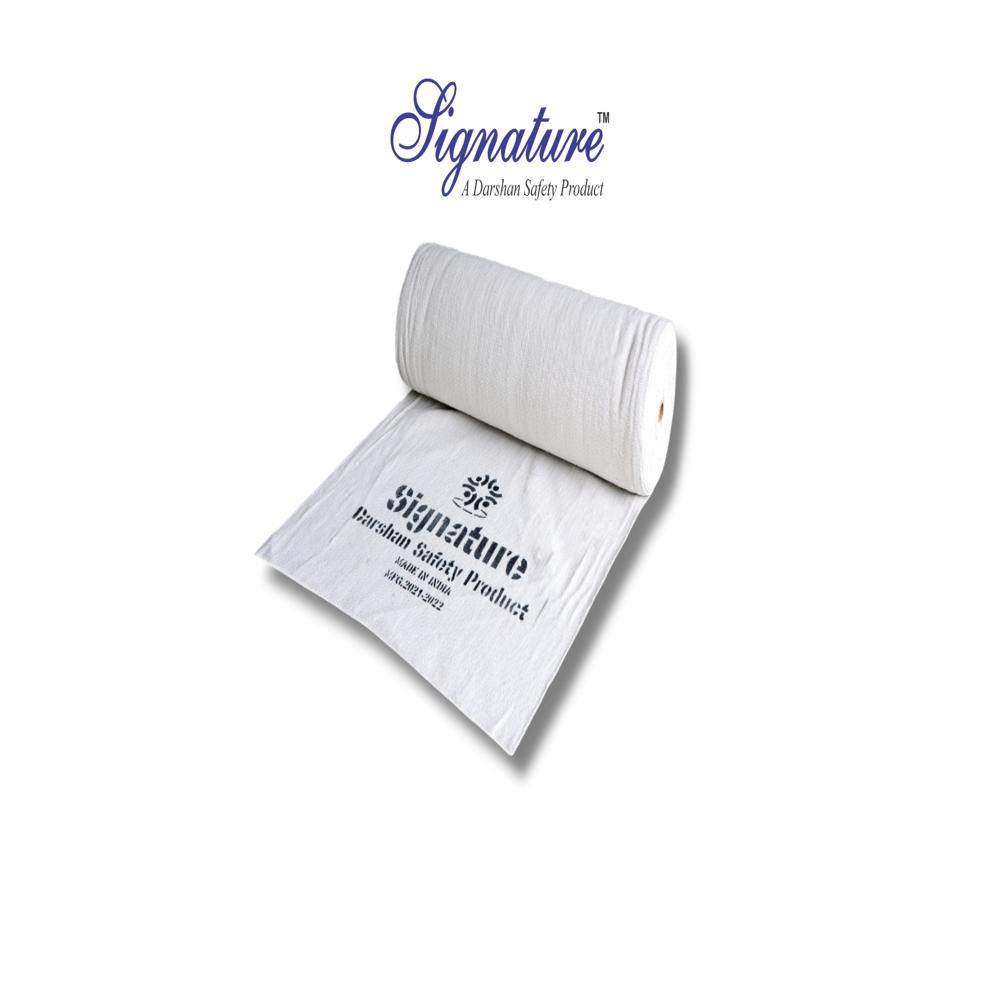
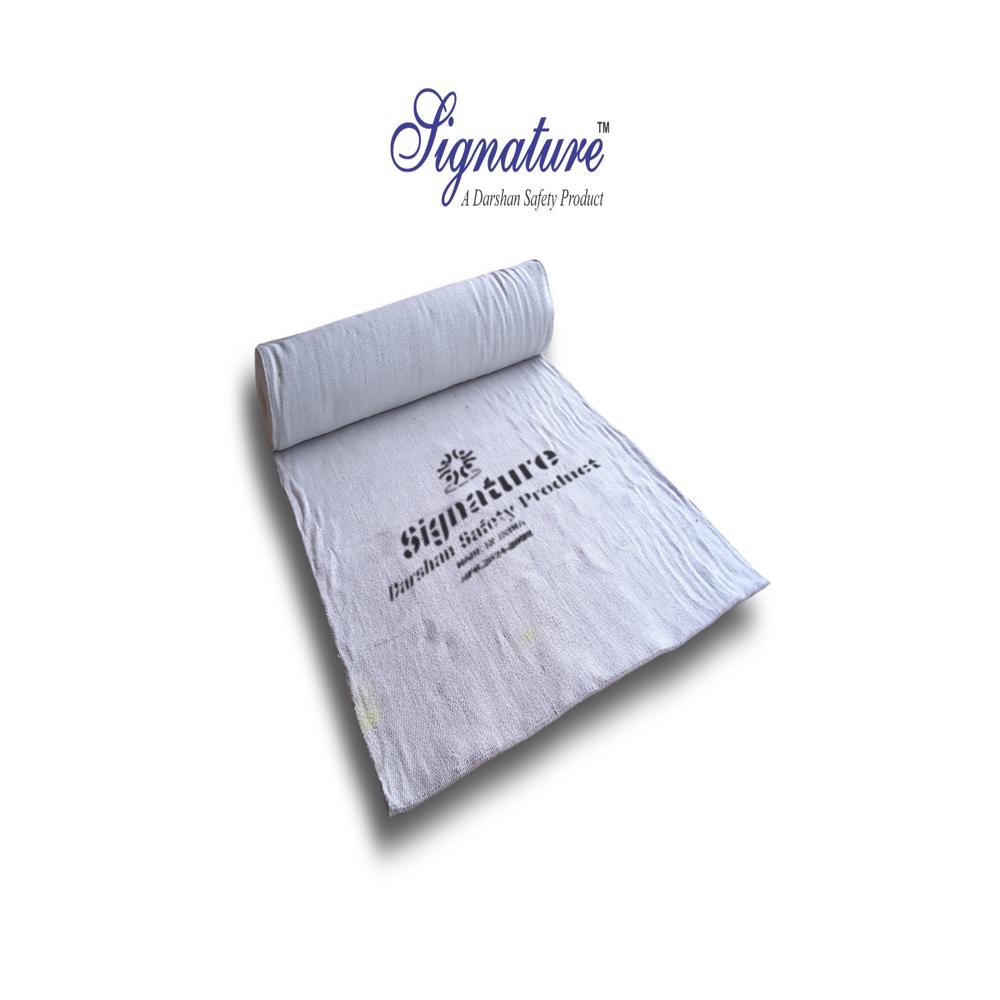
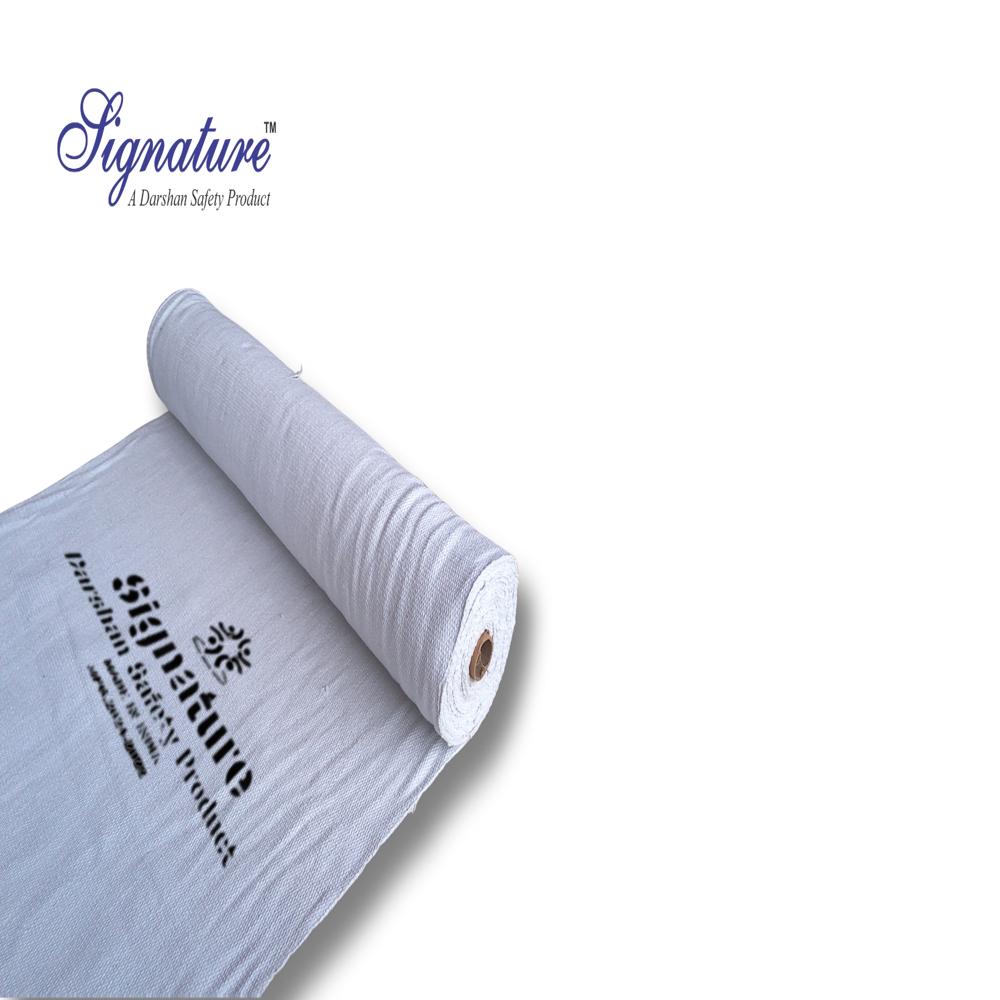
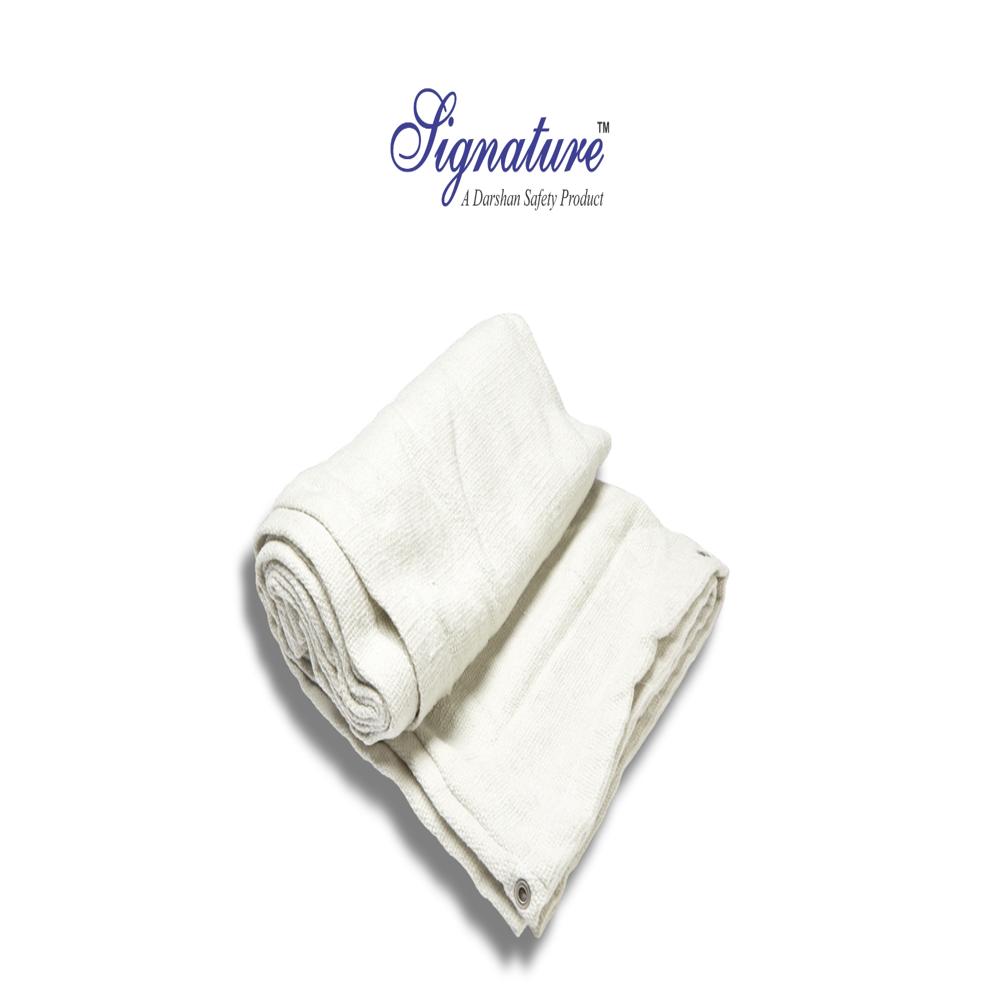
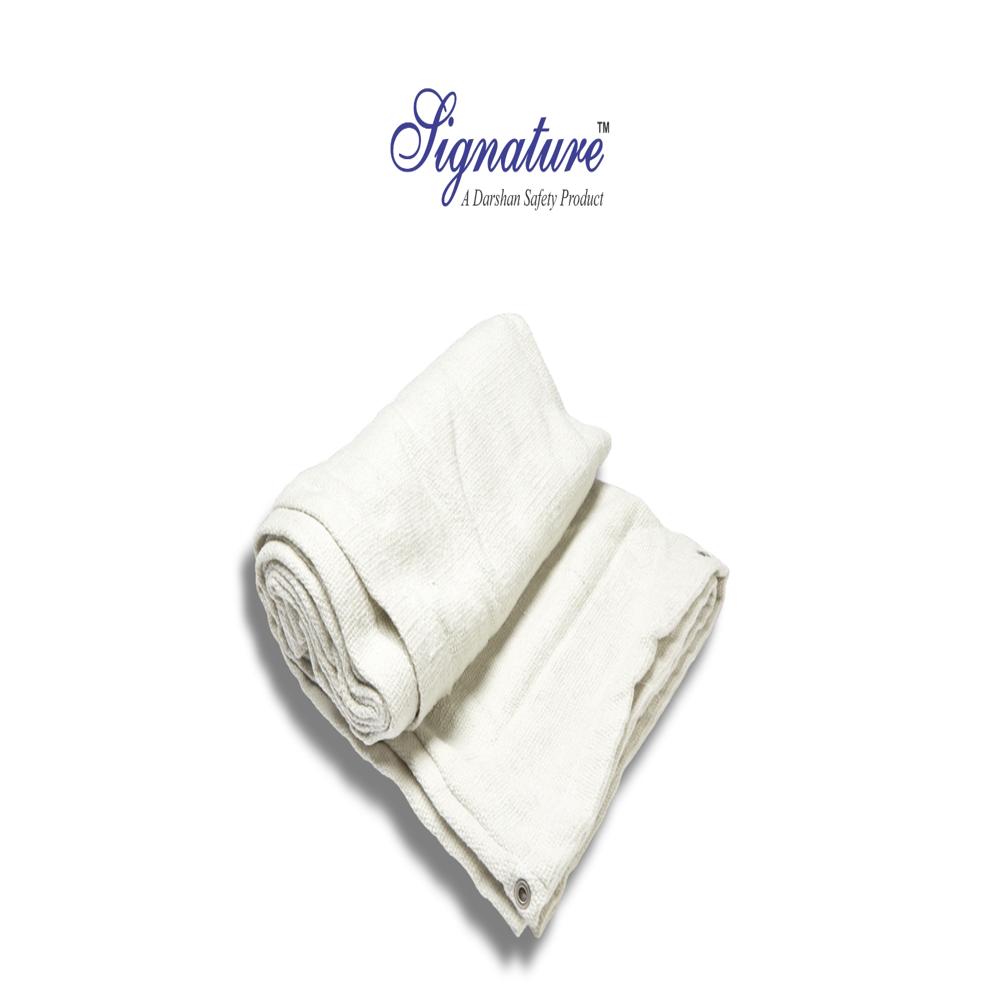
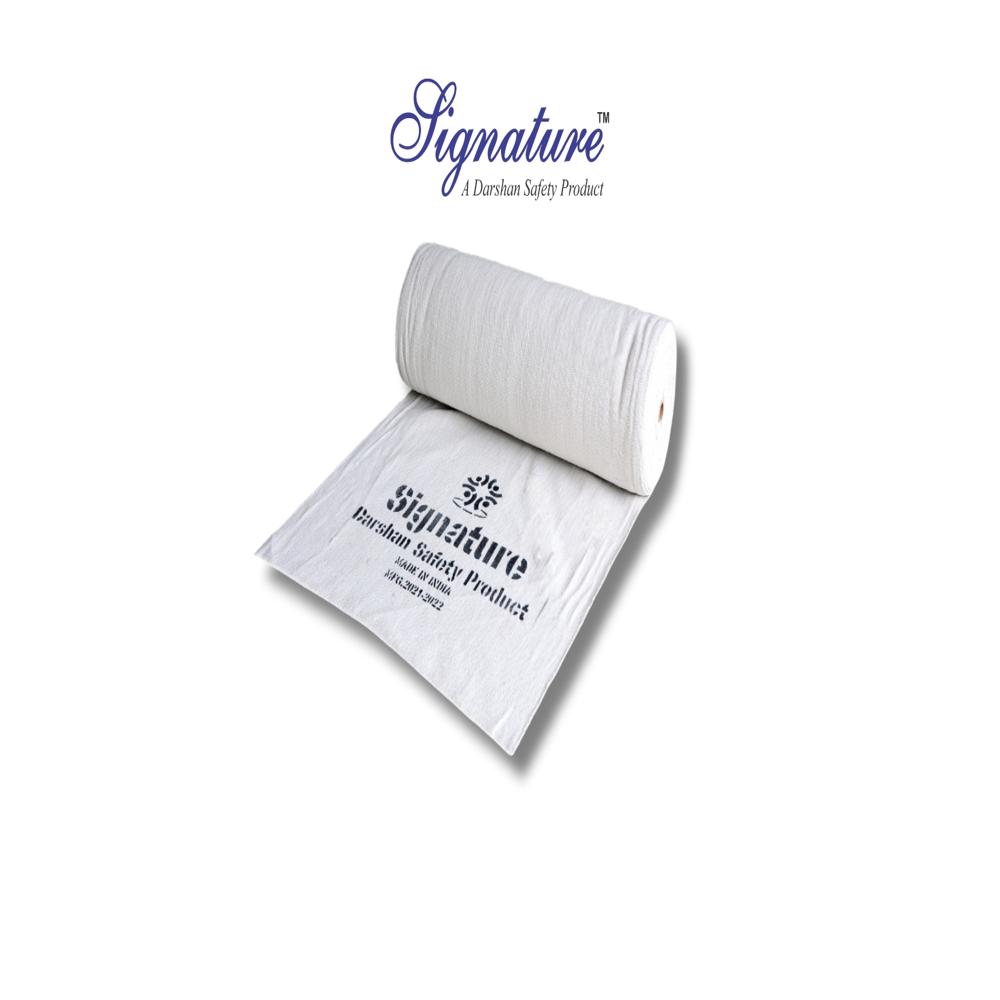
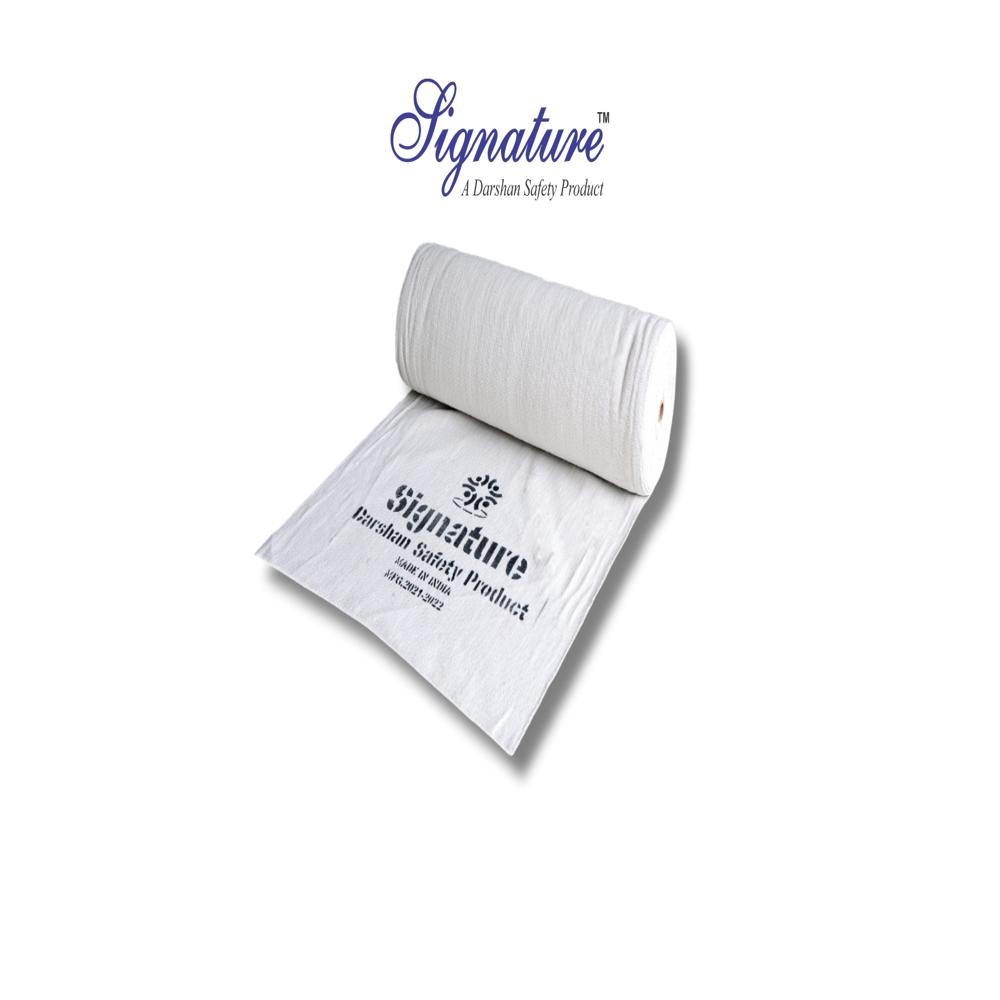
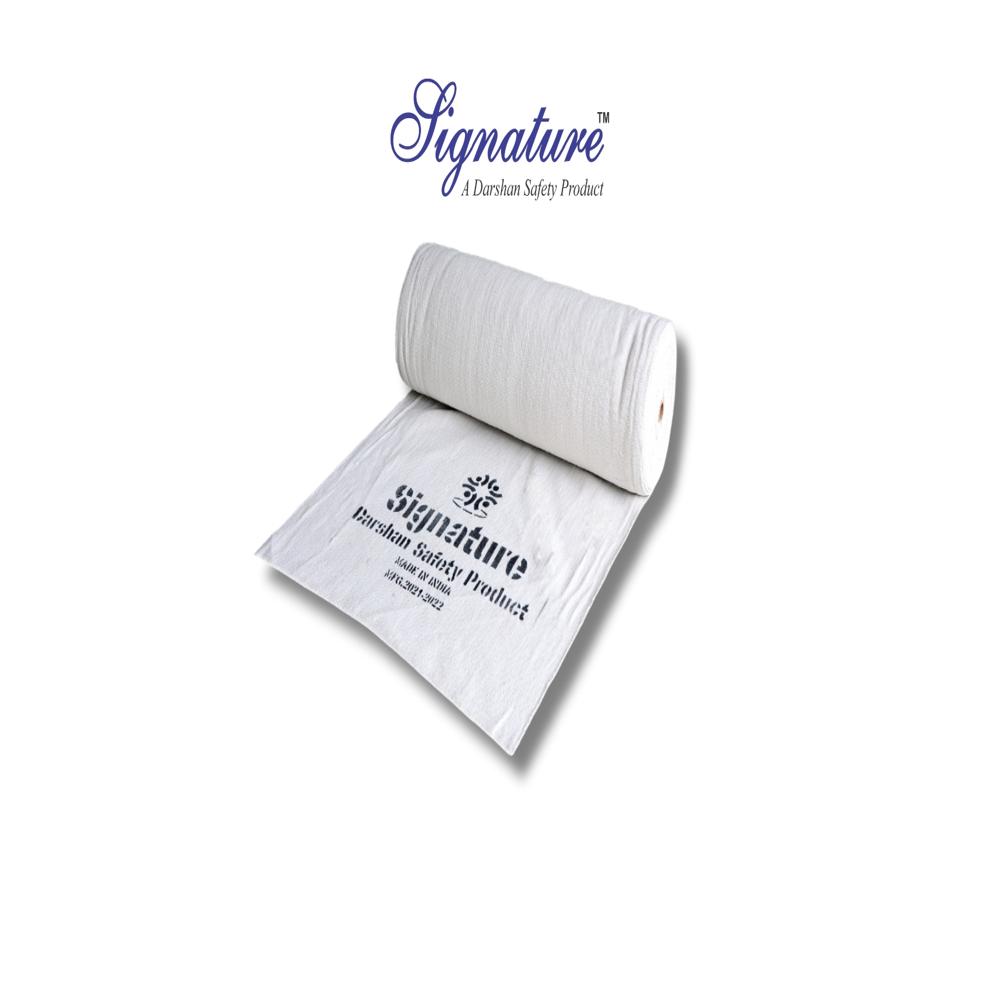
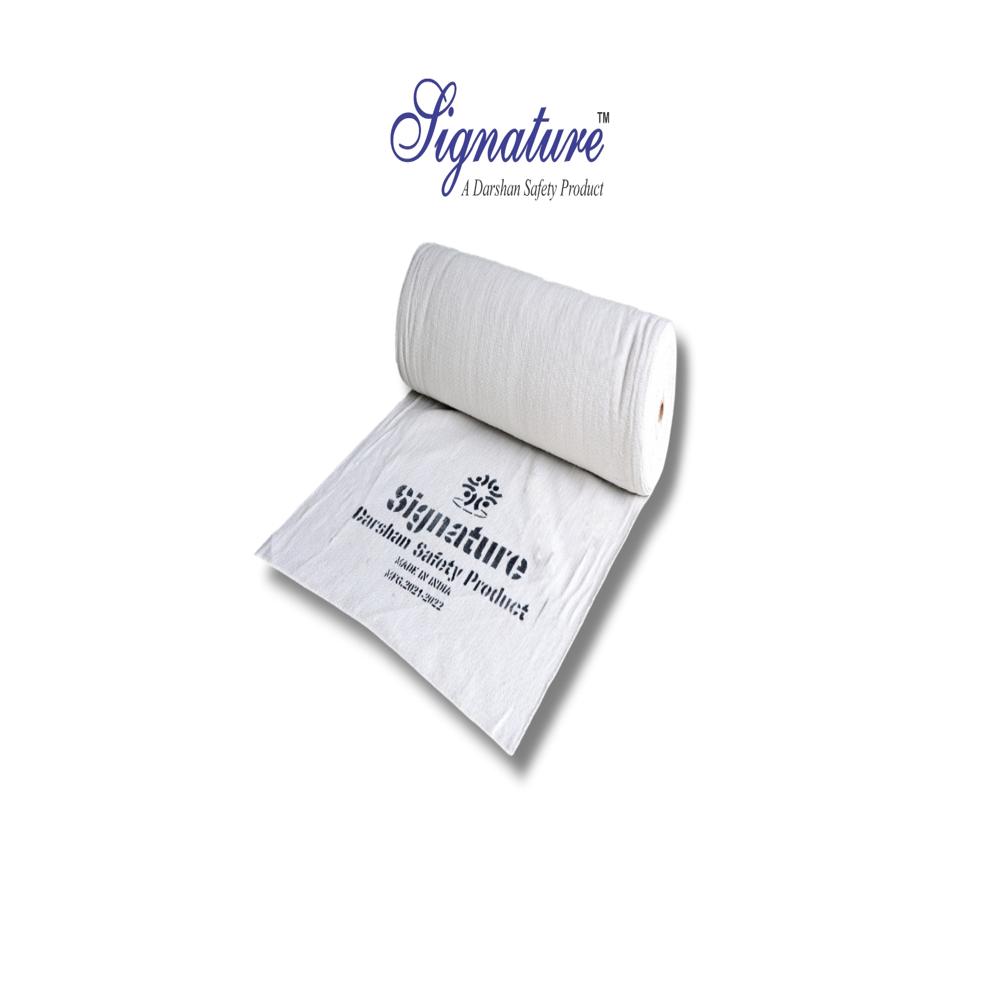
Ceramic Fiber Fabric
Key Features:
-
Made from high-quality alumina-silica fibers
-
Mechanically needled for superior tensile strength & surface integrity
-
Strong, lightweight, and flexible design
-
Reinforced with fiberglass filament and optional Inconel/alloy steel wire
-
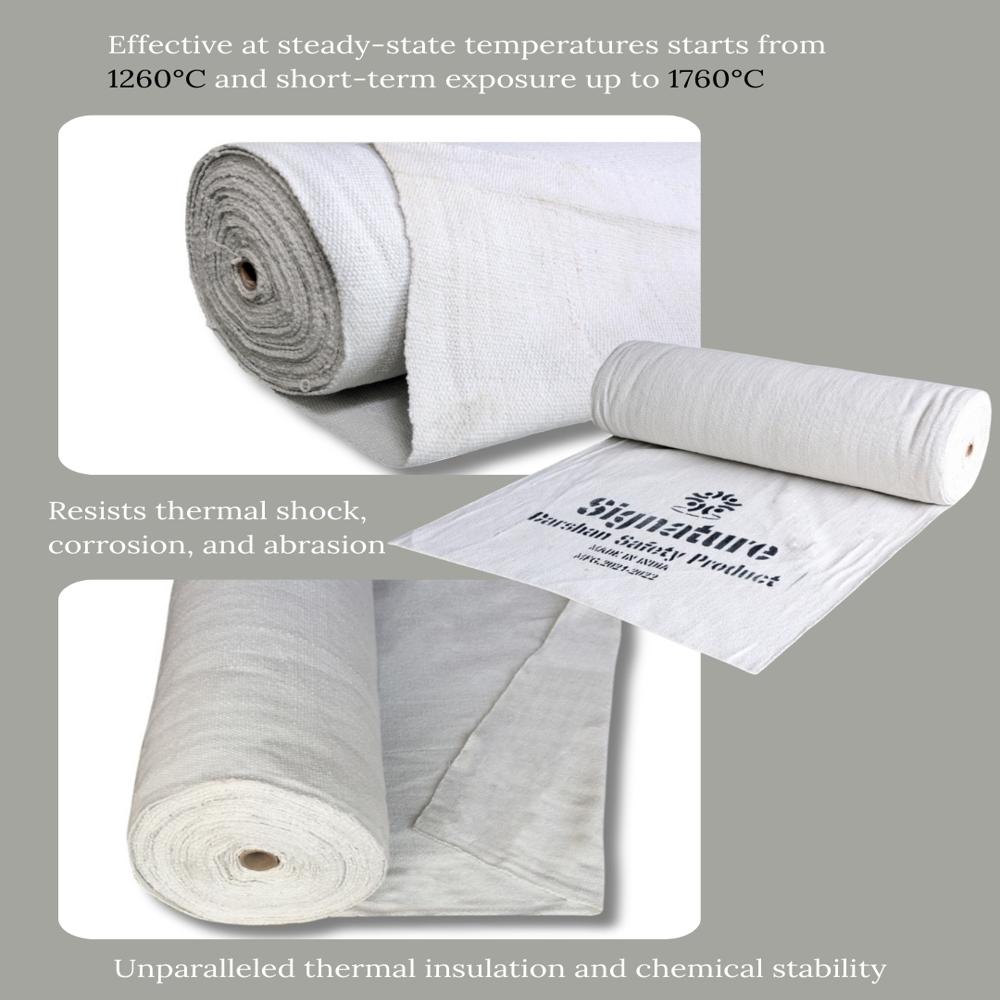
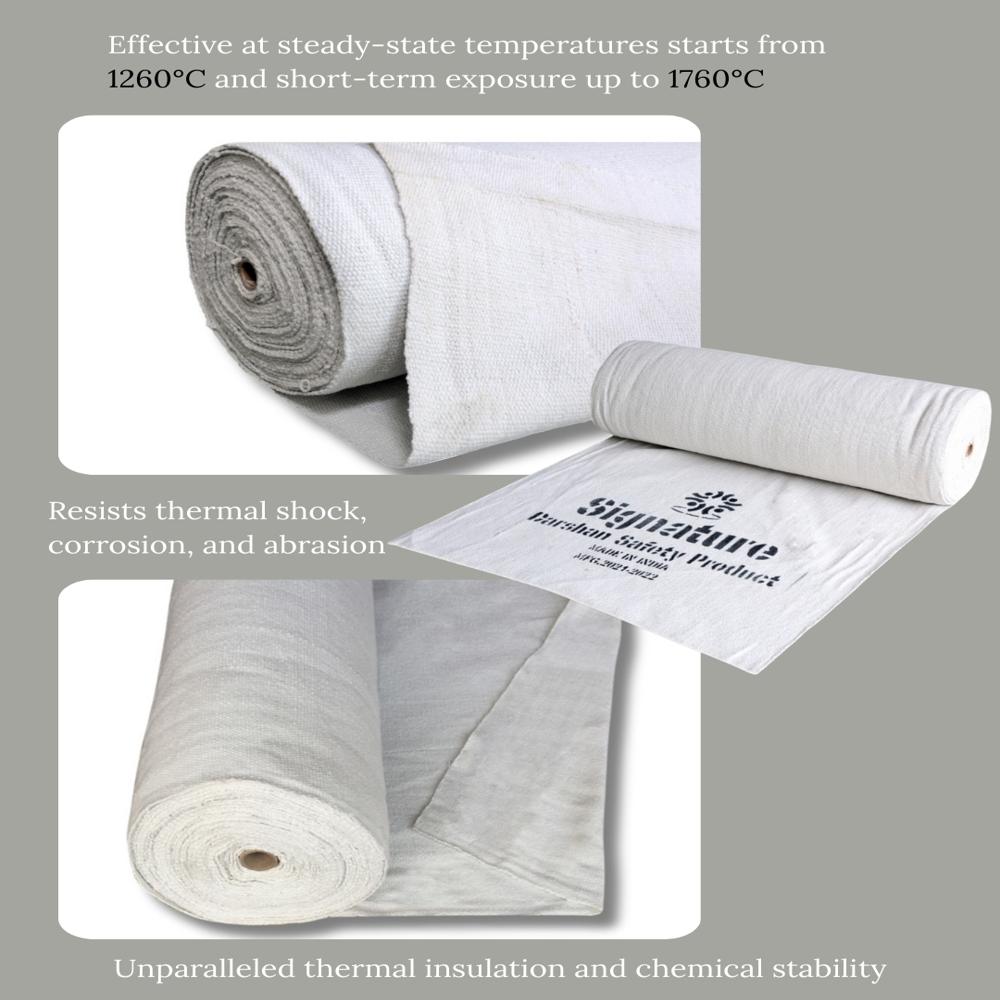
Withstands continuous temperatures up to 1260 C and short-term up to 1760 C
-
No deterioration or formation of cristobalite structure
-
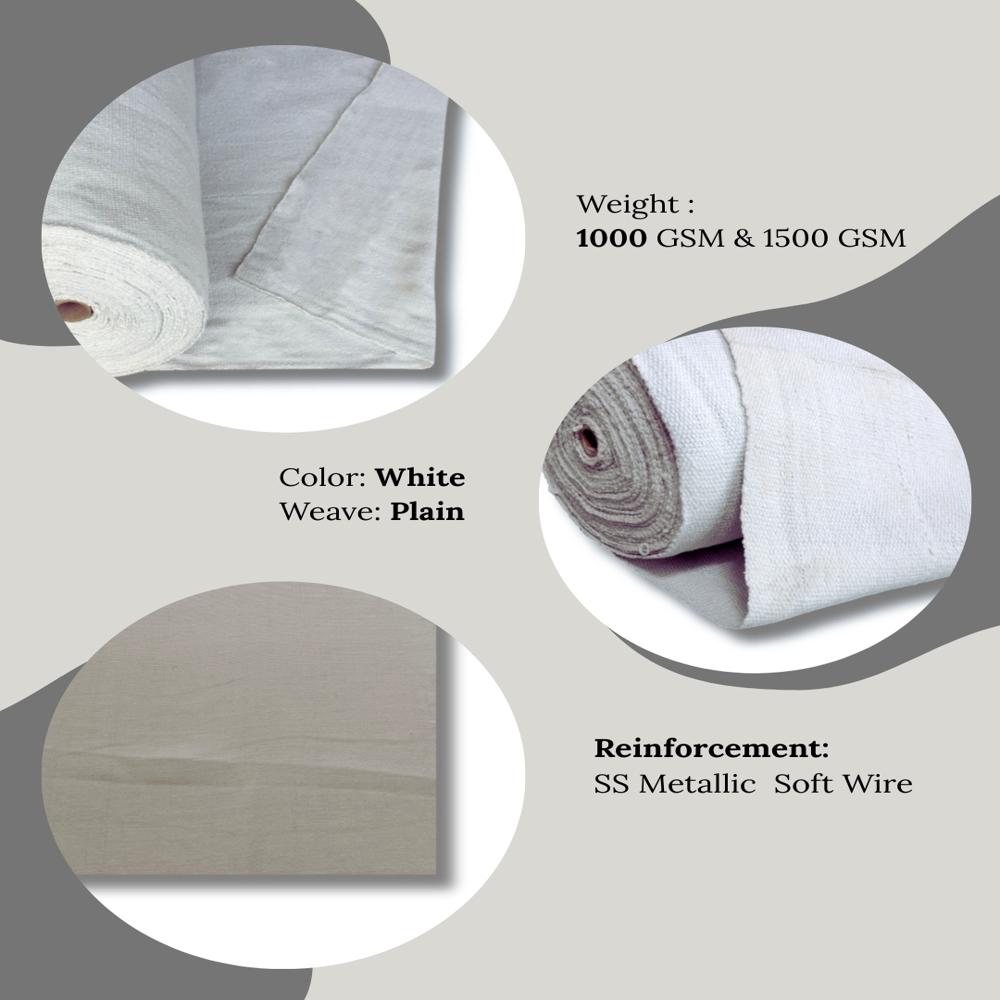
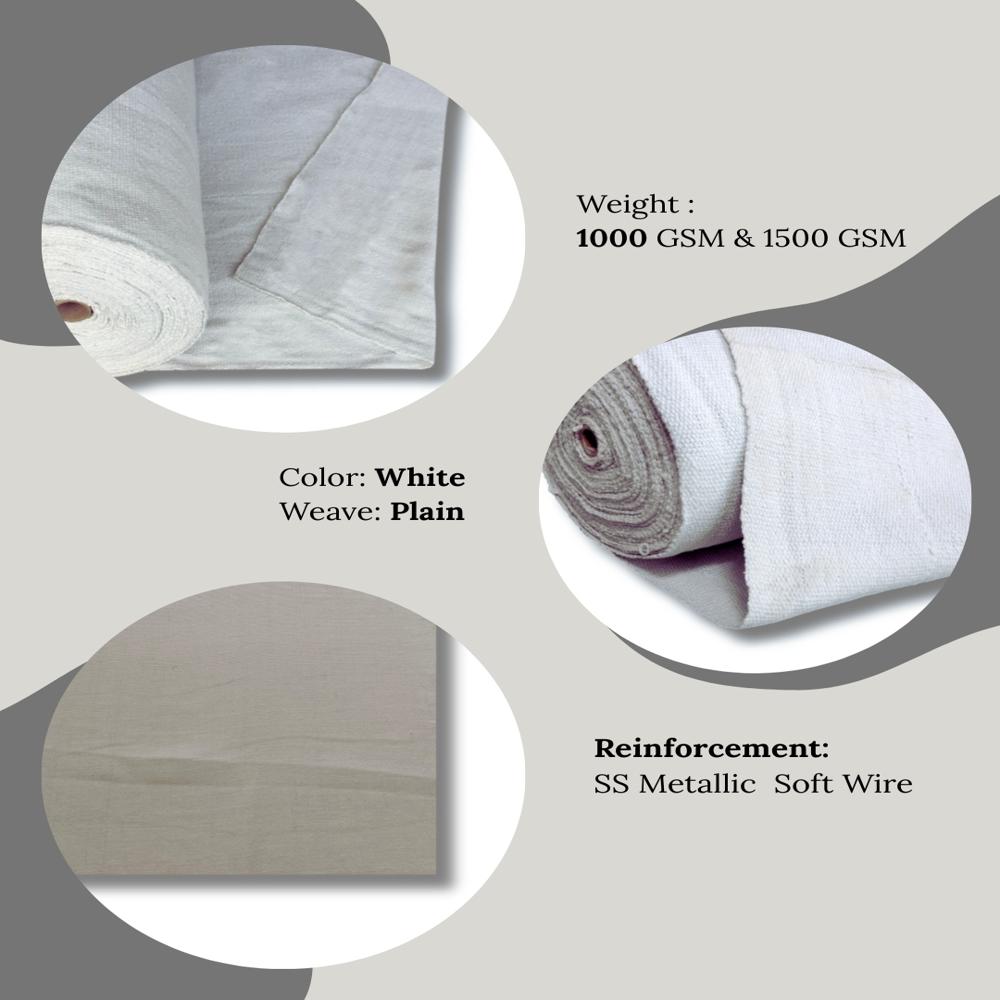
Conductive with SS metallic soft wire reinforcement
Technical Specifications:
-
Thickness: 2.0 mm, 3.0 mm, 4.0 mm
-
Weight: 1000 GSM & 1500 GSM
-
Color: White
-
Weave: Plain
-
Size: 1 30 Meter roll
-
Melting Point: 1760 C
-
Conductive: Yes
Applications:
-
Aerospace & Defense: Heat shields for aircraft, spacecraft, and missile systems
-
Energy & Power: Insulation for turbines, reactors, pipes, ducts, and vessels
-
Chemical & Petrochemical: Thermal protection against corrosion and chemical attack
-
Industrial Furnaces & Kilns: High-temperature refractory applications
-
Metal & Glass Industries: Casting, molding, and thermal management
-
Energy Storage: Battery and fuel cell protection
-
Personnel Safety: Protection for workers and equipment in high-heat zones
Benefits:
-
Unmatched Thermal Insulation: Effective for extreme heat applications
-
Durability: Resists thermal shock, abrasion, and chemical attack
-
Energy Efficiency: Reduces heat loss and operating costs
-
High Reliability: Performs in harsh, high-temperature environments
-
Versatility: Suitable across aerospace, power, chemical, and industrial sectors
#CeramicFiberFabric #ThermalProtection #HighTempInsulation #AerospaceMaterials #IndustrialSafety #HeatResistant #EnergyEfficiency
Optimized for Welding and Industrial SafetyEngineered to withstand extreme temperatures, this ceramic fibre fabric is a trusted solution for welding safety. It shields personnel and equipment from sparks, molten metal splashes, and intense heat. Its impressive thermal qualities make it an exceptional choice for environments requiring rigorous safety measures.
Versatile Applications Across IndustriesBeyond welding, this safety fabric proves invaluable for insulation in furnaces, boilers, and pipelines. The fabrics flat, substantial design and high GSM ensure durability and coverage during use, making it ideal for heavy-duty thermal protection in manufacturing plants, workshops, and construction sites.
FAQs of Ceramic Fibre Welding Safety Fabric:
Q: How is the Ceramic Fibre Welding Safety Fabric utilized in welding environments?
A: The fabric is typically used as a safety blanket to protect workers and nearby surfaces from sparks, molten metal, and high temperatures during welding operations. It acts as a heat shield, minimizing the risk of burns and fire hazards.
Q: What are the benefits of using uncoated ceramic fabric for safety applications?
A: An uncoated ceramic fabric offers high flexibility and maintains thermal insulation properties without introducing additives. This ensures longer lifespan and consistent performance, especially under high heat and in rigorous industrial settings.
Q: When should this safety fabric be replaced or inspected?
A: It is recommended to inspect the fabric after exposure to extreme temperatures or contact with molten metal. If there are visible damages, thinning, or loss of flexibility, replacement is advised to maintain optimal protection.
Q: Where can this fabric be installed for maximum efficiency?
A: The fabric can be positioned around welding zones, draped over machinery, or used as a protective barrier for floors and walls. It is also suitable for wrapping around pipes, boilers, and furnace doors in industrial facilities.
Q: What is the correct process for deploying the ceramic fibre blanket during welding?
A: Simply lay out the fabric in the desired area, ensuring it fully covers and shields the surfaces or personnel at risk. Secure the edges if necessary to prevent displacement during the welding process.
Q: How does the high GSM and density contribute to its effectiveness?
A: A high GSM of 1100 and density of 700 kg/m3 ensure the fabric is thick, resilient, and adept at containing high temperatures and preventing heat transfer, resulting in enhanced safety and longer-lasting performance.


 Send Inquiry

 Product Video




 English
 Spanish
 French
 German
 Italian
 Chinese (Simplified)
 Japanese
 Korean
 Arabic
 Portuguese


 Send Inquiry
 Send SMS