Product Description
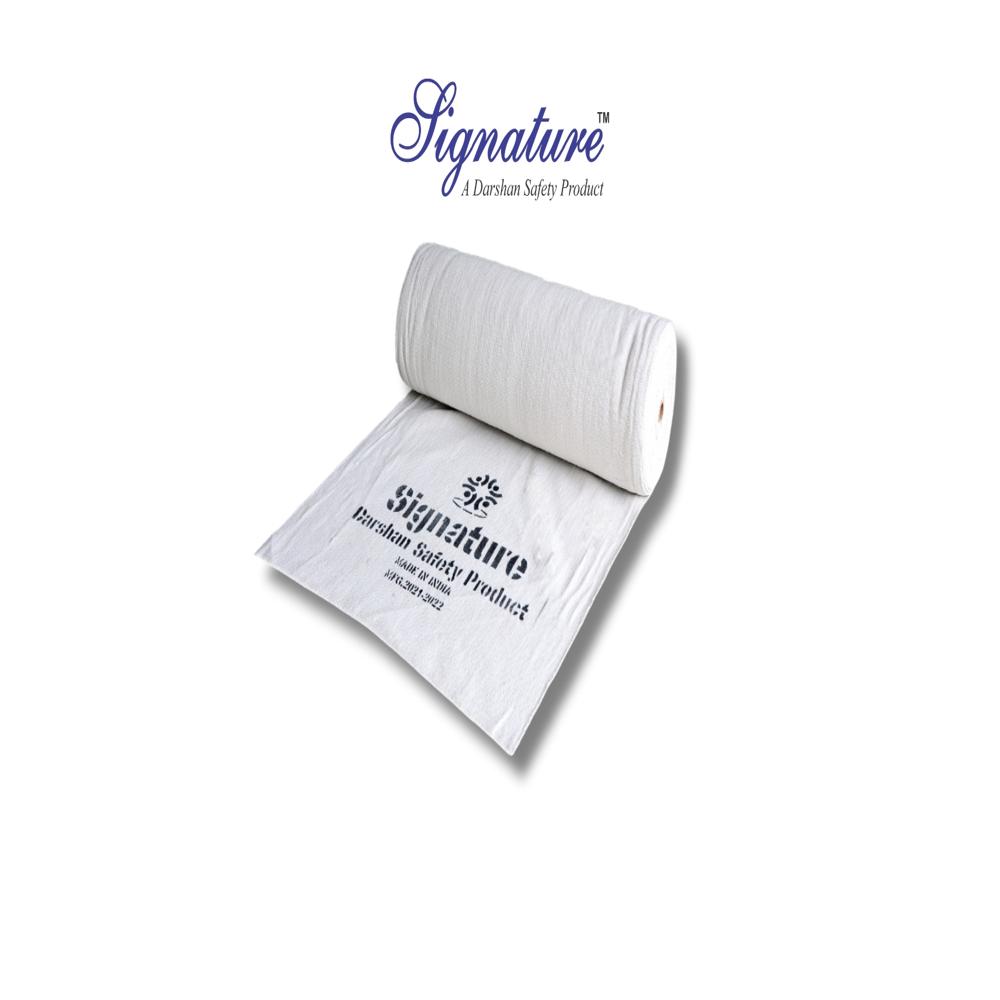
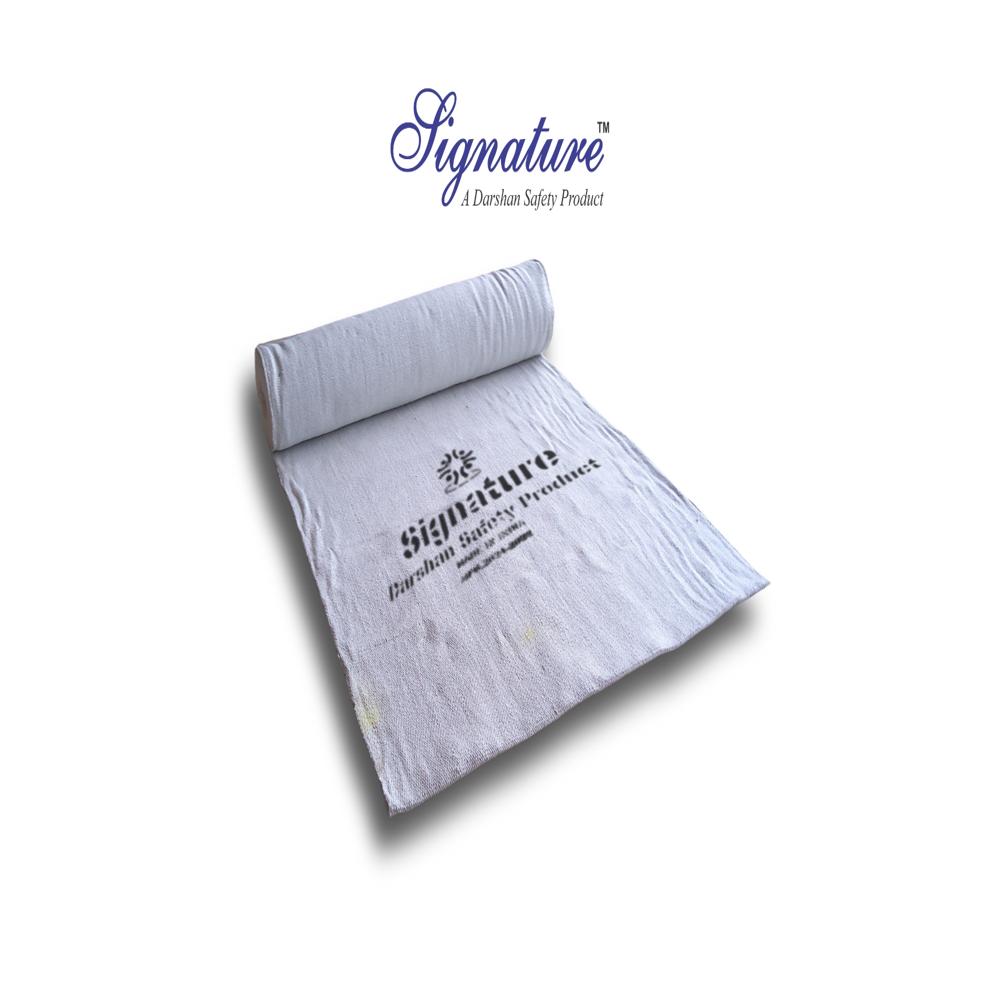
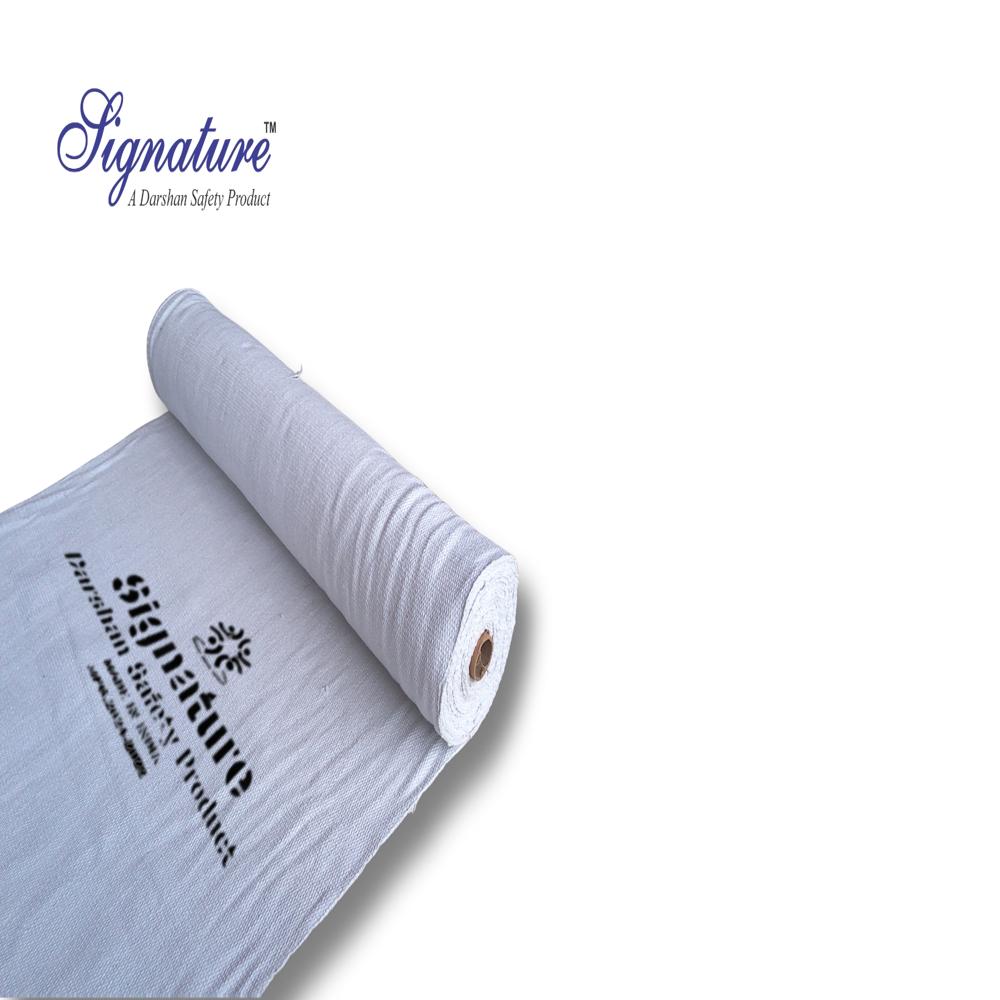
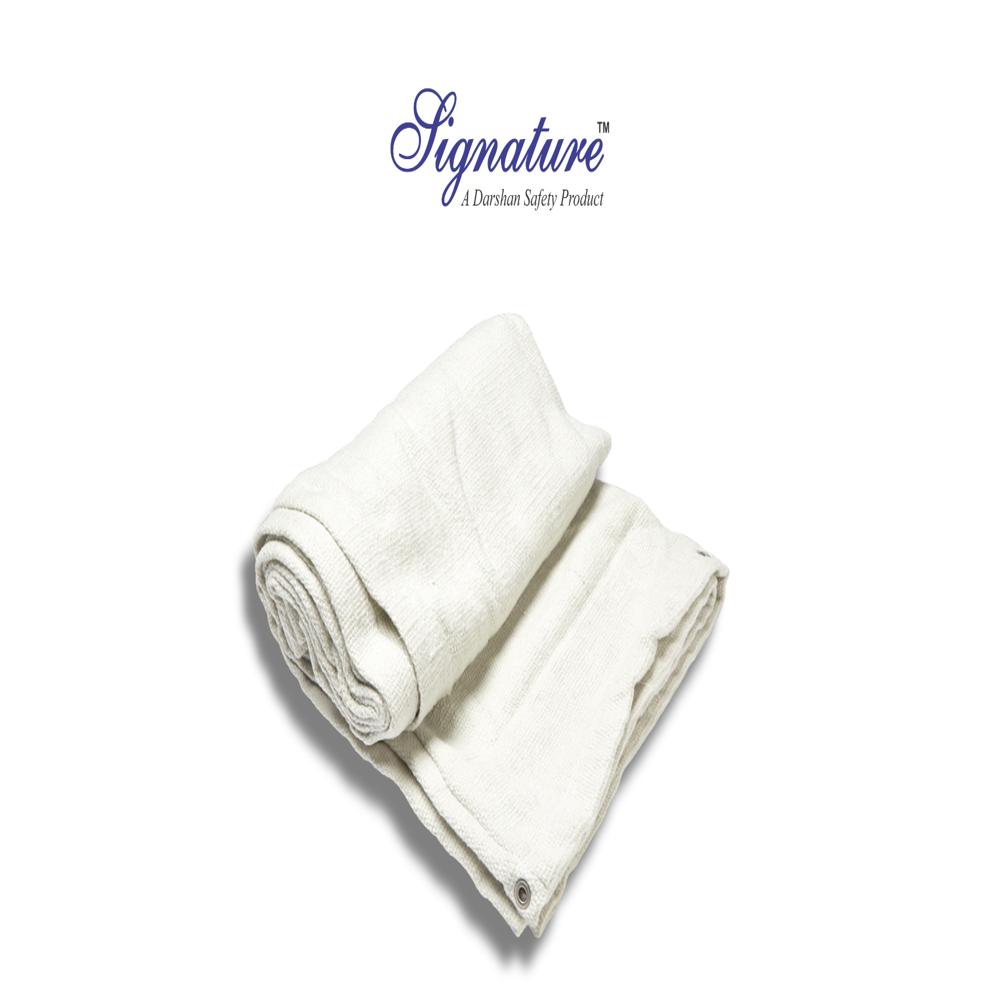
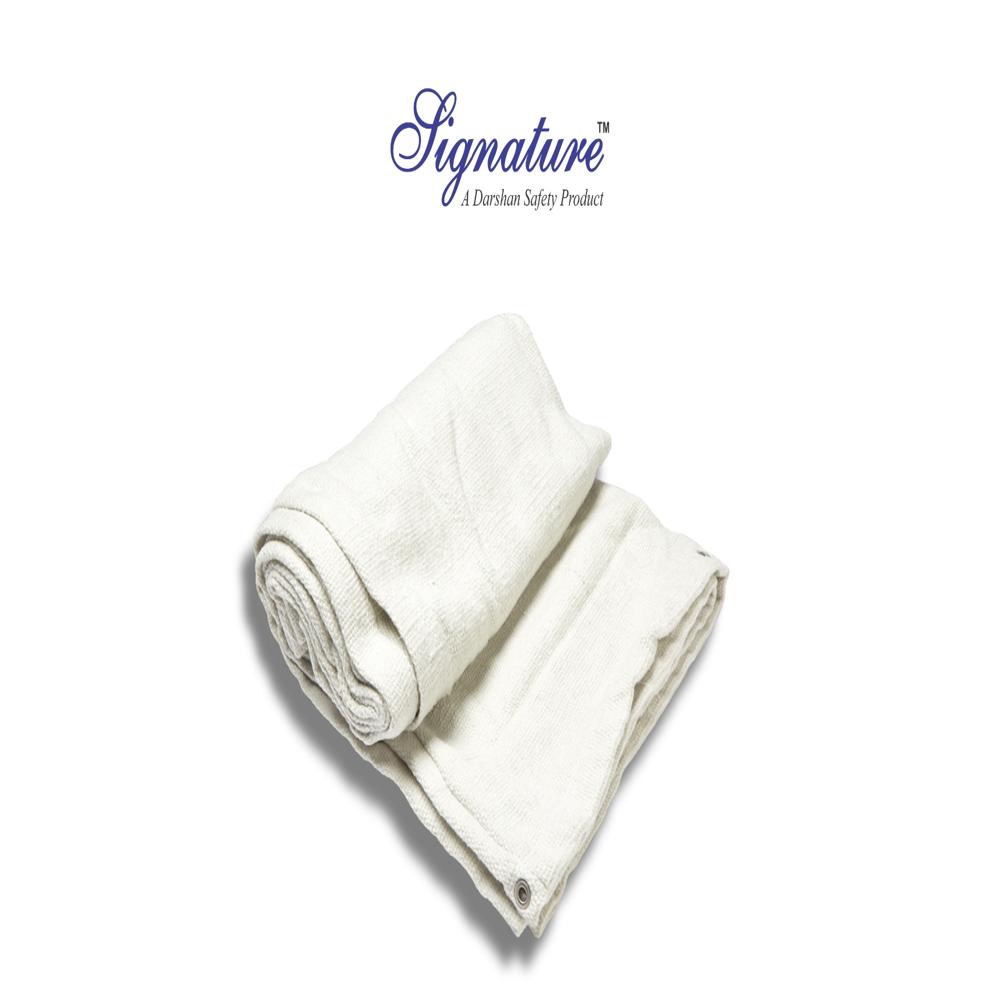
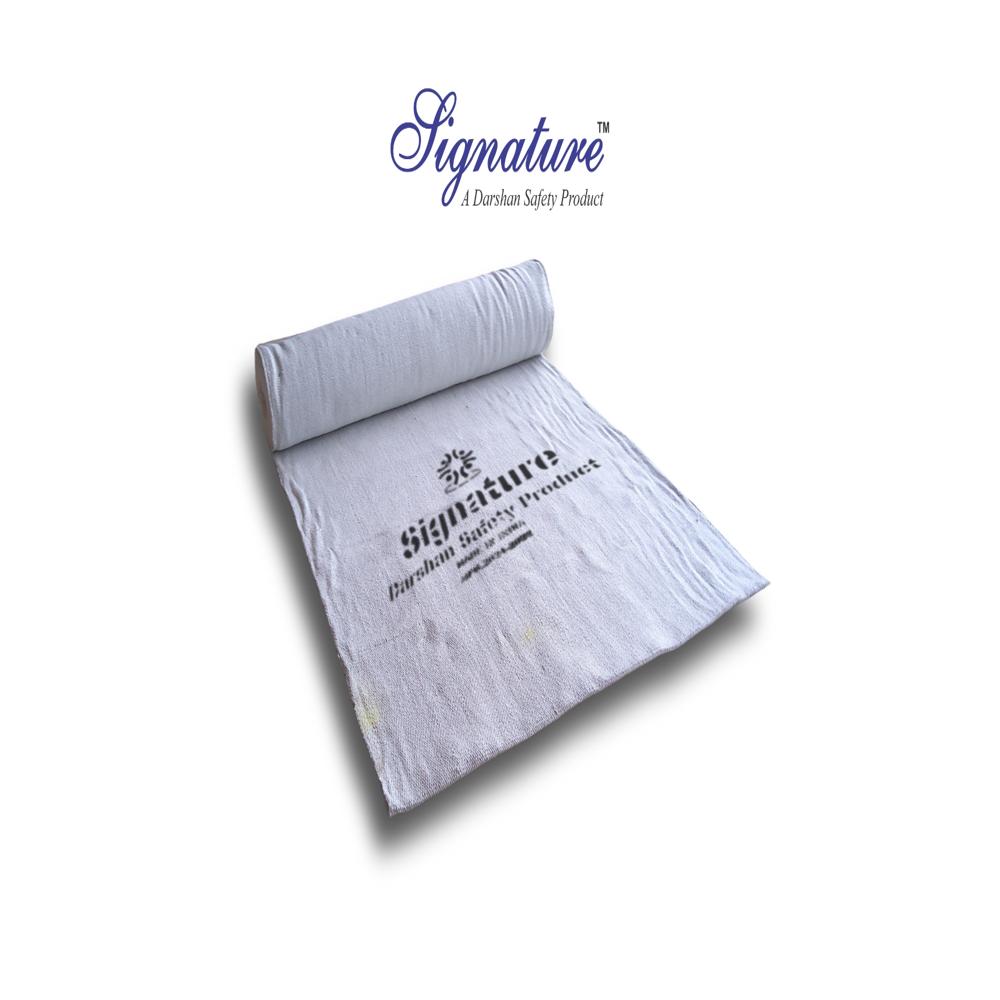
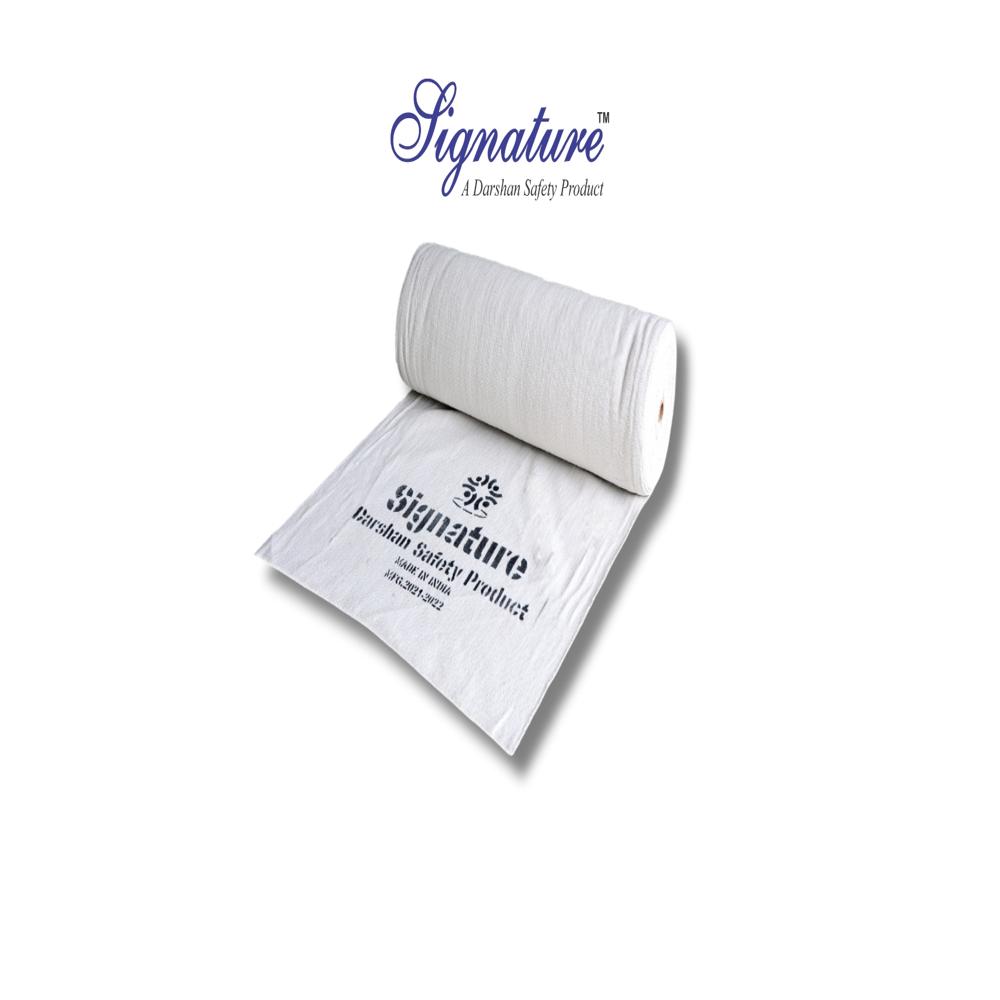
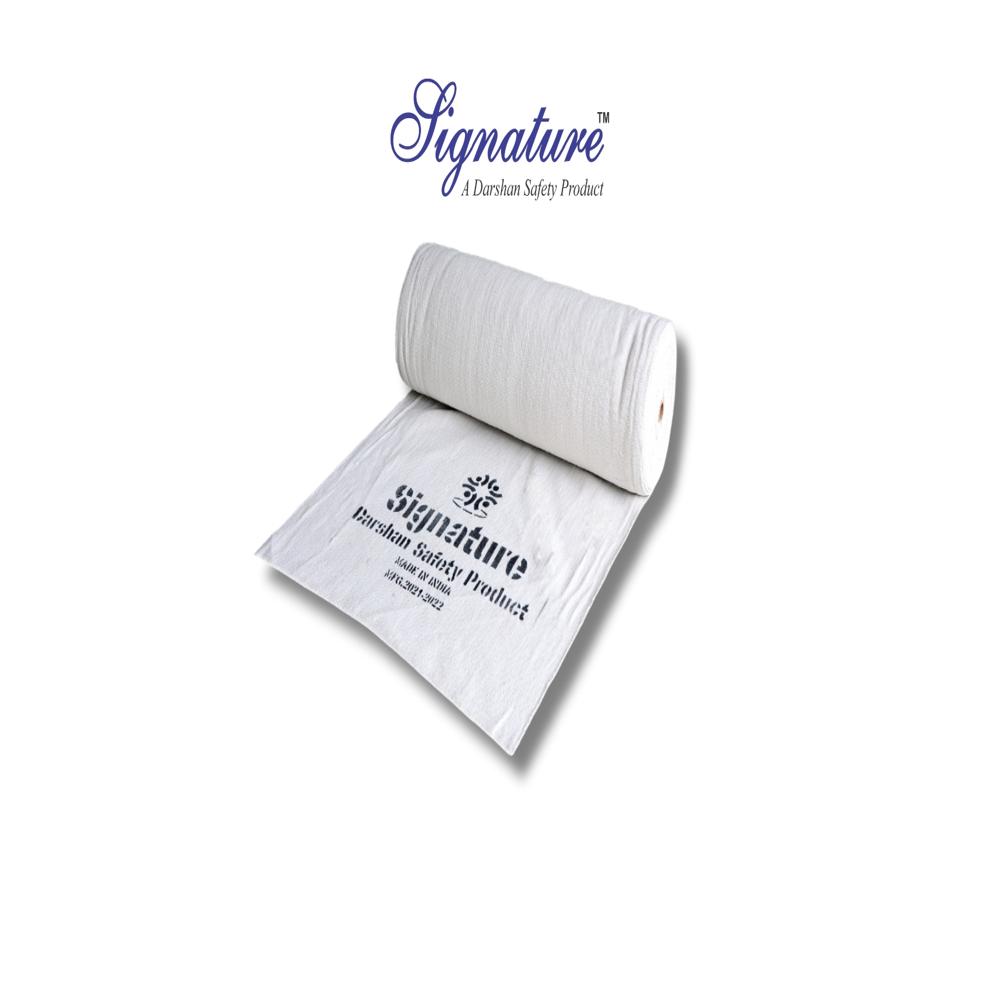
Ceramic Fiber Fabric DSZCF3.0
-
Composition: Woven from high-quality alumina-silica fibers, mechanically needled for tensile strength and surface integrity
-
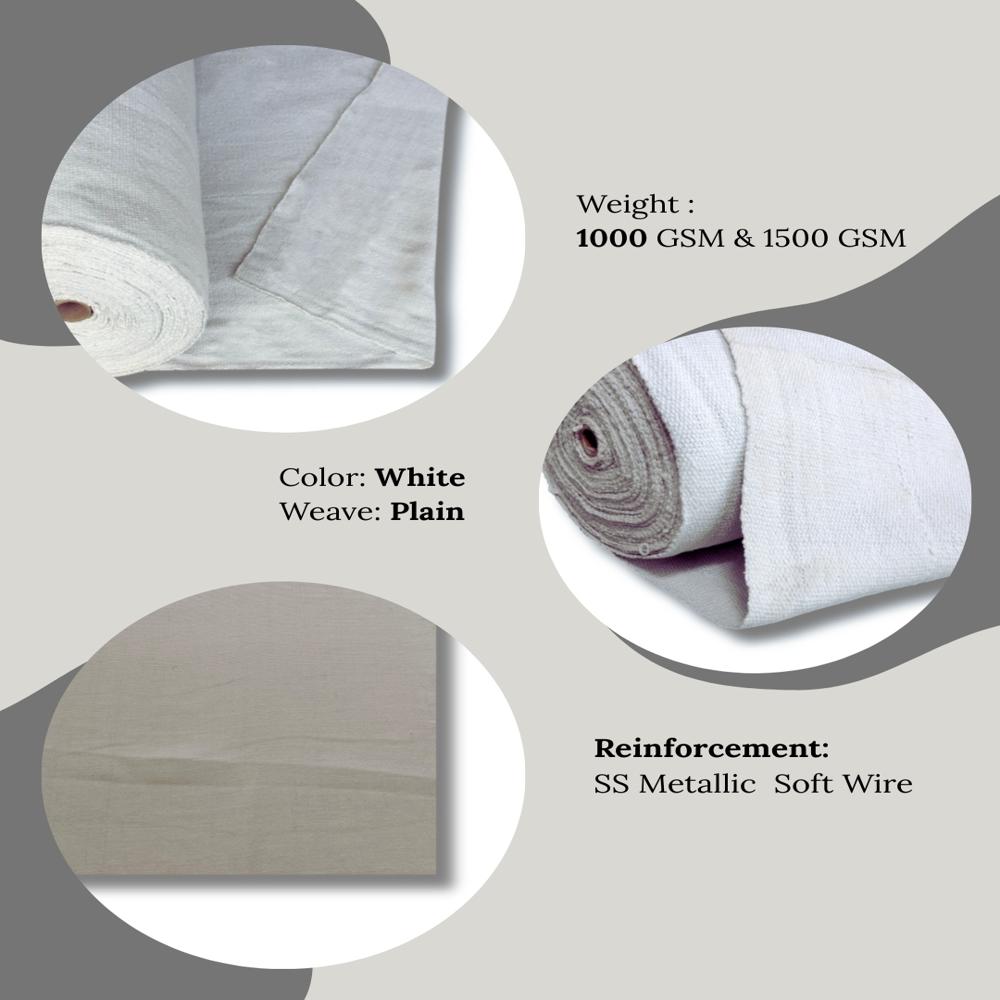
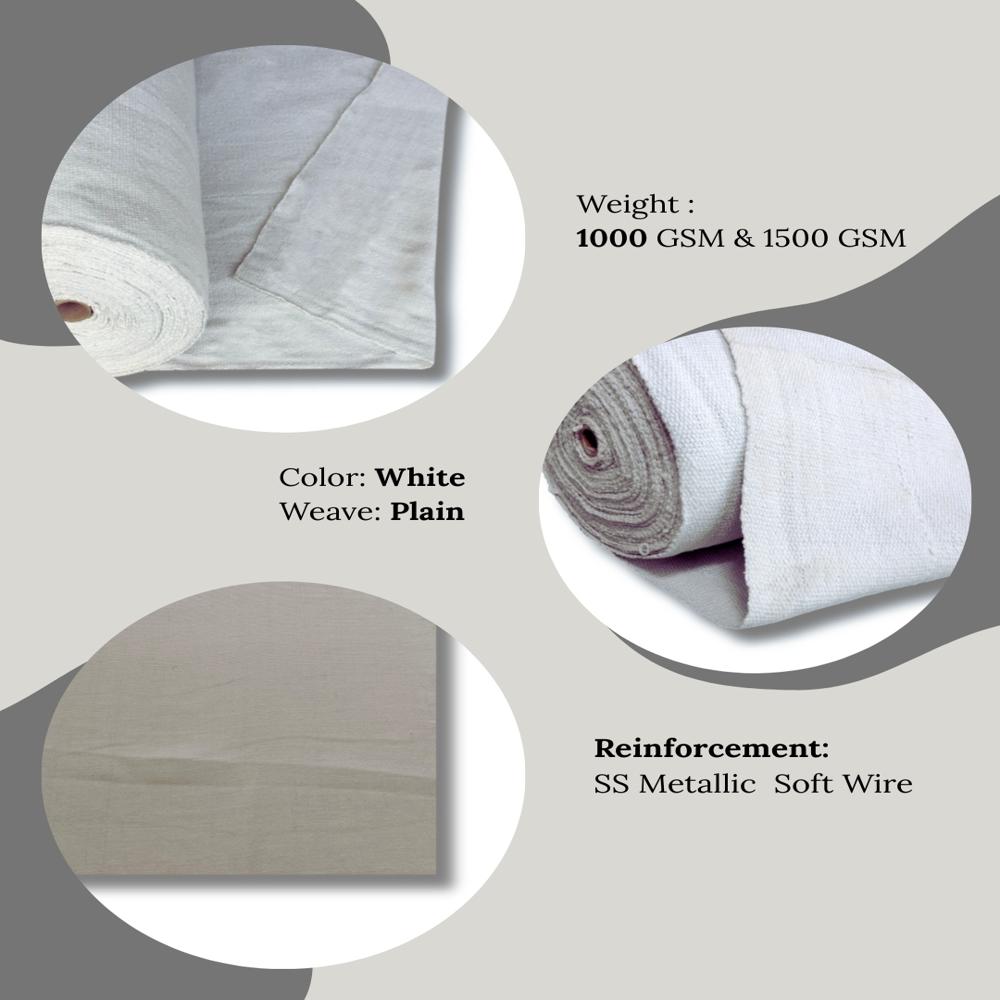
Reinforcement: Fiberglass filament; optional Inconel/alloy steel wire (SS Metallic Soft Wire standard)
-
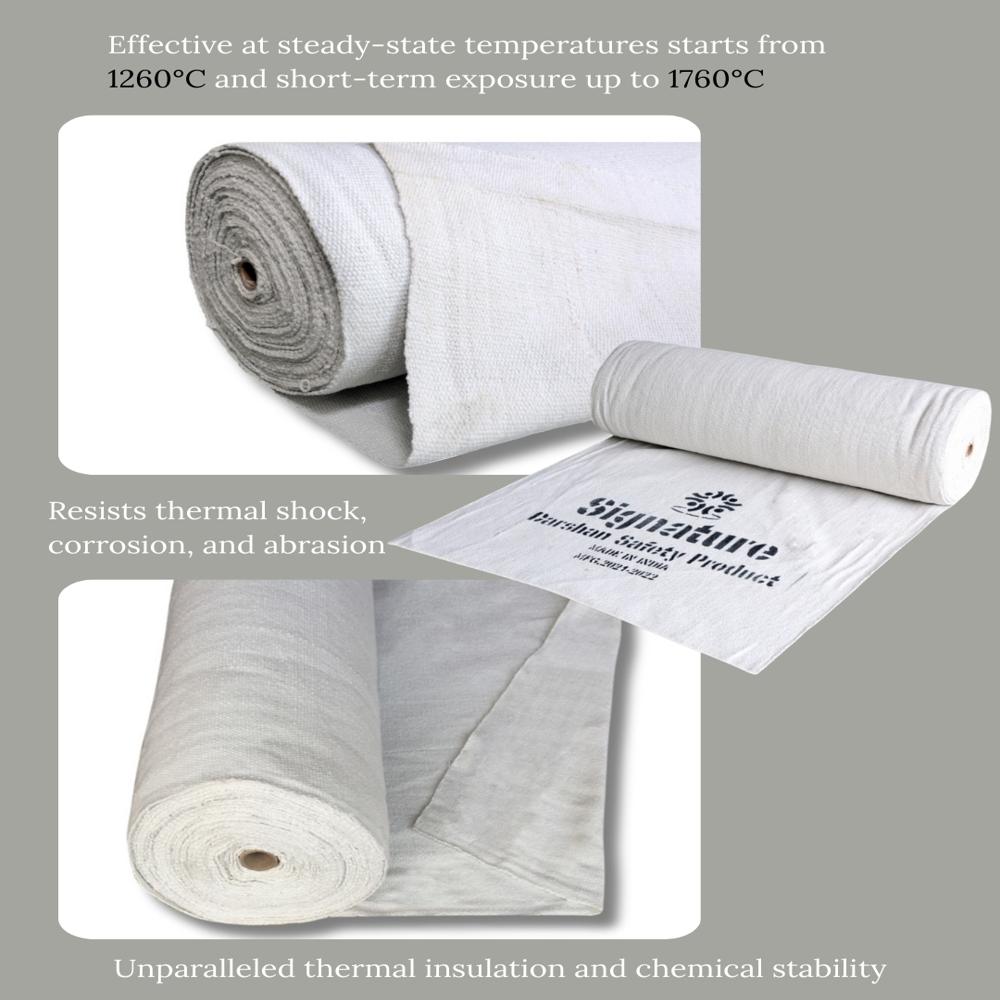
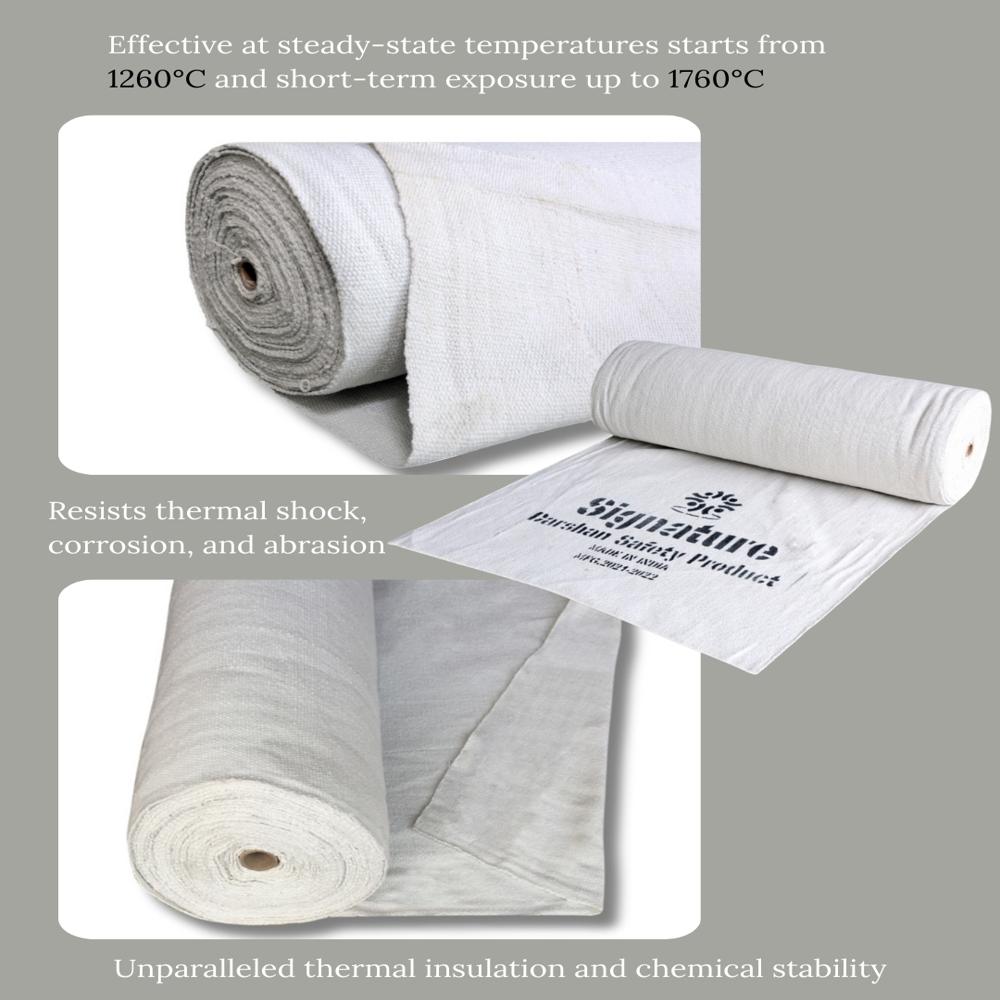
Temperature Resistance: Continuous use 1260 C | Short-term up to 1760 C
-
Melting Point: 1760 C
-
Thickness Options: 2.0 mm, 3.0 mm, 4.0 mm
-
Weight: 1000 GSM & 1500 GSM
-
Color: White
-
Weave: Plain
-
Roll Size: 1 m 30 m
-
Conductive: Yes
Benefits
-
Exceptional thermal insulation and chemical stability
-
Resists thermal shock, corrosion, and abrasion
-
Strong, lightweight, and flexible
-
Reduces heat loss and improves energy efficiency
-
Long-lasting performance in harsh high-temperature environments
Applications
-
Heat shields for aircraft, spacecraft, and missile systems
-
Thermal protection for propulsion units
-
Insulation for furnaces, kilns, reactors, ducts, pipes, and high-temperature equipment
-
Power plants and energy storage systems (batteries, fuel cells)
-
Protection for personnel and industrial equipment
-
Metal casting and glass manufacturing
-
Industrial heat shields and refractory linings
Exceptional Heat and Flame ResistanceCrafted from high-quality fiberglass, this fabric withstands temperatures up to 1300C. Its outstanding thermal conductivity rating of 1.3 W/(m.k) ensures reliable insulation, making it a trusted choice for critical thermal protection in power stations, ships, and heavy machinery. The fabrics durability allows it to perform optimally in fire-prone or high-heat industrial settings.
Versatile Applications and Easy IntegrationWith its flat shape and uncoated surface, this fabric adapts to a diverse range of uses, including welding curtains, fireproof covers, and flame barriers. Its standard size (2m x 1m) makes installation straightforward across boiler rooms, pipelines, and textile machinery. Lightweight yet sturdy, it meets the rigorous demands of various industries.
FAQs of High Temperature Resistance Fabric:
Q: How does this fiberglass fabric provide effective protection against high temperatures?
A: The fabric is engineered from tightly woven fiberglass, which resists temperatures up to 1300C. Its structure prevents heat transfer and withstands direct exposure to flames, offering reliable thermal and fire protection in industrial settings.
Q: What are the typical uses for this high temperature resistance fabric in industrial environments?
A: It is commonly employed as welding blankets, flameproof curtains, and heat-resistant covers. Industries such as textile manufacturing, power generation, shipbuilding, and boiler maintenance utilize this fabric for thermal insulation and fire hazard prevention.
Q: When should this fabric be selected over other thermal insulation materials?
A: Choose this fabric when you need high durability, temperature resistance up to 1300C, and a lightweight, flexible solution. Its especially suitable for environments with high fire risk or frequent exposure to sparks and radiant heat.
Q: Where can this high temperature resistance fabric be installed?
A: The fabric can be used in various settings, including textile machinery, boiler surfaces, pipeline insulation, power stations, and ships. Its size and flexibility make it suitable for both flat and contoured surfaces requiring fire or heat shielding.
Q: What is the process for installing or applying this fiberglass fabric?
A: Installation is straightforward: the fabric can be cut to the required dimensions and affixed using mechanical fasteners or support frames. For welding or fire protection, simply drape or secure the fabric over the area needing coverage.
Q: What benefits does the absence of a coating offer?
A: Without a coating, the fabric retains flexibility and breathability while maintaining strong thermal resistance. This feature also eliminates concerns about coating degradation under extreme temperatures, ensuring consistent protection.


 Send Inquiry

 Product Video




 English
 Spanish
 French
 German
 Italian
 Chinese (Simplified)
 Japanese
 Korean
 Arabic
 Portuguese



 Send Inquiry
 Send SMS