Product Description
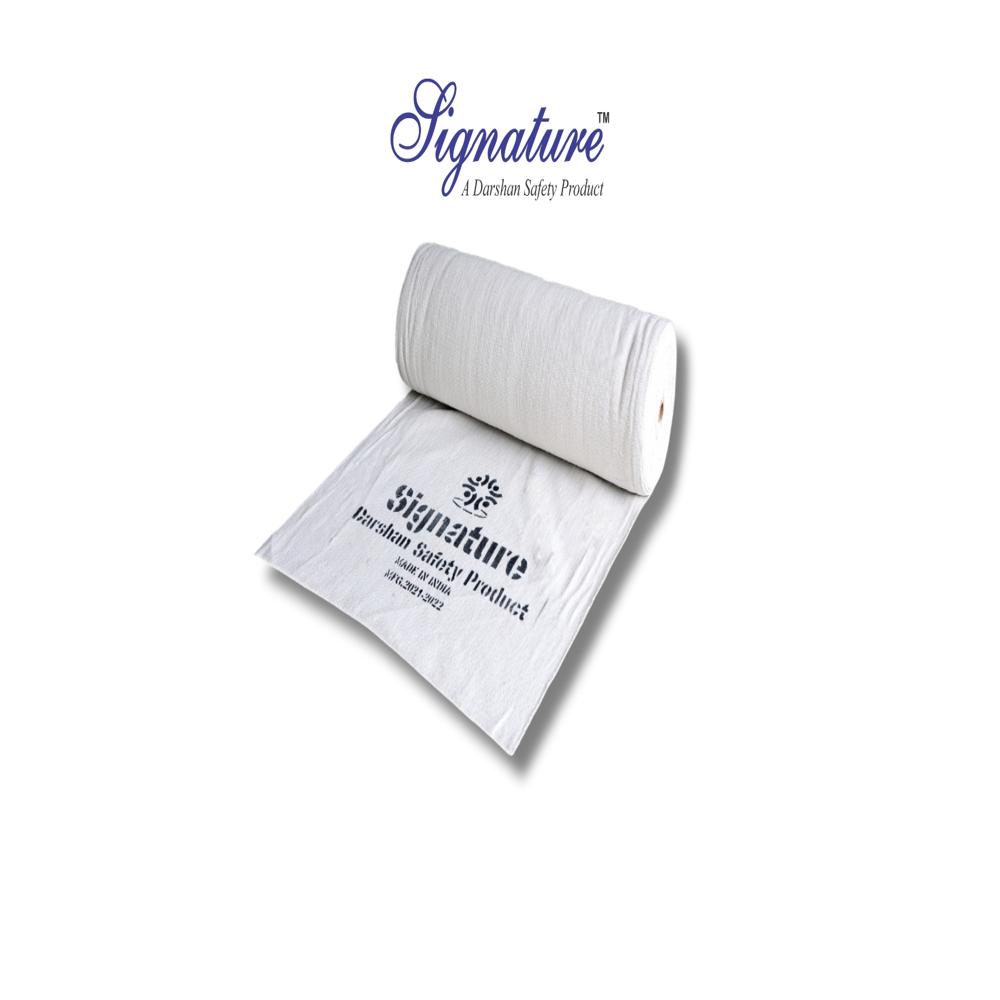
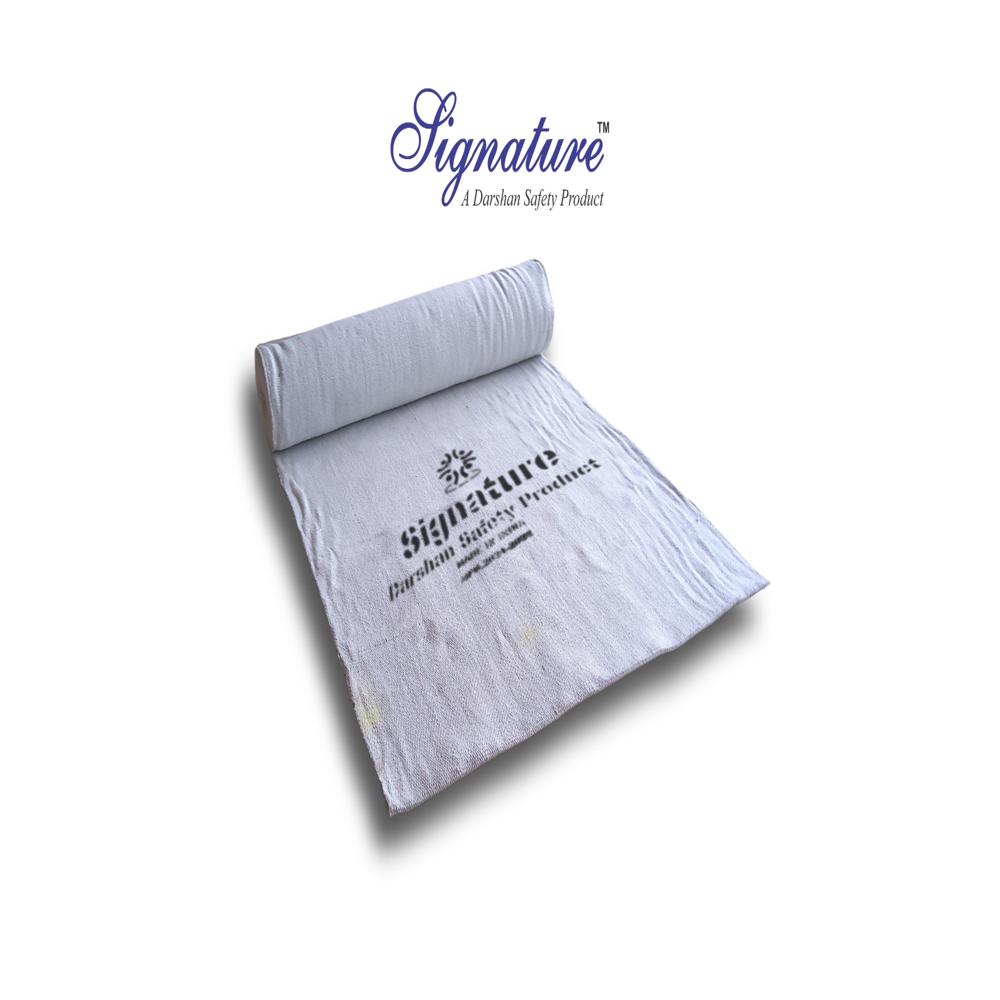
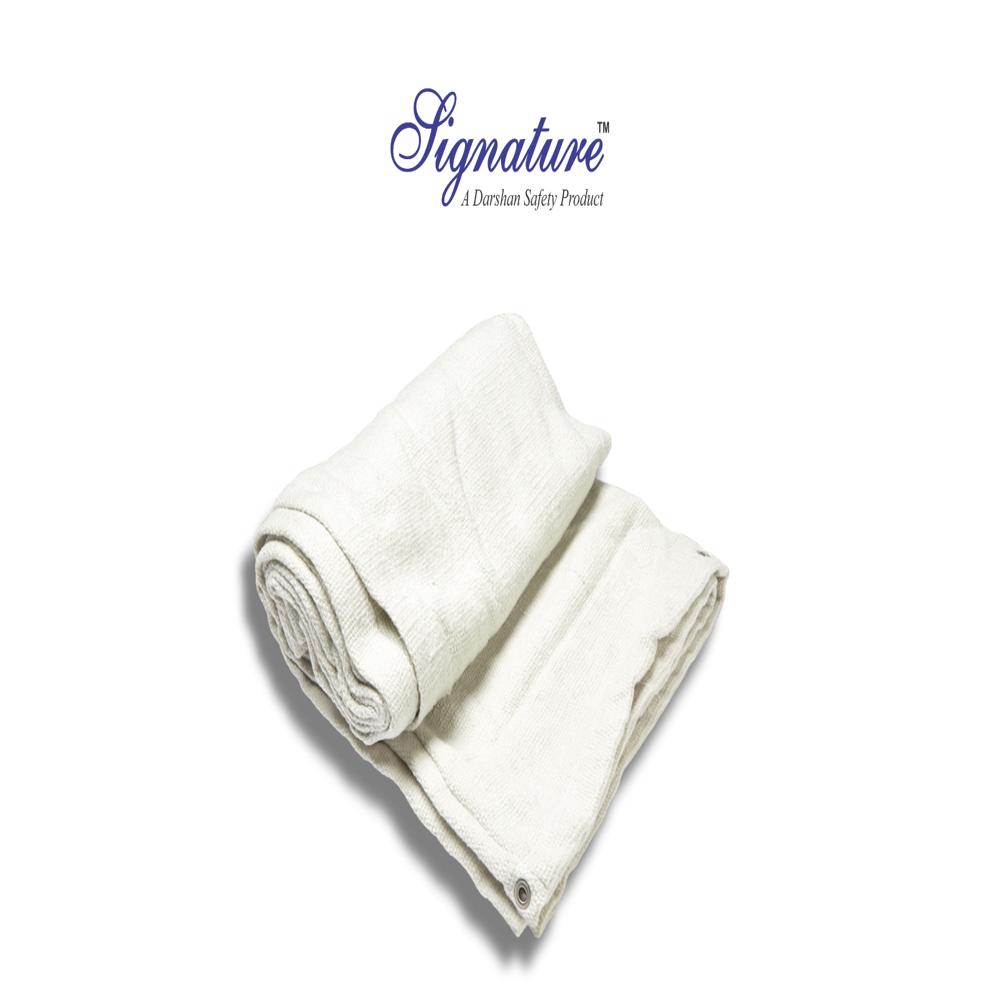
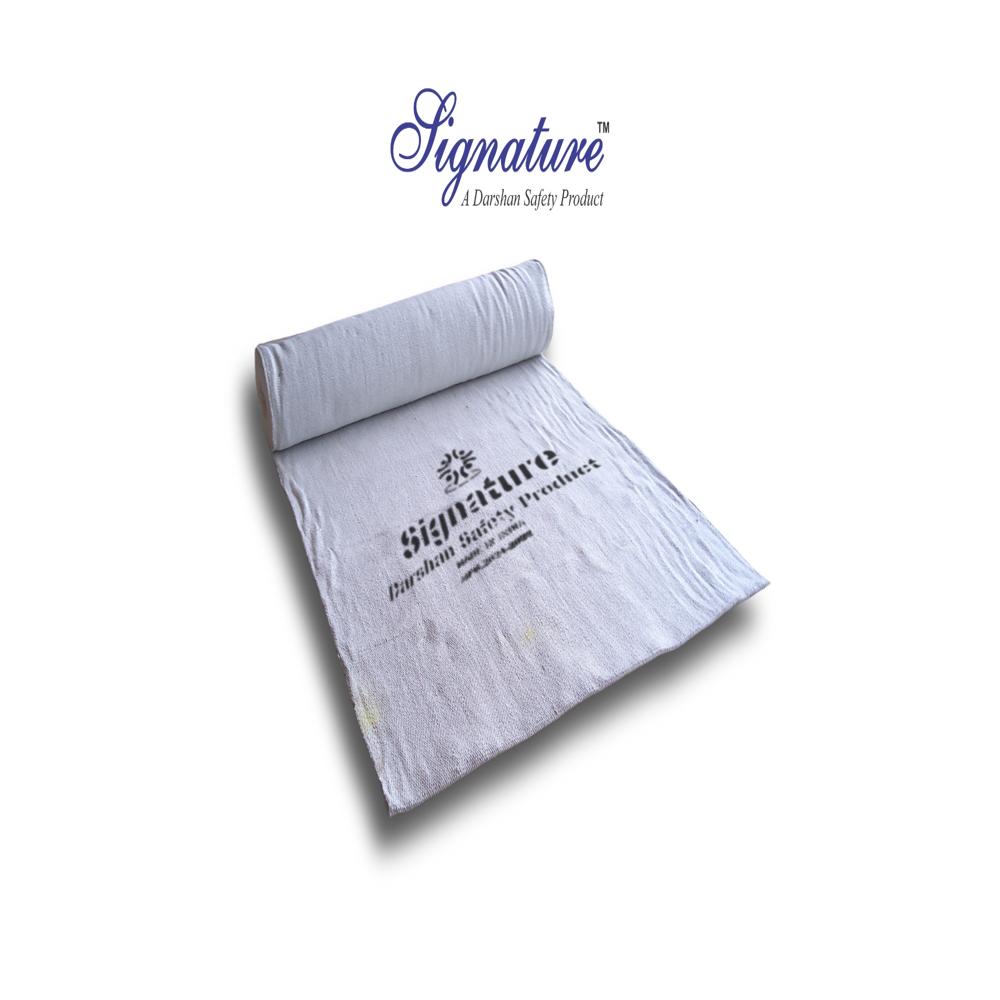
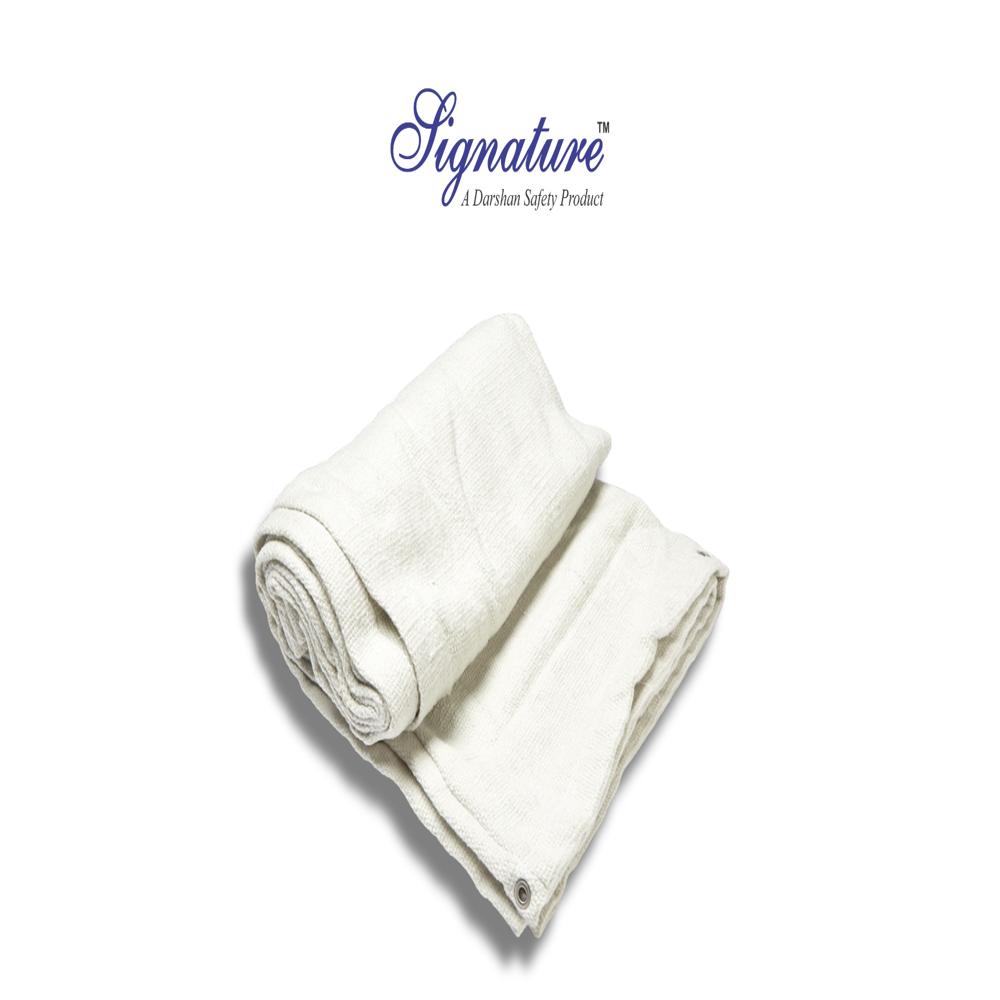
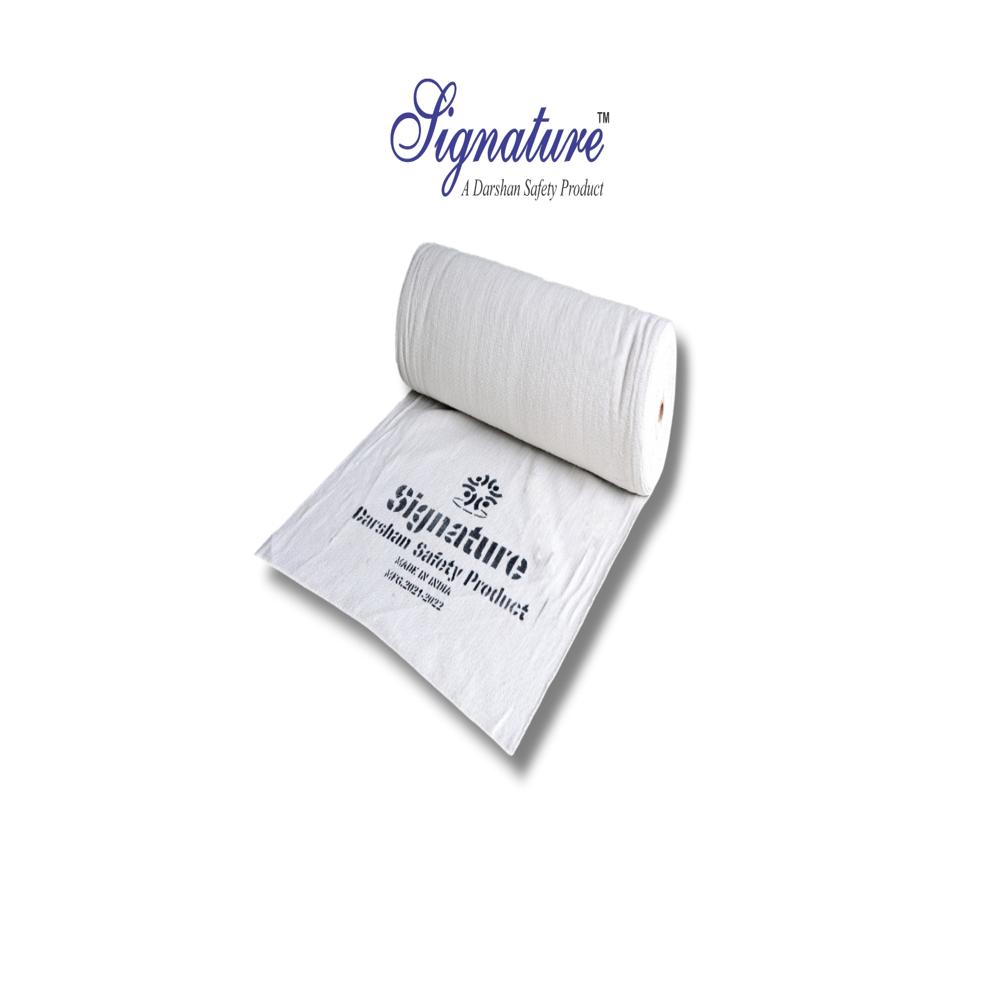
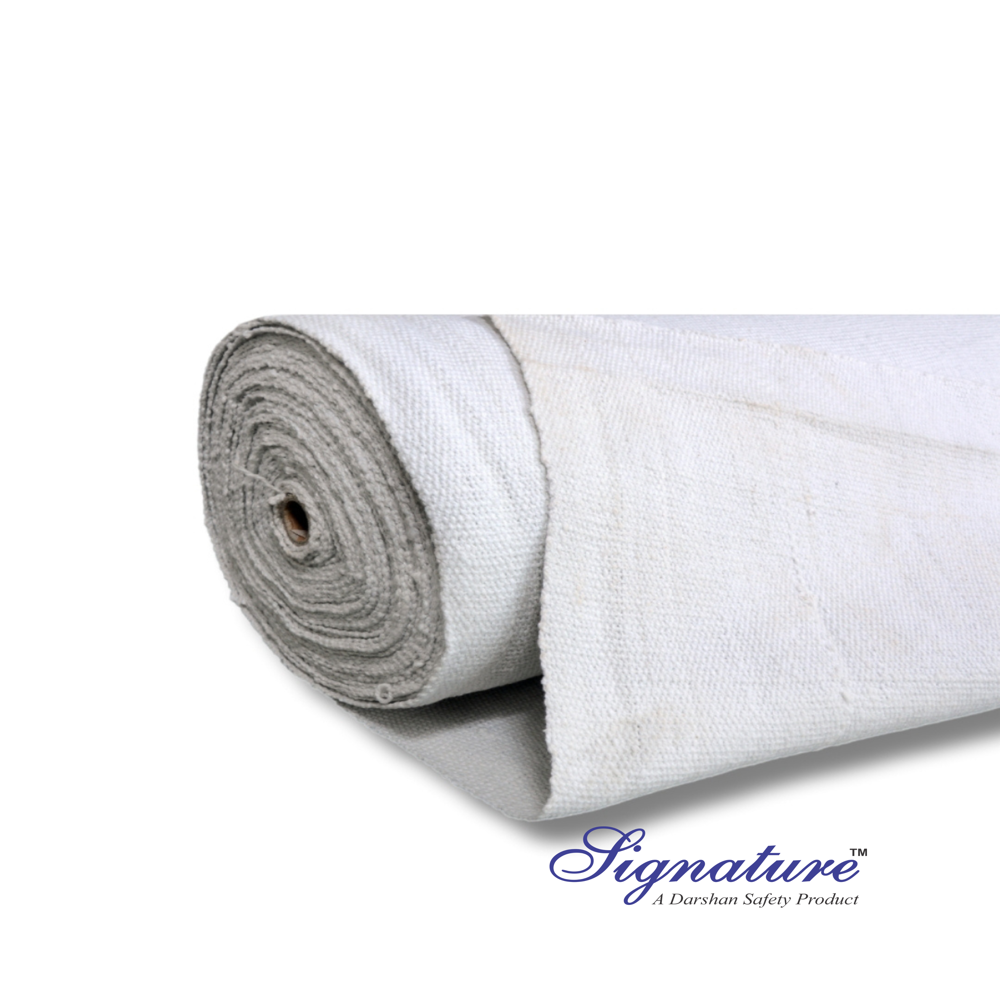
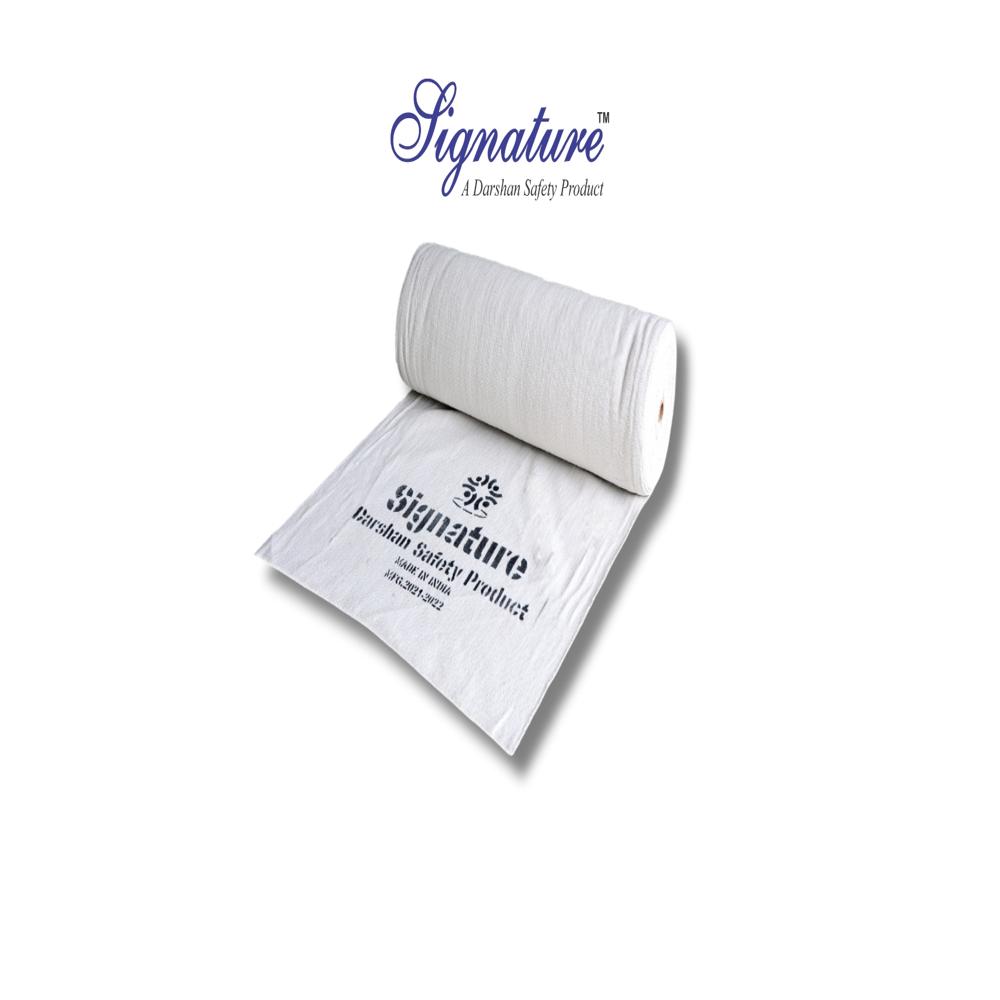
Signature Ceramic Fiber Fabric DSZCF3.0 Extreme High-Temperature Protection
Key Features:
-
Woven from premium alumina-silica fibers, mechanically needled for enhanced tensile strength and surface integrity
-
Strong, lightweight, and flexible fabric available in multiple thicknesses, widths, and lengths
-
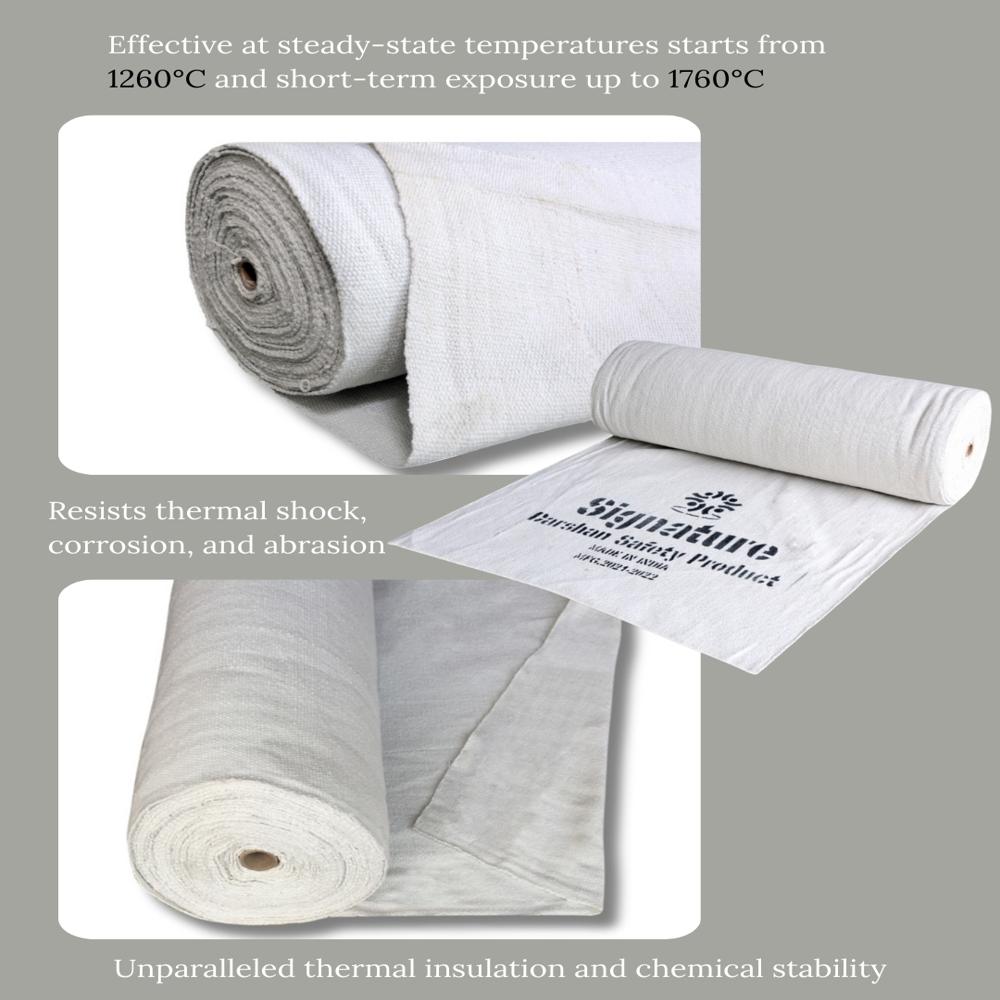
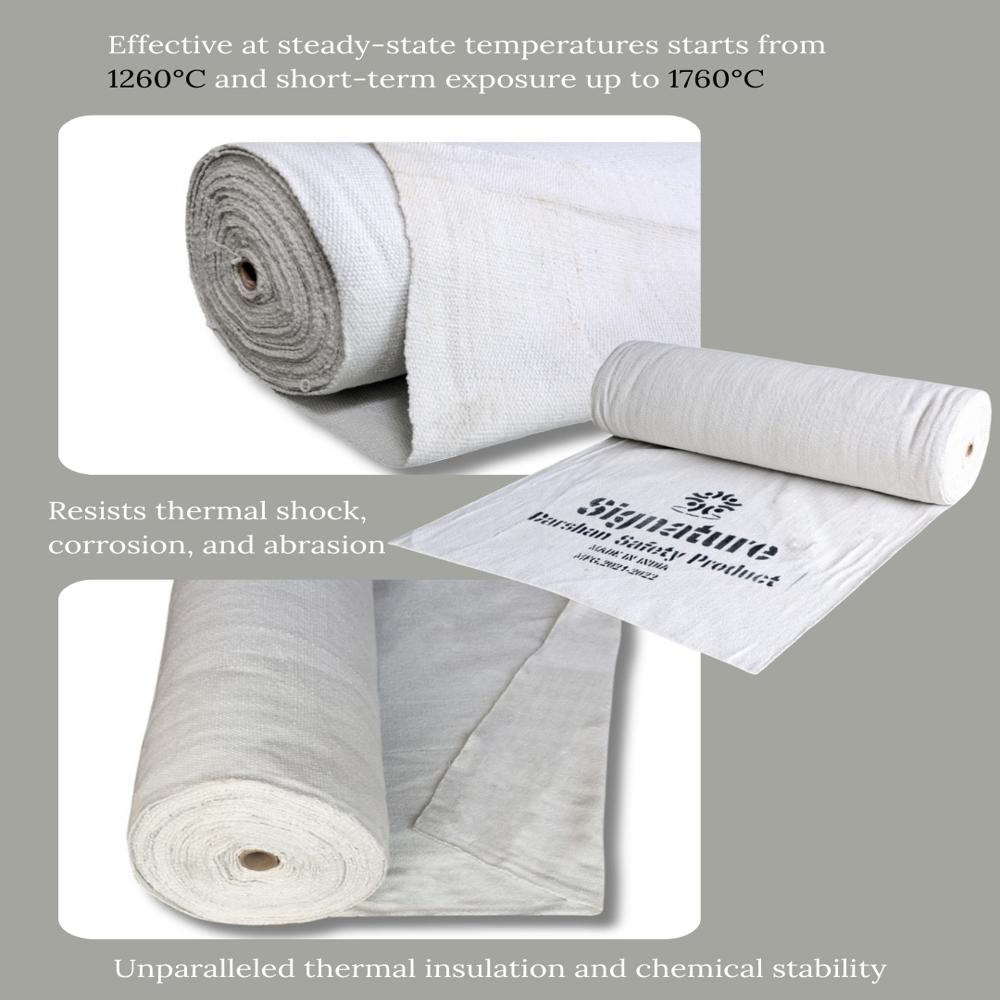
Operates at 1260 C continuous with short-term resistance up to 1760 C
-
Reinforced with fiberglass filament and optional Inconel/alloy steel wire
-
Maintains stability without deterioration or cristobalite formation
Technical Specifications:
-
Thickness: 2.0 mm, 3.0 mm, 4.0 mm
-
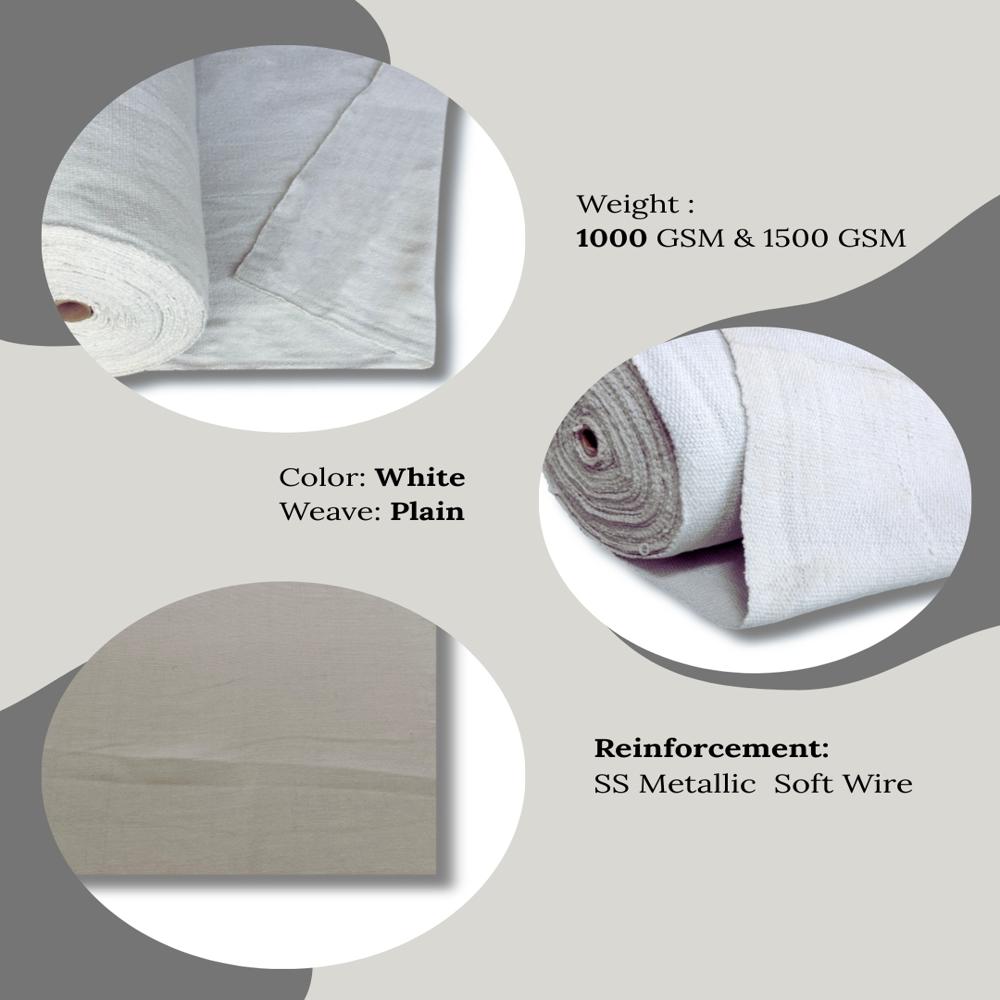
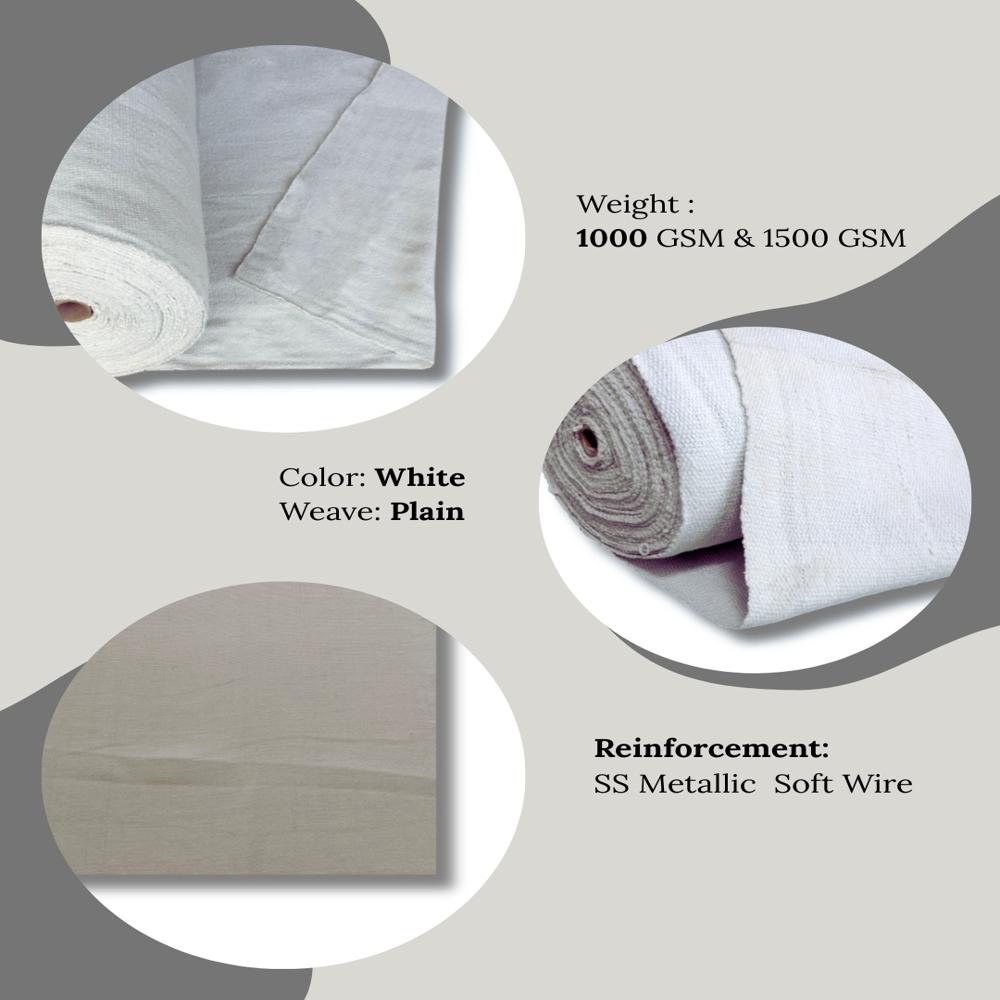
Weight: 1000 GSM & 1500 GSM
-
Size: 1 m 30 m
-
Color: White
-
Weave: Plain
-
Reinforcement: SS Metallic Soft Wire
-
Conductive: Yes
-
Melting Point: 1760 C
Applications:
-
Heat shields for aircraft, spacecraft, and missile systems
-
Thermal protection in propulsion units and defense systems
-
High-temperature insulation for pipes, ducts, furnaces, kilns, reactors, and vessels
-
Thermal management in energy storage systems (batteries, fuel cells)
-
Protection in metal casting, glass manufacturing, and chemical processing
Benefits:
-
Exceptional thermal insulation and chemical stability
-
Resistant to thermal shock, corrosion, and abrasion
-
Ideal for continuous high-temperature use in harsh environments
-
Reduces heat loss and energy consumption
-
Provides reliable protection for equipment, components, and personnel
Industry Use:
-
Aerospace & Defense
-
Power Generation & Energy Storage
-
Chemical & Petrochemical Processing
-
Industrial Heat Shields & Thermal Protection
-
High-Temperature Refractory Applications
#SignatureCeramicFiberFabric #CeramicFiberCloth #HighTemperatureFabric #ThermalInsulation #IndustrialSafety #AerospaceMaterials #EnergyStorageSafety #RefractoryInsulation #HeatShield
Exceptional Thermal ResistanceEngineered to endure temperatures up to 1300C, this ceramic fabric provides outstanding defense in high-heat environments. Its dense 3.0 mm thickness and 1100 GSM weight reinforce its durability and efficacy, making it a trusted protection layer during intense welding operations.
Versatile Industrial ApplicationsThis fabric is not limited to welding safety; its also ideal for various heat shielding applications in industries like foundries, automotive, and manufacturing. Its flat, uncoated surface allows effortless adaptation to different safety blanket requirements, making it a practical choice for diverse industrial needs.
Reliable Quality for Professional UseSourced from reputable dealers, distributors, and manufacturers in India, our ceramic fabric adheres to stringent quality standards. The products specificationconsistent density and uniform thermal conductivityensures effective protection and usability across all recommended applications.
FAQs of High Temperature Resistant Ceramic Fabric:
Q: How is this ceramic fabric used for welding safety?
A: The ceramic fabric acts as a protective safety blanket, shielding individuals and surrounding equipment from sparks, heat, and molten metal during welding operations. Its high temperature resistance makes it especially suitable for industrial environments.
Q: What are the key benefits of using ceramic fiber fabric?
A: Ceramic fiber fabric offers high thermal resistance (up to 1300C), low thermal conductivity, and robust strength at only 3.0 mm thicknessmaking it effective for preventing burns, fire hazards, and equipment damage in workplaces.
Q: When should this ceramic fabric be used?
A: This fabric should be utilized during any welding or heat-intensive activity where theres a risk of thermal exposure. Its particularly recommended in workplaces handling temperatures near or above 1000C for added safety.
Q: Where can this ceramic fabric be installed or applied?
A: It can be used in various settings, including workshops, manufacturing plants, automotive repair shops, and foundries. Its especially valuable anywhere workers require thermal protection or equipment needs heat shielding.
Q: What is the manufacturing process involved?
A: The fabric is produced by weaving high-quality ceramic fibers using advanced techniques, resulting in a dense, uniform, and durable flat sheet without additional coatings to maintain its heat resistance and flexibility.
Q: How does its thickness and GSM contribute to its performance?
A: At 3.0 mm thickness and 1100 GSM, the fabric offers significant structural integrity and insulation, enhancing its ability to withstand prolonged high-temperature exposure while remaining manageable and flexible for different applications.


 Send Inquiry

 Product Video




 English
 Spanish
 French
 German
 Italian
 Chinese (Simplified)
 Japanese
 Korean
 Arabic
 Portuguese



 Send Inquiry
 Send SMS