Product Description
Key Features:
-
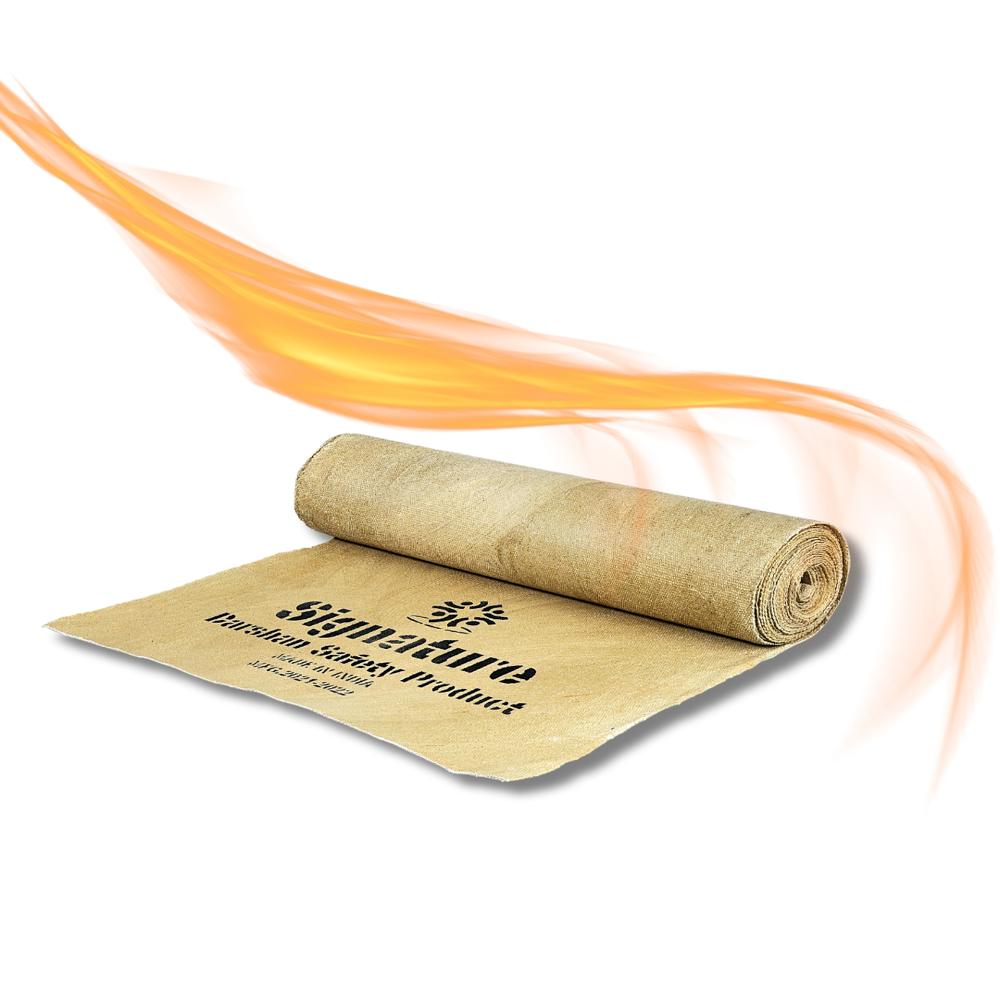
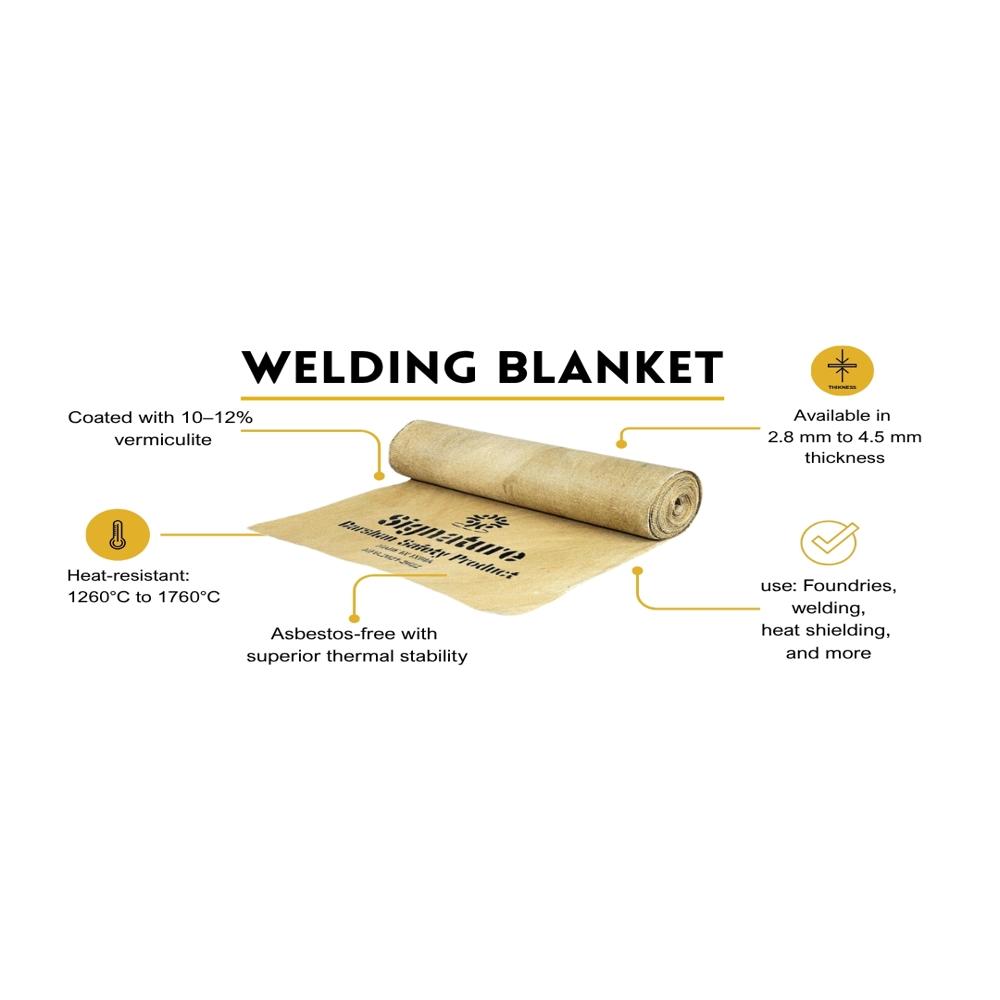
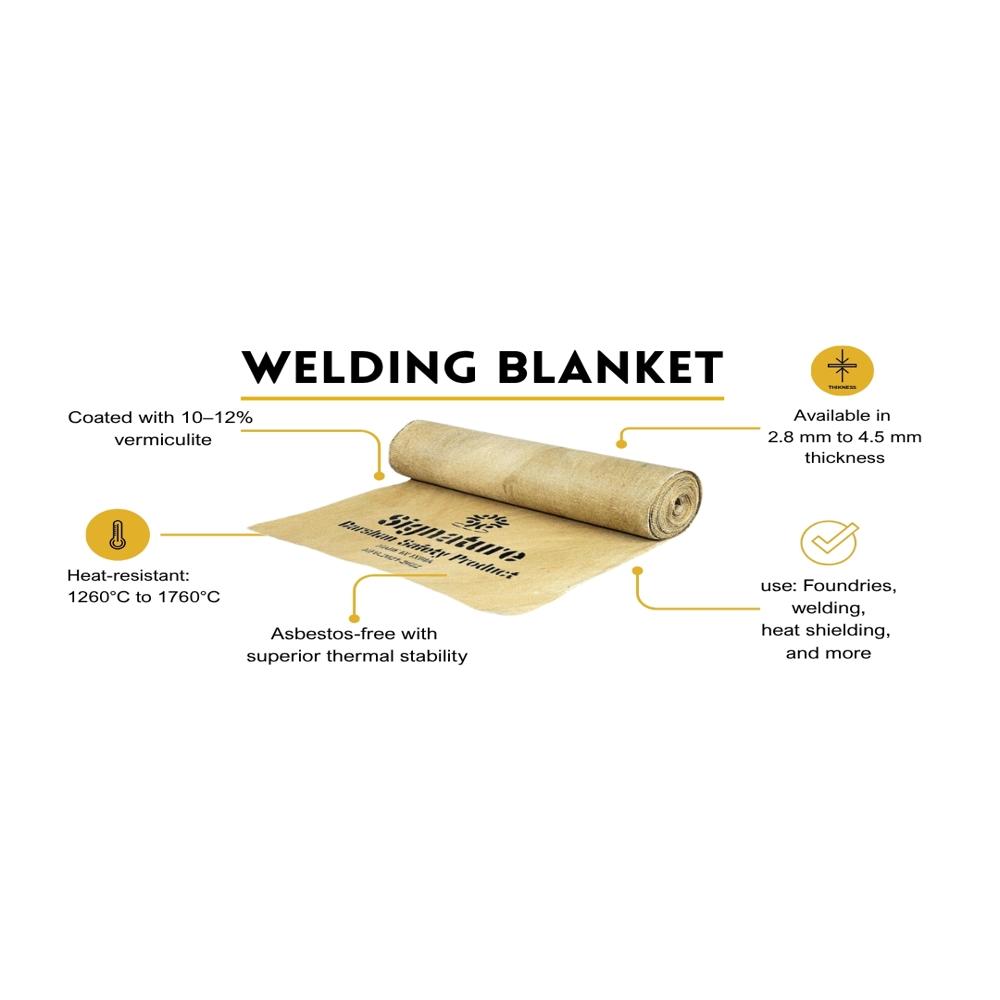
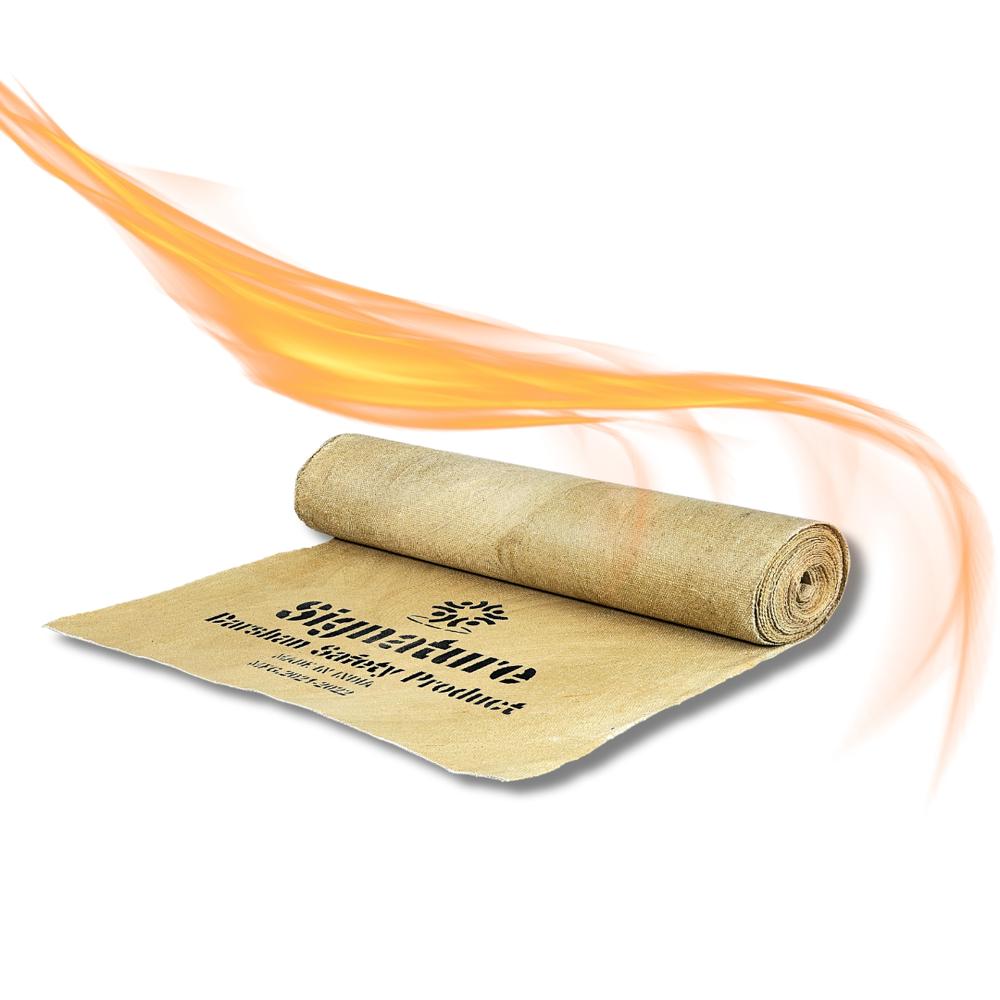
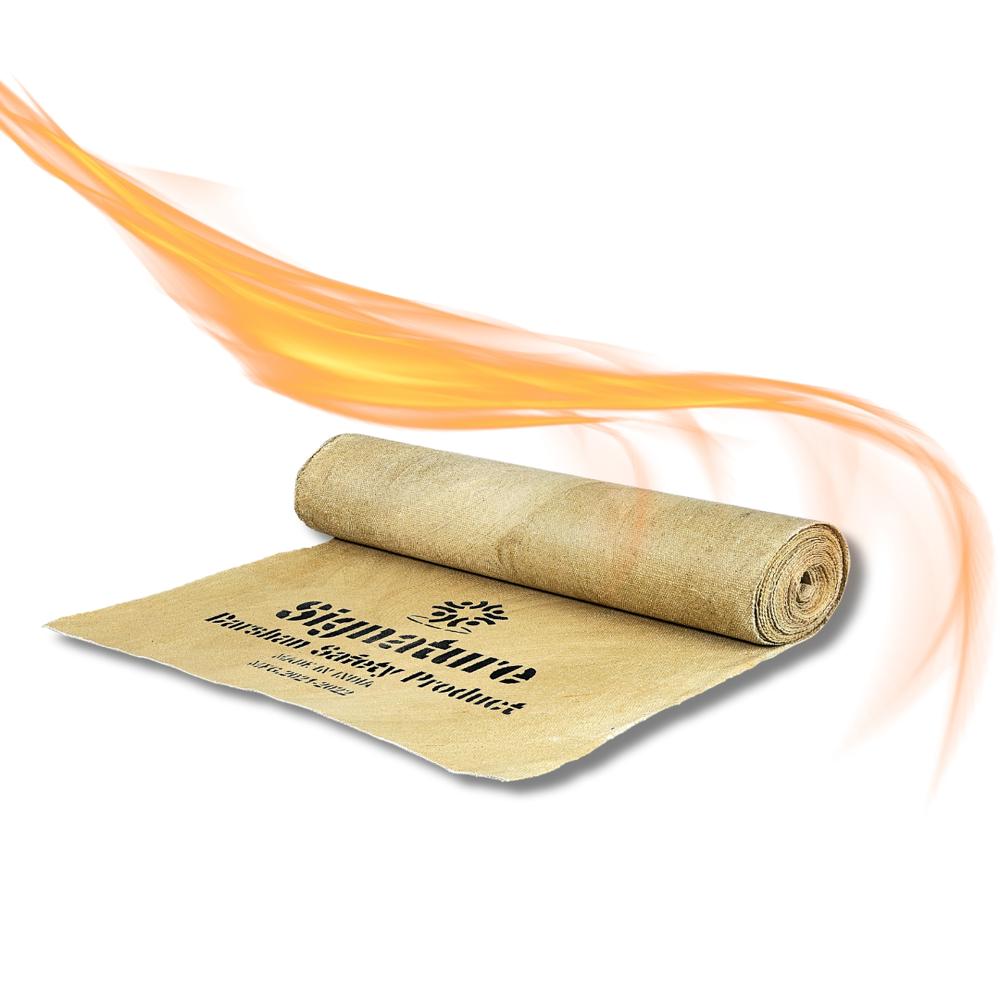
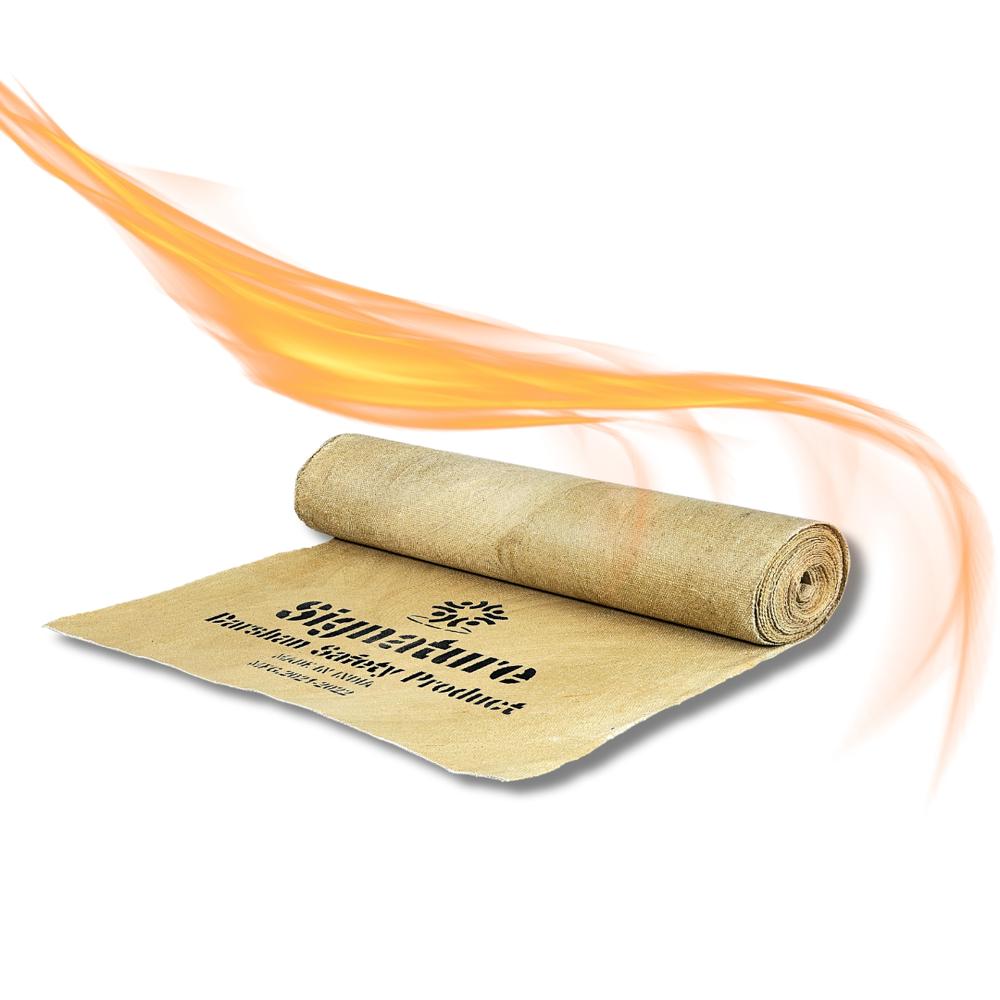
High vermiculite content (1012%) for superior slag collection
-
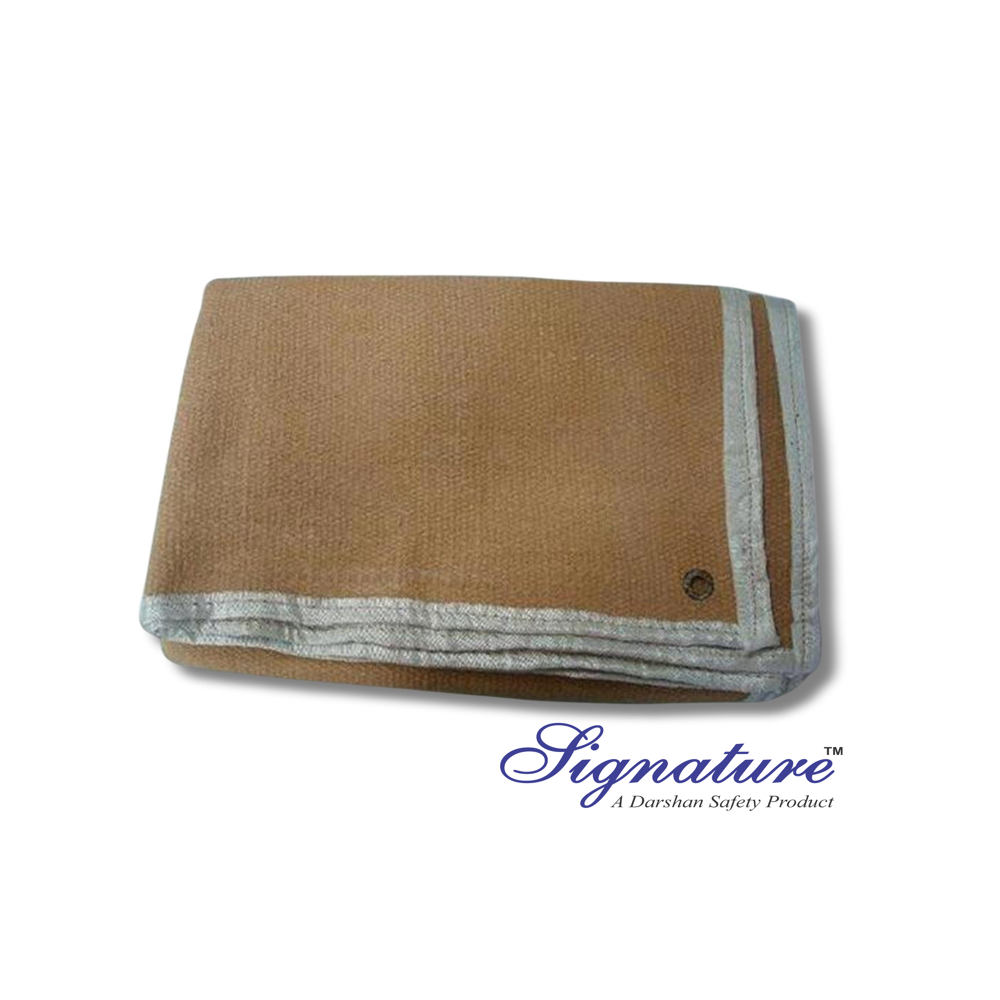
Ceramic fiber plain weave with SS soft wire reinforcement
-
Vermiculite coating for extreme heat resistance
-
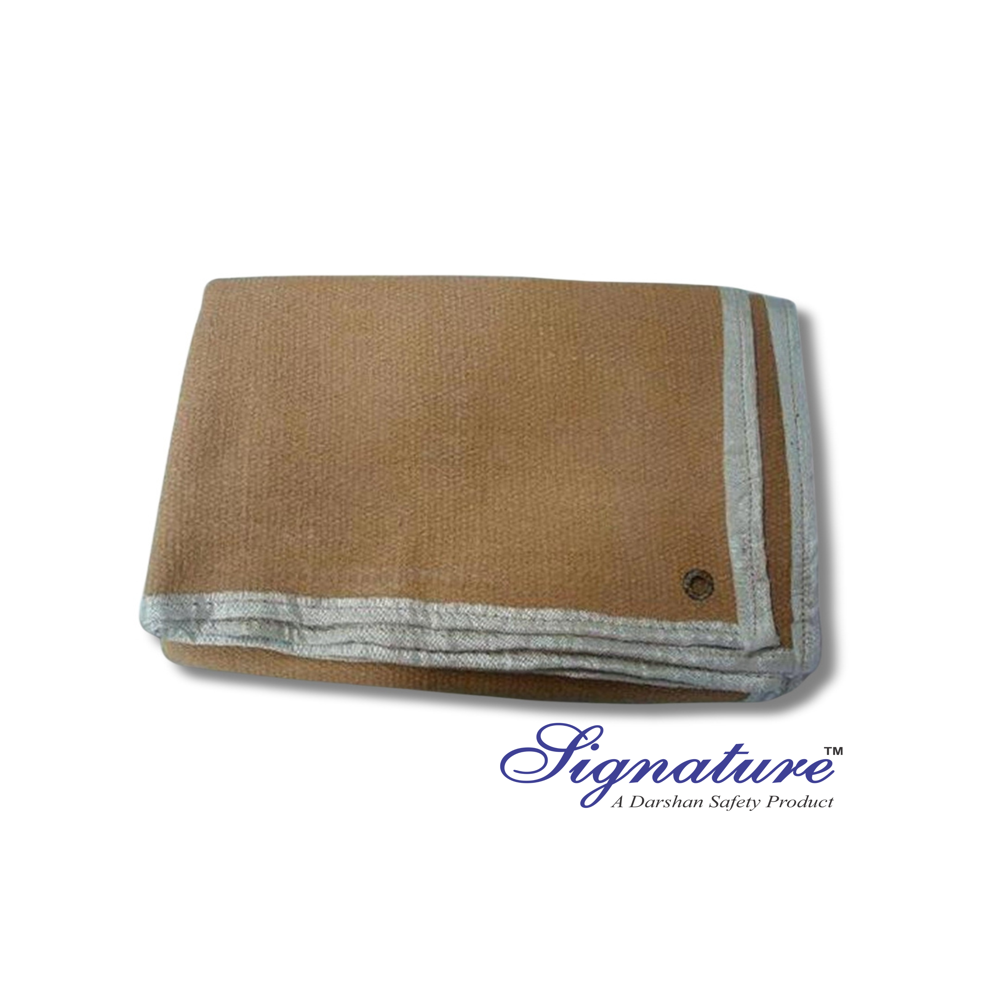
Edges stitched with fiberglass tape for durability
-
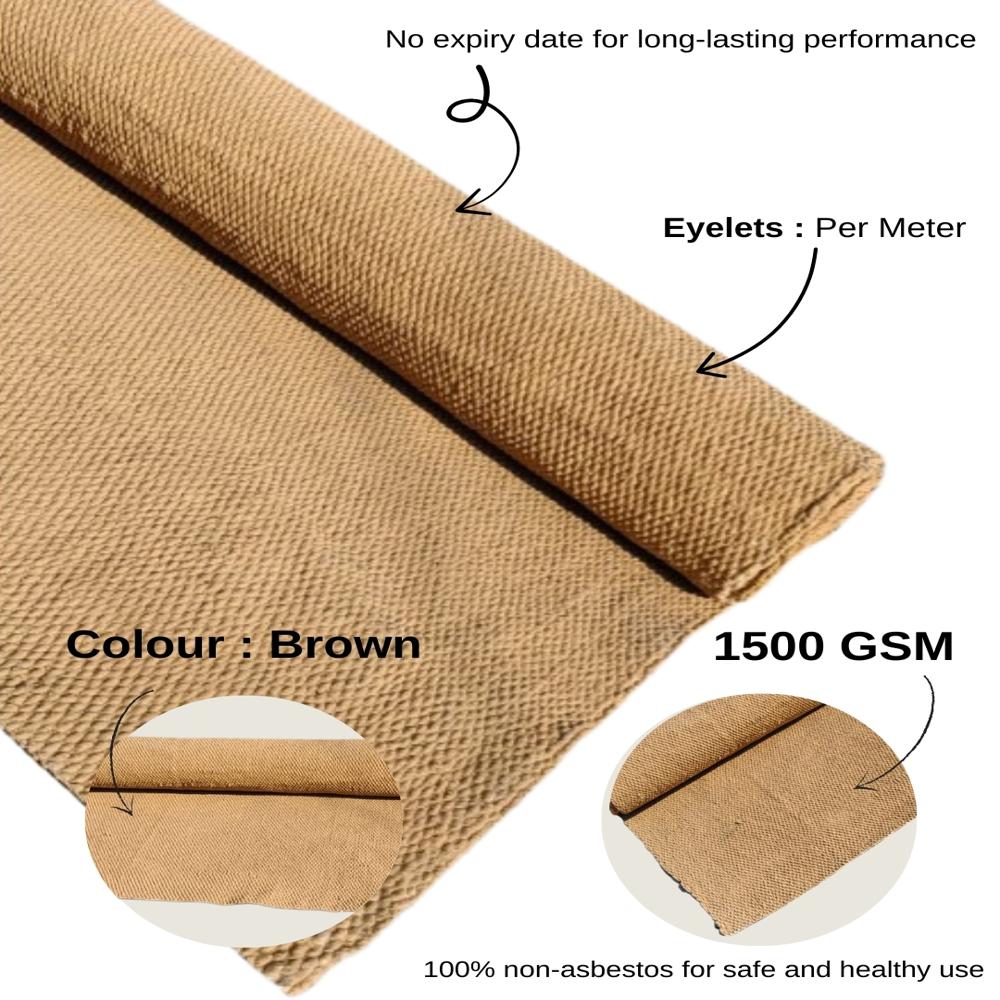
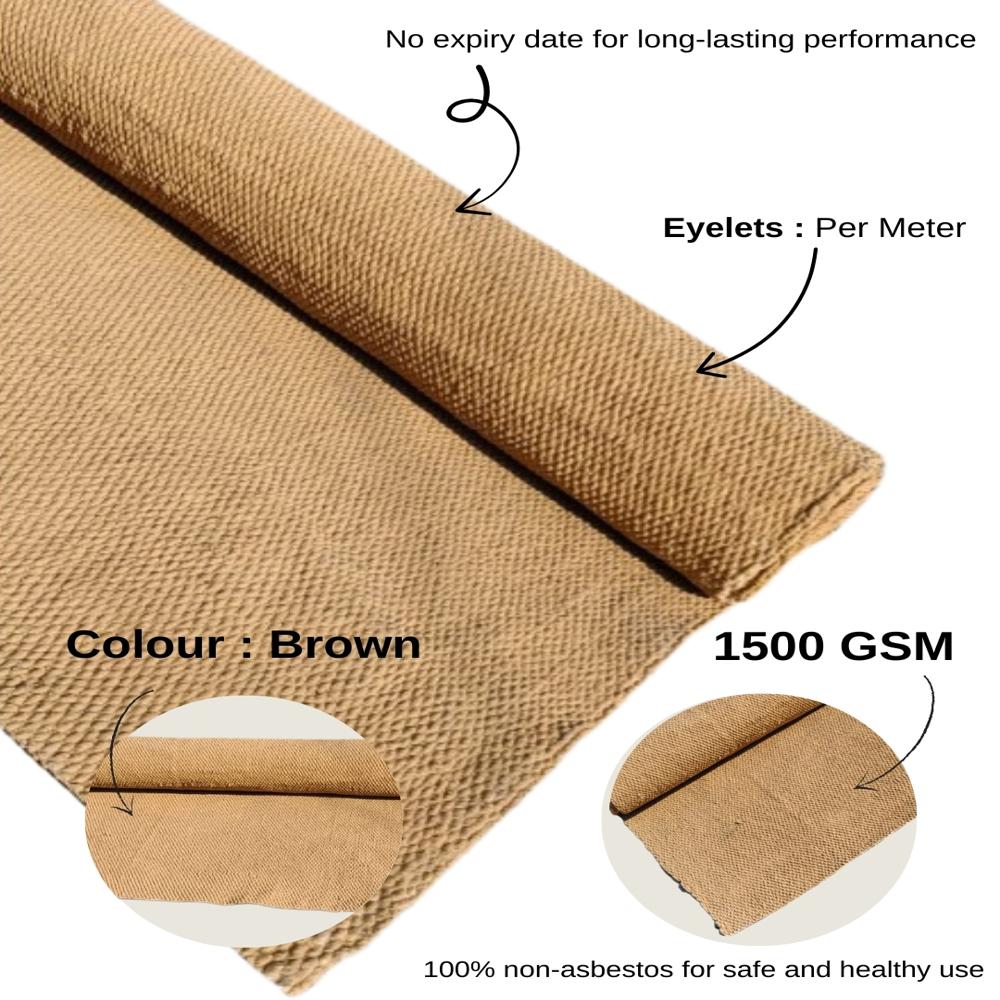
Eyelets per meter for easy installation
-
Custom sizes available for industrial needs
Technical Specifications:
-
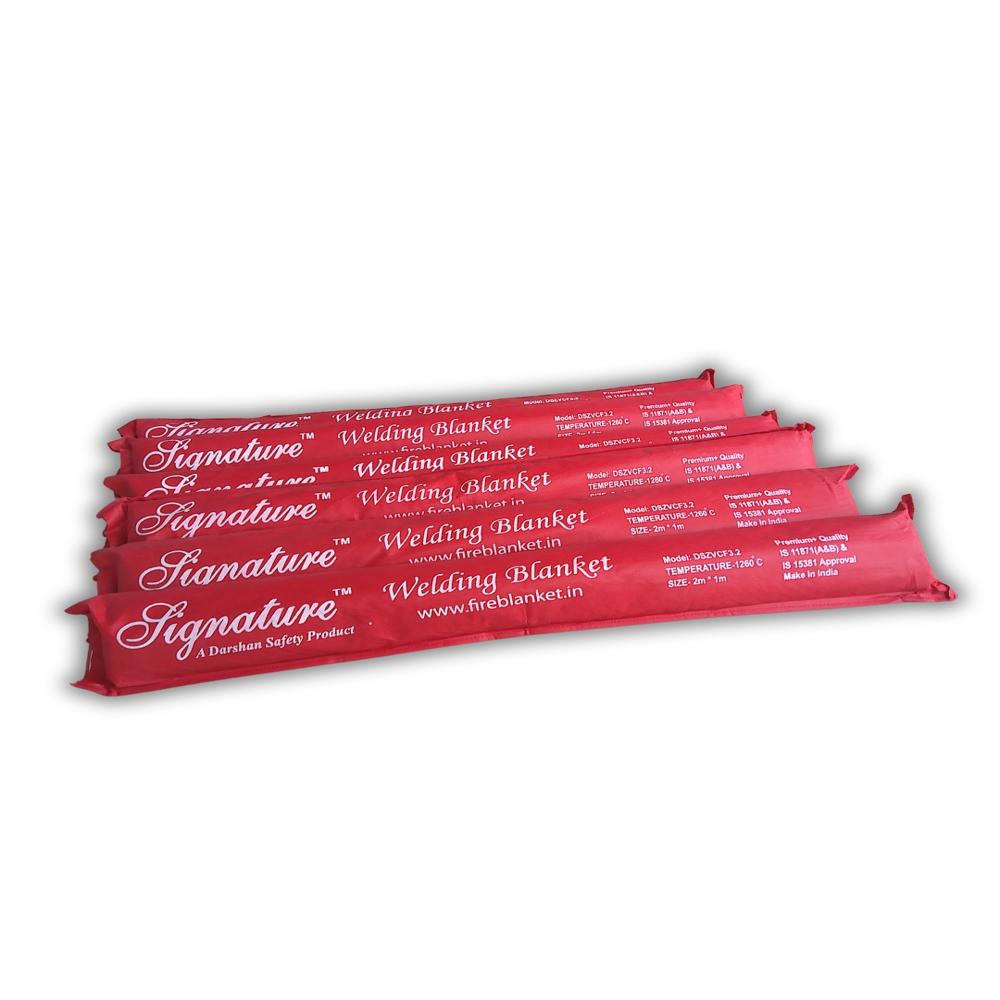
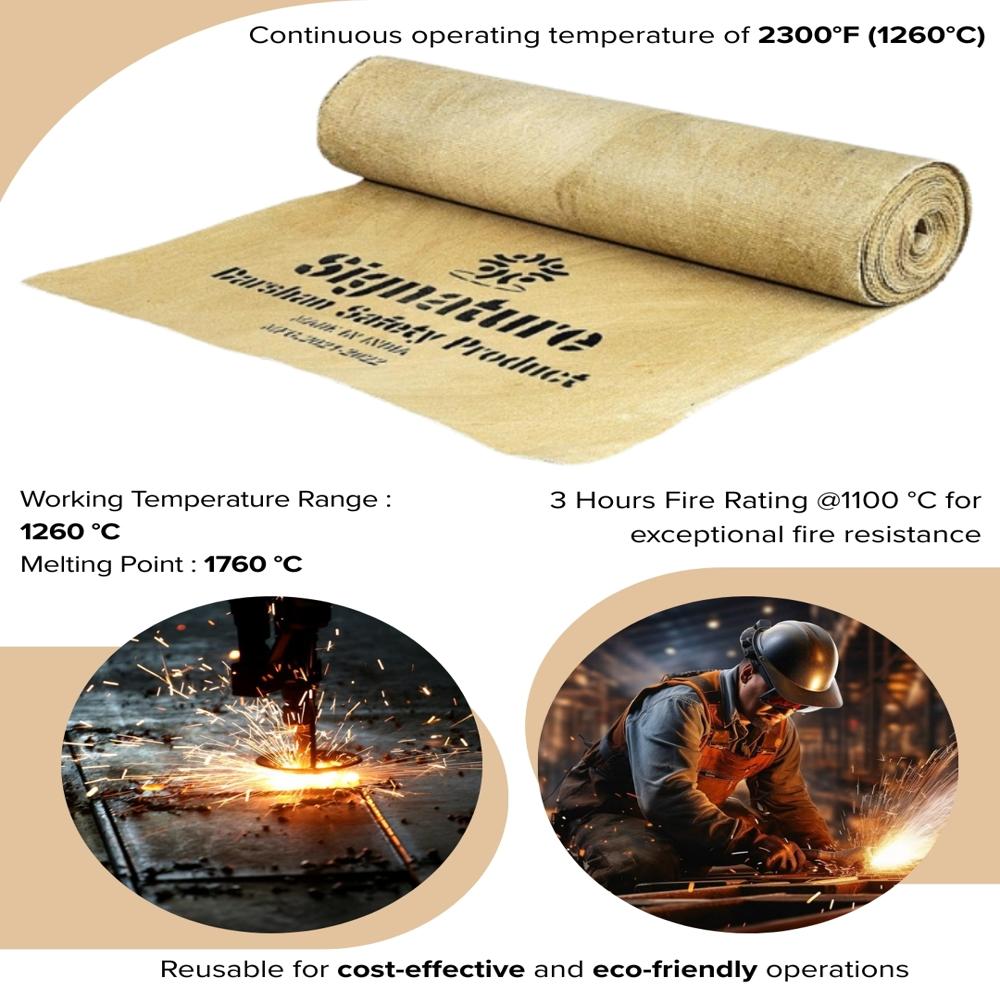
Weight: 1500 GSM
-
Thickness: 3.2 mm 0.05 mm
-
Colour: Brown
-
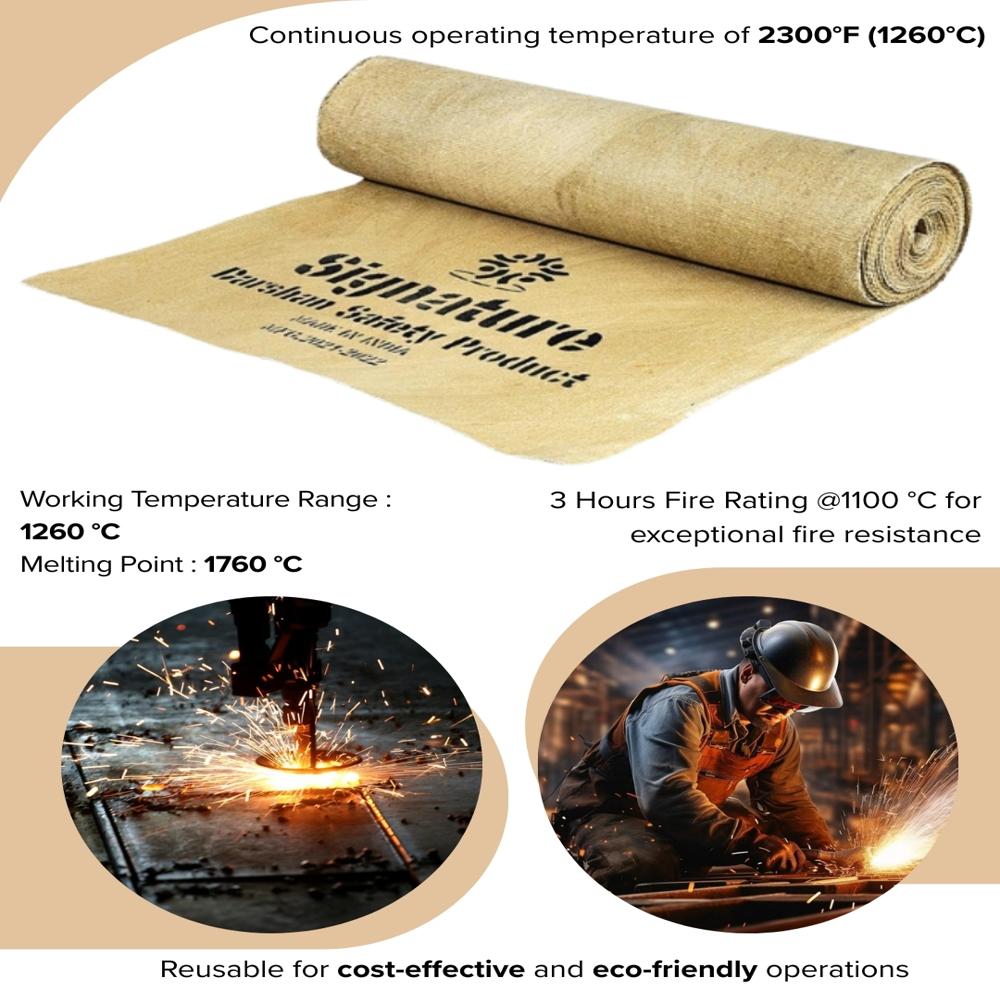
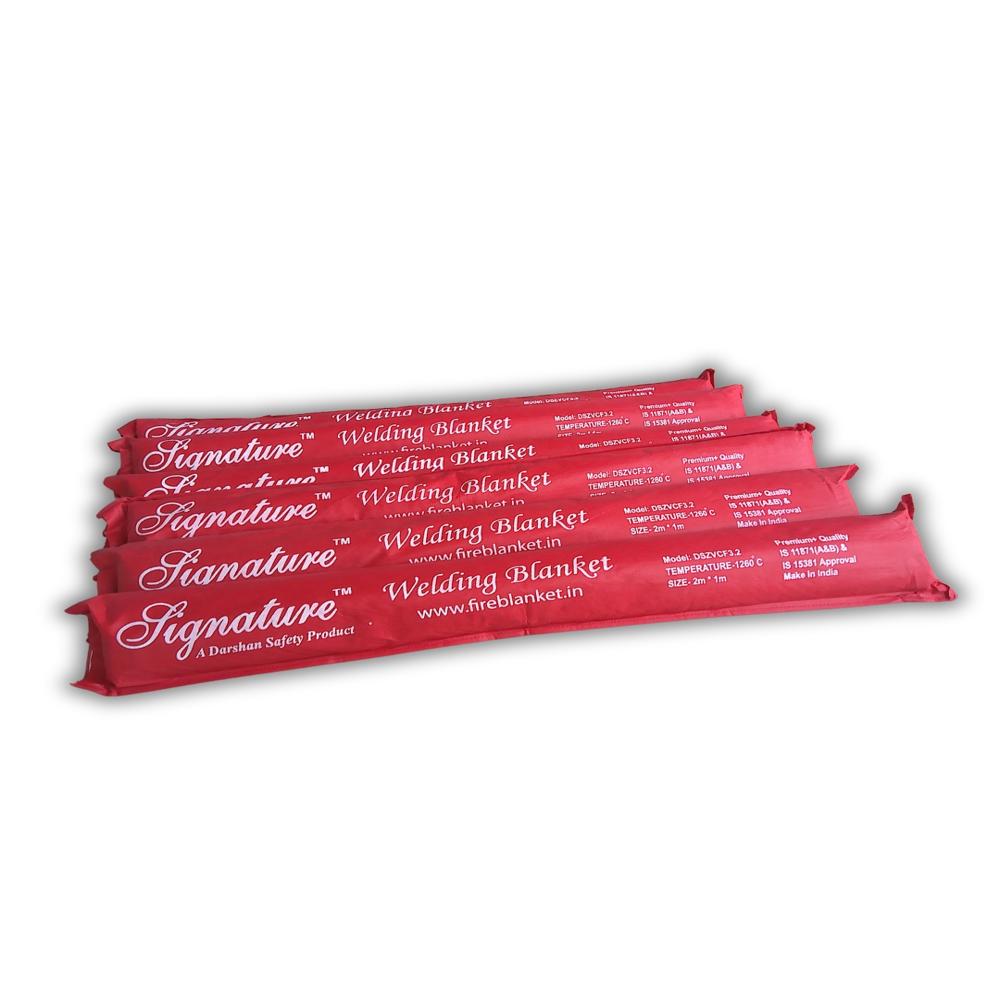
Working Temperature: Up to 1260 C
-
Melting Point: 1760 C
-
Standards: IS 15381, IS 11871 (Method A & B)
Applications:
-
Welding & cutting protection
-
Molten metal slag collection
-
Heat & fire shielding
-
Industrial safety covers
-
High-temperature insulation
Benefits:
-
Reliable asbestos-free alternative
-
Reinforced for long-lasting performance
-
Withstands extreme industrial conditions
-
Easy handling and installation
-
Customizable for diverse applications
#WeldingBlanket #FireSafety #IndustrialSafety #HeatResistant #CeramicFiber #VermiculiteBlanket #MoltenMetalProtection #HighTemperatureSafety #DSZ #SafetyFirst
Technical Details 
Exceptional Thermal ResistanceThis ceramic cloth, coated with vermiculite, is engineered to excel in high-temperature environments up to 1260C. It is perfect for use in factories, workshops, and industrial sites where heat protection and fire safety are essential. The materials resilience ensures it remains effective even under persistent heat exposure.
Durable and Reusable SolutionDesigned for longevity, the cloth offers remarkable resistance to wear, thanks to its vermiculite coating and strong ceramic base. Its sturdy construction makes it reusable and cost-effective, reducing the need for frequent replacements, making it an economical choice for demanding operations.
Enhances Workplace SafetyWith excellent fire and heat shielding properties, this product significantly boosts safety for workers, particularly during welding or metalworking tasks. The flat surface treatment and robust tensile strength add further assurance of protective reliability in hazardous industrial settings.
FAQs of Vermaculite Coated Ceramic Cloth:
Q: How should the Vermiculite Coated Ceramic Cloth be installed for optimal performance?
A: For the best results, install the ceramic cloth flat against surfaces requiring insulation or shielding. Follow industry-standard safety procedures during installation, ensuring a snug fit with minimal gaps. Its flat treatment and robust composition simplify positioning across furnaces, boilers, or metalworking areas.
Q: What makes this ceramic cloth suitable for high-temperature industrial applications?
A: The cloth is crafted from high-grade ceramic fiber and finished with a vermiculite coating, allowing it to endure continuous temperatures up to 1000C and peak conditions up to 1260C. Its high melting point (above 1200C) and strong tensile strength make it reliable for heavy-duty heat and fire shielding.
Q: When should Vermiculite Coated Ceramic Cloth be replaced?
A: Replace the cloth if there are visible damages such as tears, severe abrasion, or signs of degradation to the vermiculite coating. Its long-lasting, reusable properties generally allow extended usage, but regular inspection is recommended to ensure ongoing effectiveness and safety.
Q: Where can this vermiculite-coated cloth be used effectively?
A: Its ideal for settings requiring robust thermal insulation and fire shielding, such as factories, industrial furnaces, and boiler rooms. The cloths properties also make it suitable for welding workshops, metalworking areas, and locations at high risk of heat or fire exposure.
Q: What are the key benefits of using this ceramic cloth in industrial settings?
A: This cloth offers exceptional thermal resistance, durability, and cost savings due to its reusability. It significantly enhances worker safety, minimizes operational downtime from fire hazards, and remains effective over long periods, reducing the need for frequent replacements.
Q: How does the vermiculite coating improve the cloths performance?
A: The vermiculite coating increases the cloths resistance to heat, abrasion, and chemical exposure, prolonging its lifespan and boosting its protective qualities. It ensures the cloth maintains structural integrity even in demanding environments.


 Send Inquiry

 Product Video




 English
 Spanish
 French
 German
 Italian
 Chinese (Simplified)
 Japanese
 Korean
 Arabic
 Portuguese


 Send Inquiry
 Send SMS
 Call Me Free