Product Description
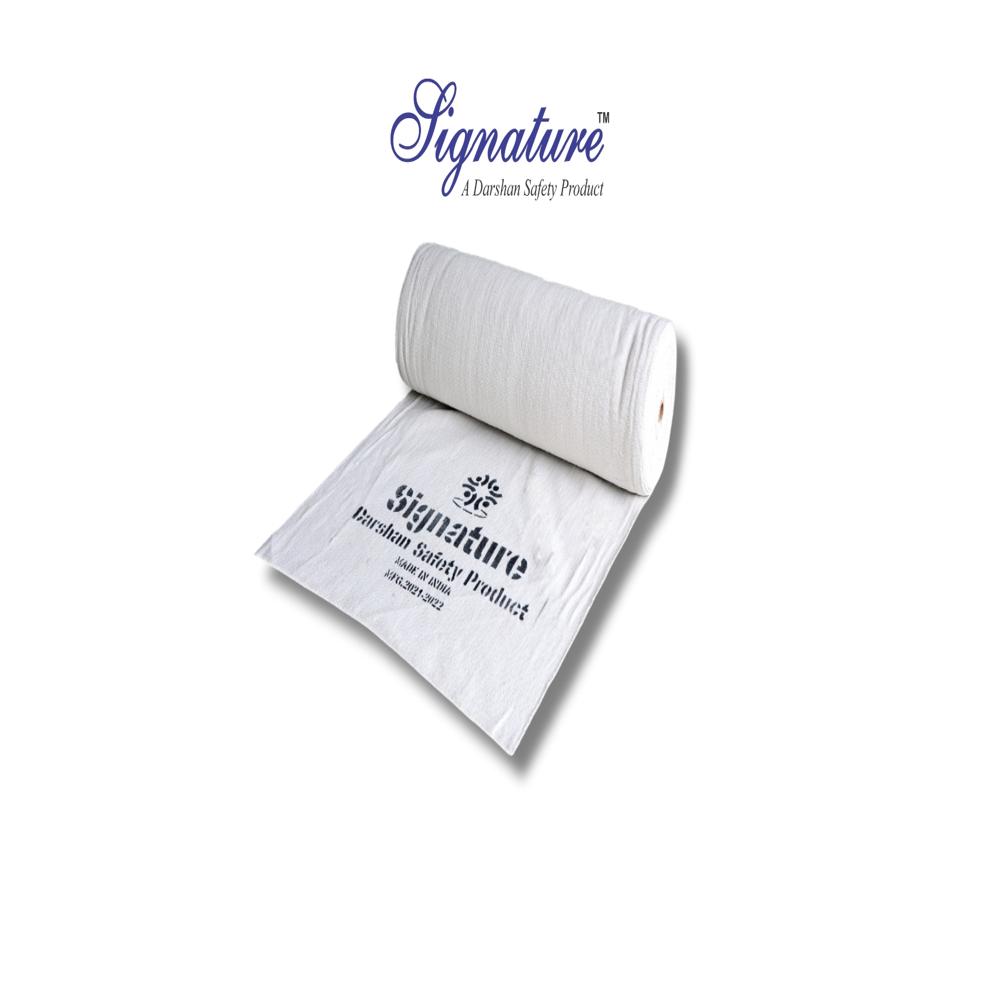
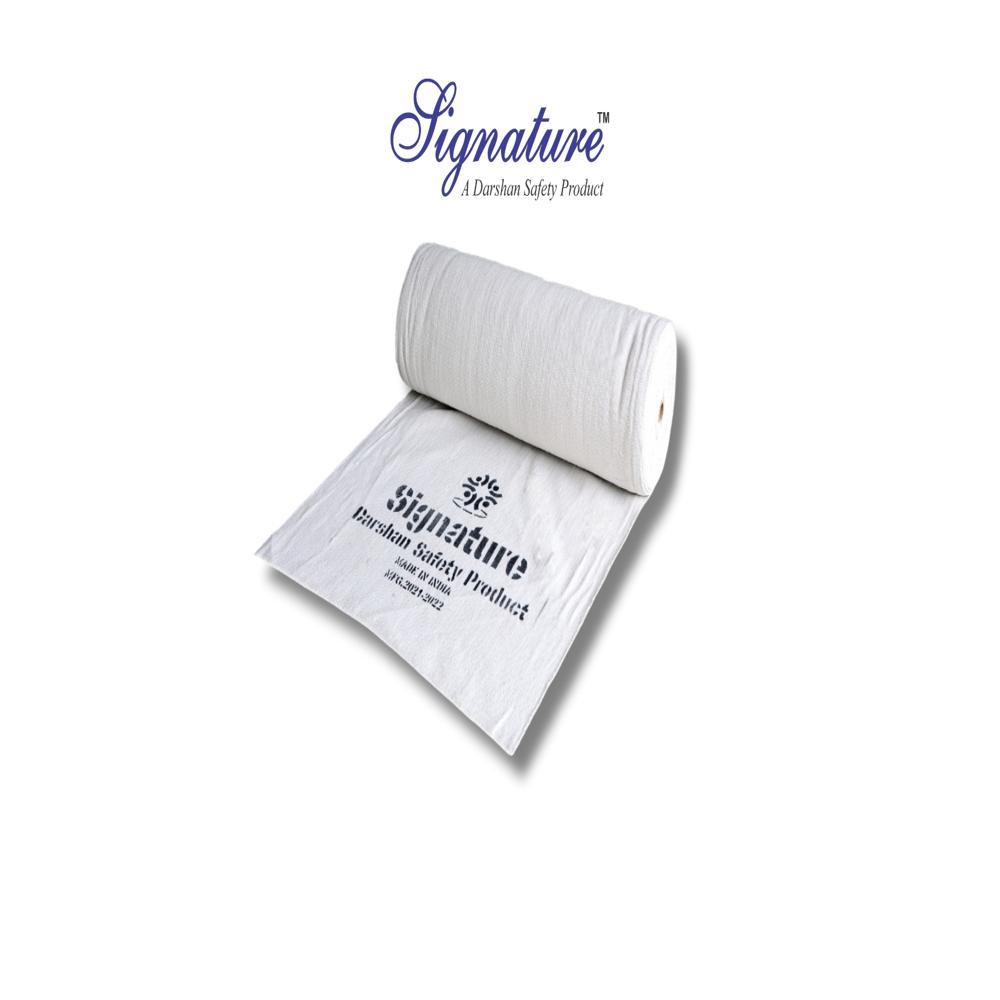
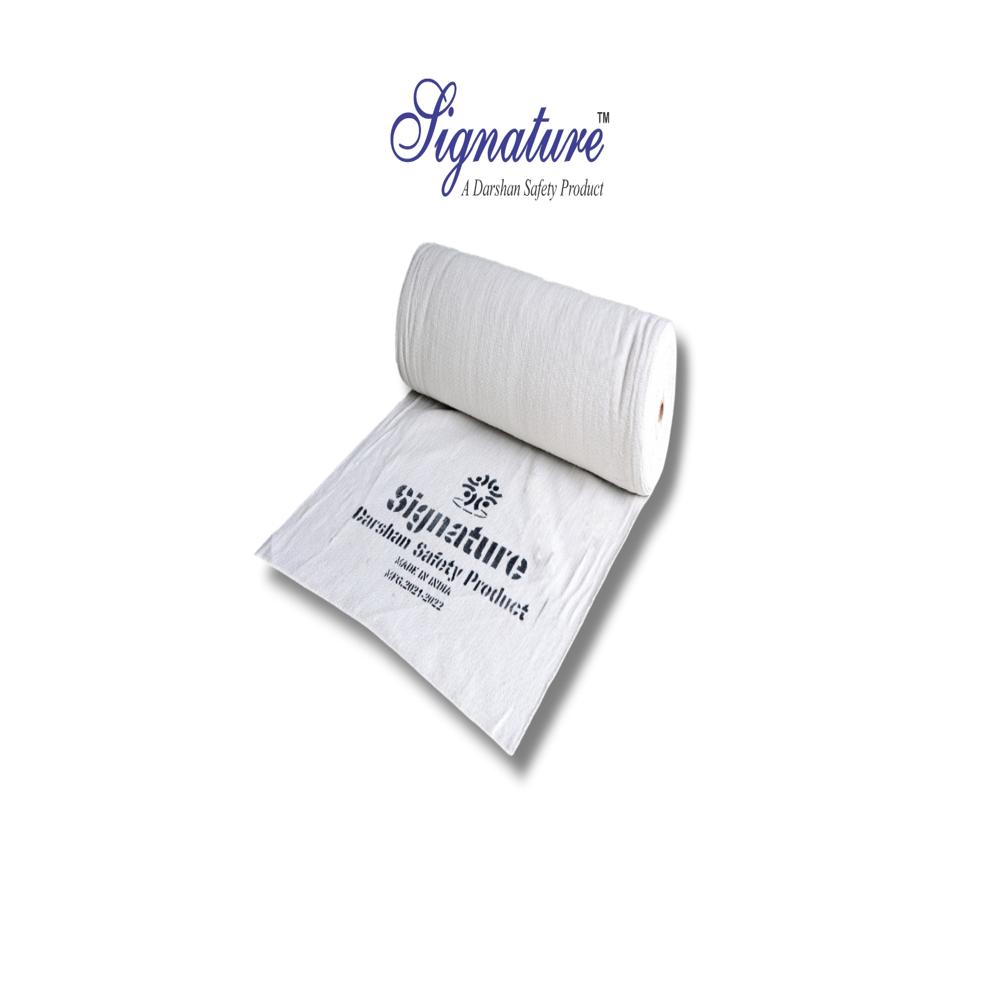
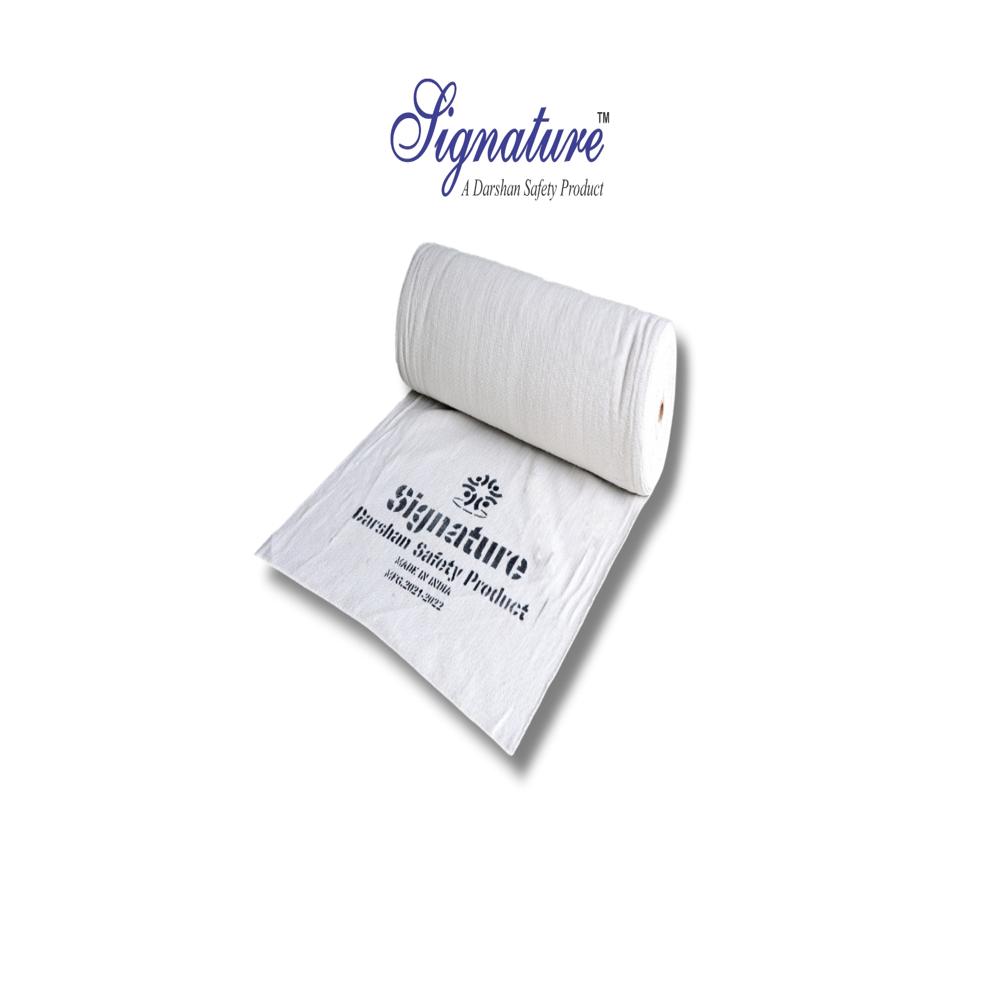
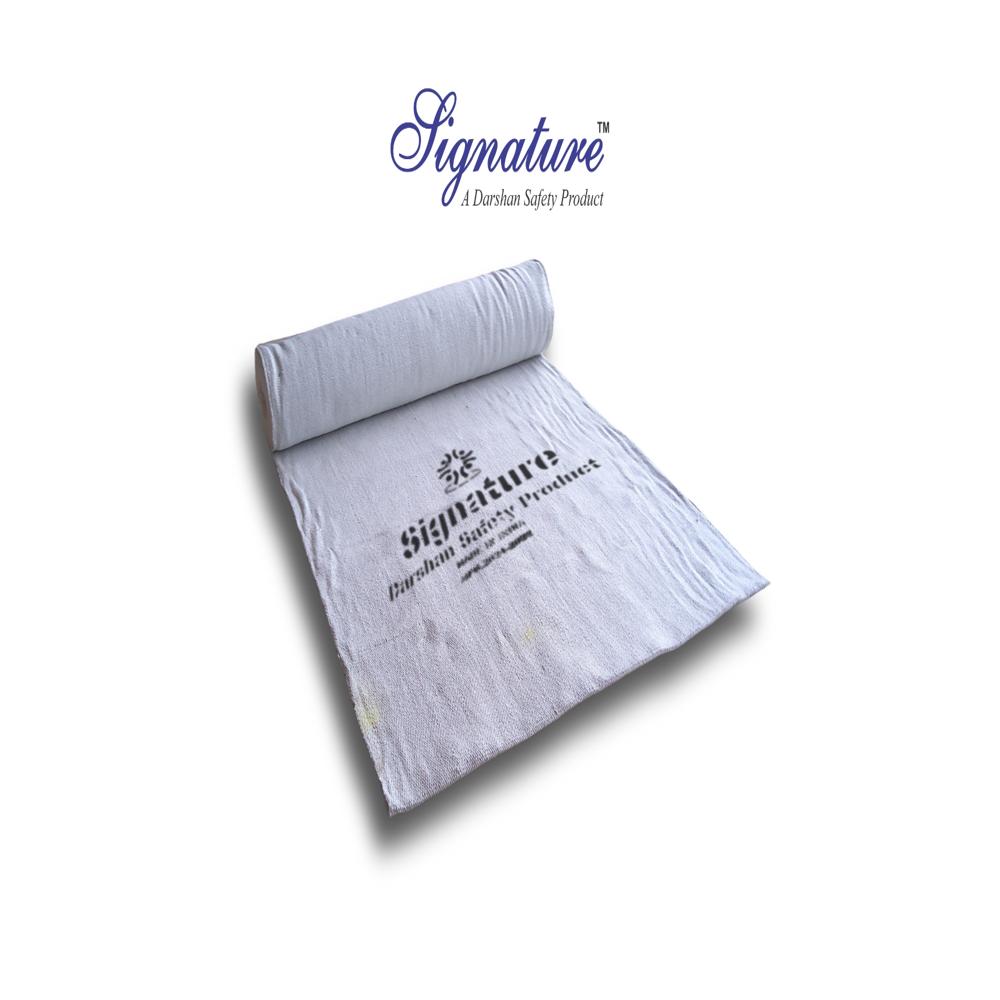
Ceramic Fiber Fabric DSZCF3.0
-
Composition: Woven from high-quality alumina-silica fibers, mechanically needled for strength and integrity
-
Reinforcement: Fiberglass filament with optional Inconel/Alloy Steel wire (SS Metallic Soft Wire standard)
-
Temperature Resistance: Continuous use 1260 C | Short-term up to 1760 C
-
Melting Point: 1760 C
-
Thickness Options: 2.0 mm | 3.0 mm | 4.0 mm
-
Weight: 1000 GSM & 1500 GSM
-
Color: White
-
Weave: Plain
-
Roll Size: 1 m 30 m
-
Conductivity: Yes
Benefits
-
Superior thermal insulation and chemical stability
-
Withstands thermal shock, corrosion, and abrasion
-
Strong, lightweight, and flexible
-
Reduces heat loss and saves energy
-
Long-lasting performance in extreme environments
Applications
-
Heat shields for aircraft, spacecraft, and missile systems
-
Thermal protection for propulsion units
-
Insulation for furnaces, kilns, reactors, pipes, and ducts
-
Power plants and energy storage systems (batteries, fuel cells)
-
Fire and heat protection for personnel and equipment
-
Metal casting and glass manufacturing
-
Industrial heat shields and refractory linings
Premium Insulation for Extreme TemperaturesEngineered from high-quality ceramic fiber, this cloth offers reliable protection against intense heat, making it suitable for environments reaching up to 1300C. Its woven construction reinforces both its thermal stability and structural integrity, ensuring durable insulation performance for industrial setups.
Versatile and Safe ApplicationWith a variety of available thicknesses and a standard width of 1 meter, this fabric adapts to many insulation requirements. Beyond welding safety, it is also useful in kilns, furnaces, and boilers. The cloths low thermal conductivity means exceptional protection for workers and equipment.
FAQs of Thermoelectric Material Ceramic Fiber Cloth:
Q: How is the ceramic fiber cloth used for heat insulation?
A: The ceramic fiber cloth is installed as a thermal barrier over surfaces requiring protection from high temperatures, such as welding stations, furnace linings, or heat shields. Its flexibility allows for easy cutting and shaping to fit various equipment and spaces.
Q: What benefits does this ceramic fiber cloth provide in industrial settings?
A: This cloth offers excellent thermal resistance, low thermal conductivity, and high durability, ensuring safety and extended lifespan for machinery and personnel in environments with extreme heat, such as welding and smelting operations.
Q: When should I use this cloth over other insulation materials?
A: This product is ideal when high-temperature resistance up to 1300C, low thermal conductivity, and flexibility for fitting around complex shapes are required, especially in welding, foundries, or furnace insulation.
Q: Where is the ceramic fiber cloth commonly applied?
A: It is widely used in industrial locations such as factories, power plants, and workshops in India for insulation in areas like welding safety zones, furnace walls, boiler exteriors, and piping systems exposed to intense heat.
Q: What is the manufacturing process of the ceramic fiber cloth?
A: The cloth is produced by weaving high-quality ceramic fibers into a flat fabric. This woven technique ensures uniform texture, strength, and heat resistance, suitable for demanding thermal insulation applications.
Q: How does the uncoated nature of the cloth affect its usage?
A: Being uncoated allows the ceramic fiber cloth to maintain maximum flexibility and ease of installation. It is ideal for applications where customization and mechanical adaptation are necessary during fitting.


 Send Inquiry





 Product Video




 English
 Spanish
 French
 German
 Italian
 Chinese (Simplified)
 Japanese
 Korean
 Arabic
 Portuguese


 Send Inquiry
 Send SMS
 Call Me Free