Product Description
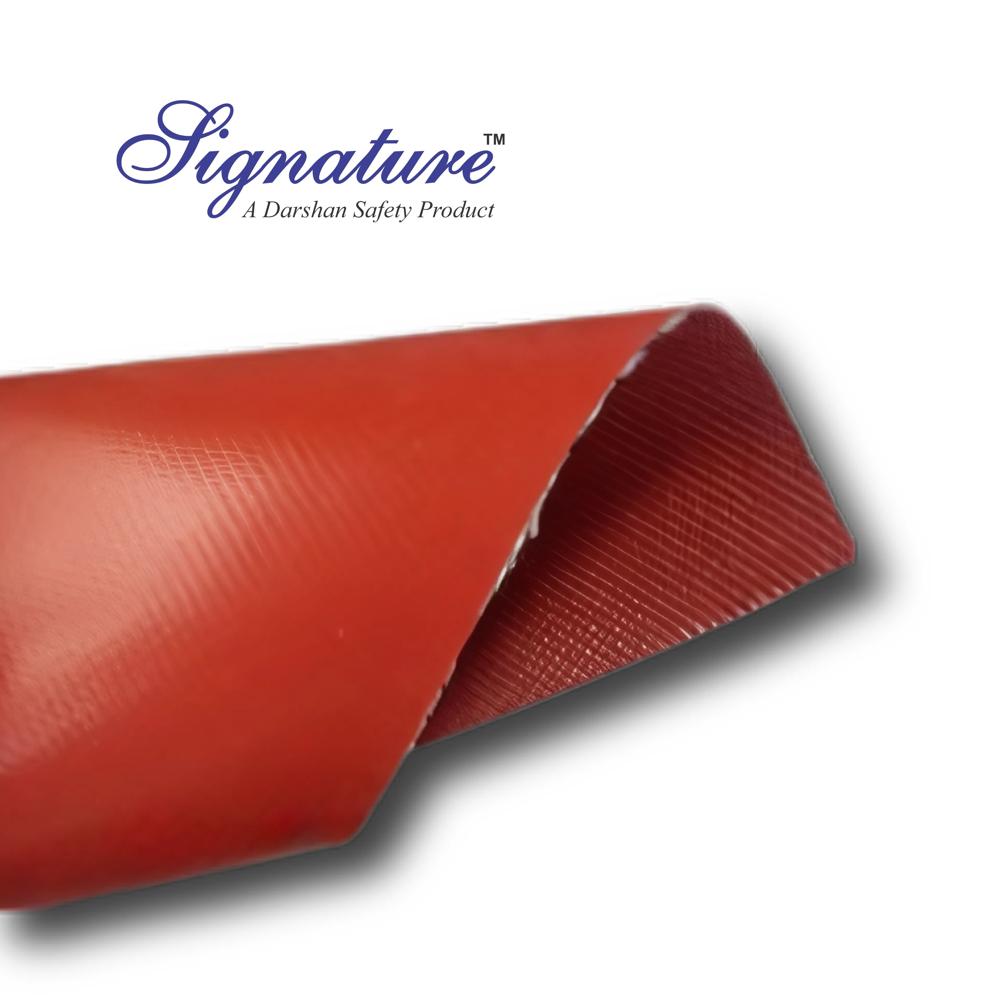
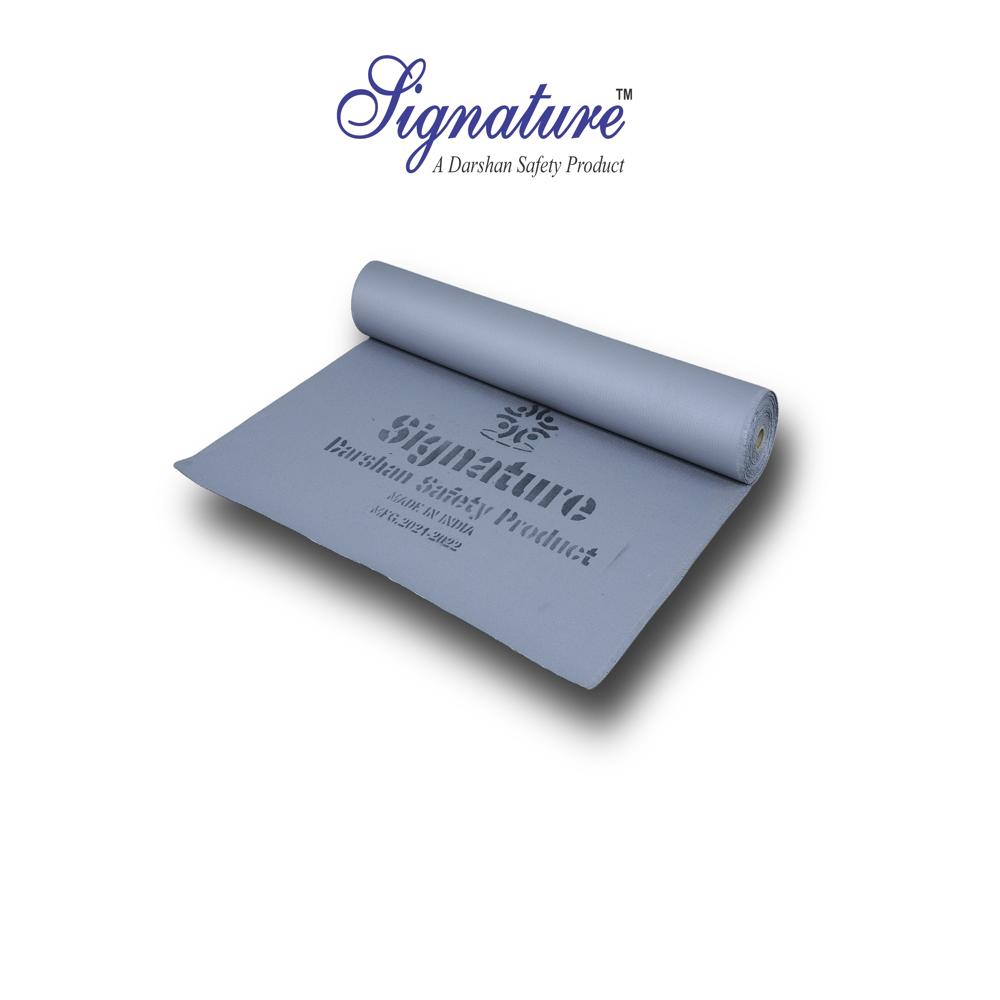
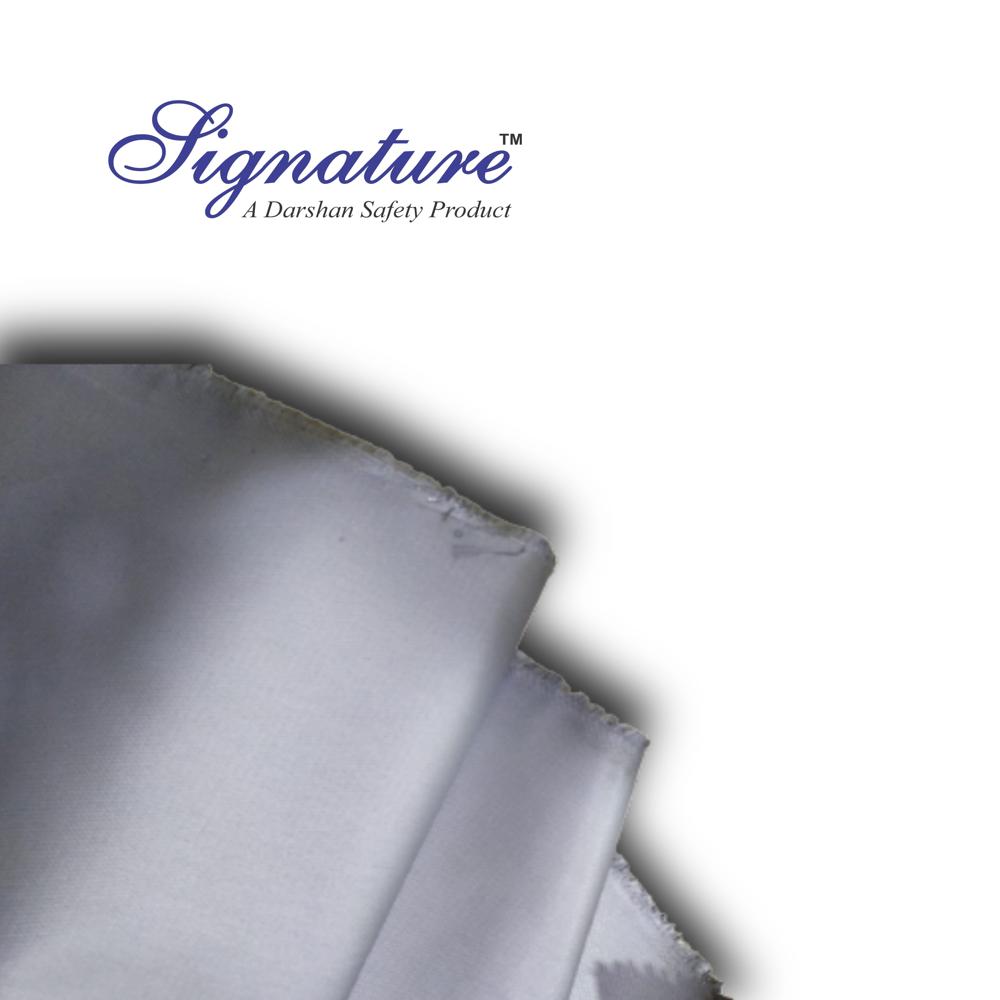
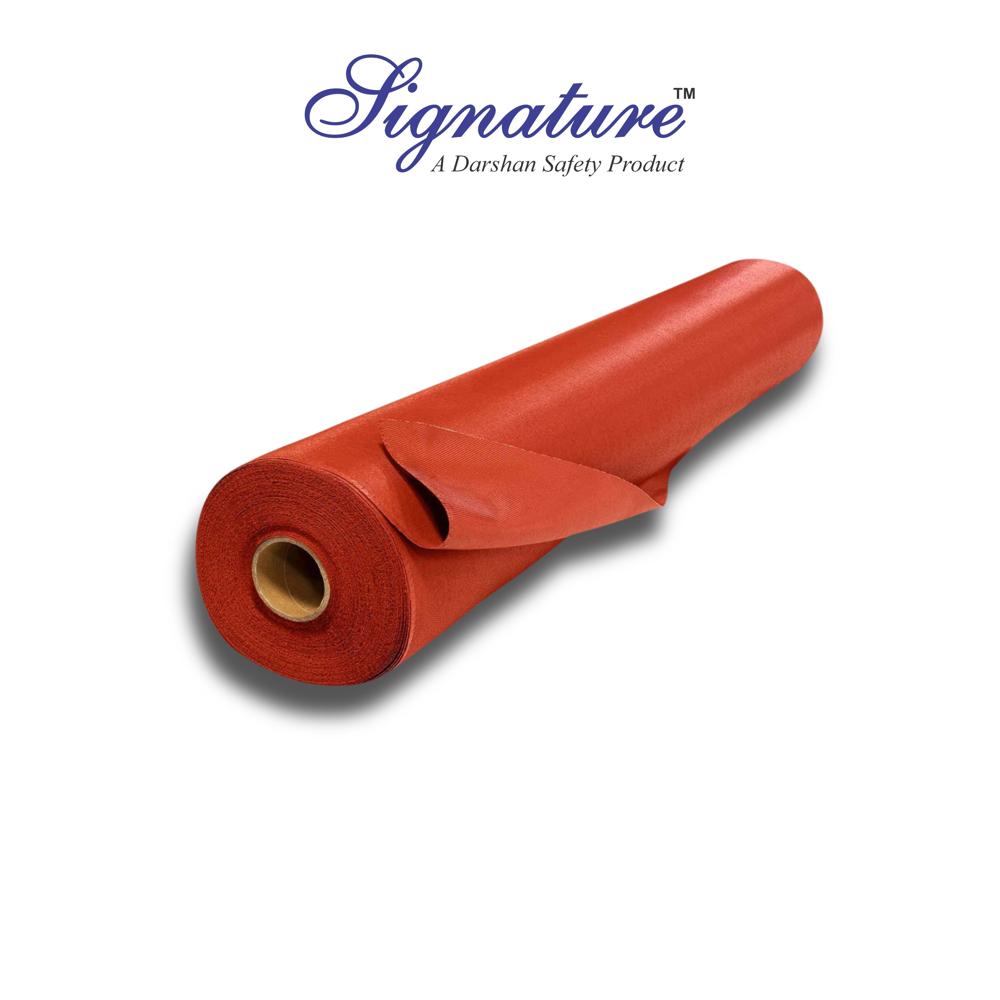
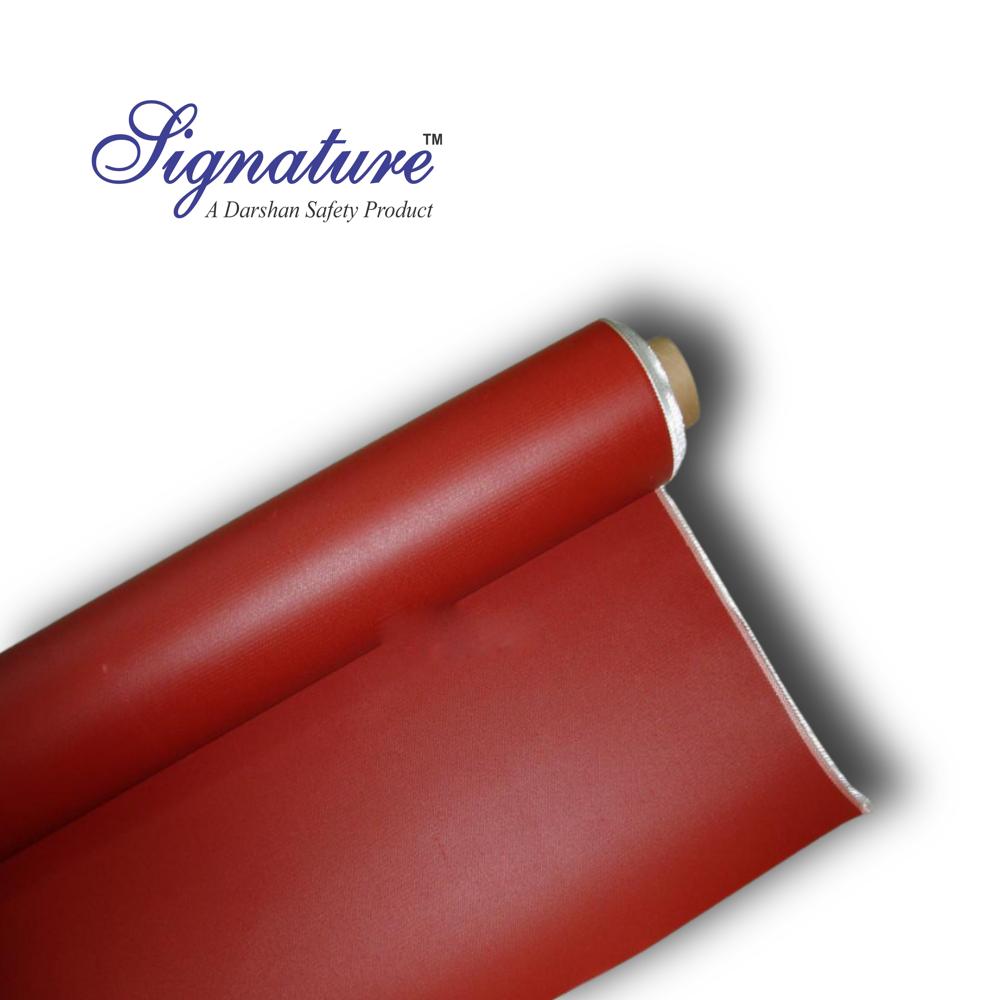
Silicon Coated Fiberglass Fabric: DSZSFG0.6
Key Features:
-
Superior heat resistance from -70 C to +650 C
-
Durable against wear, abrasion, and chemical exposure
-
Waterproof & weatherproof, suitable for outdoor and humid conditions
-
Flexible & easy to maintain with a smooth, non-stick surface
-
Cost-effective with a long service life, reducing replacement needs
Applications:
-
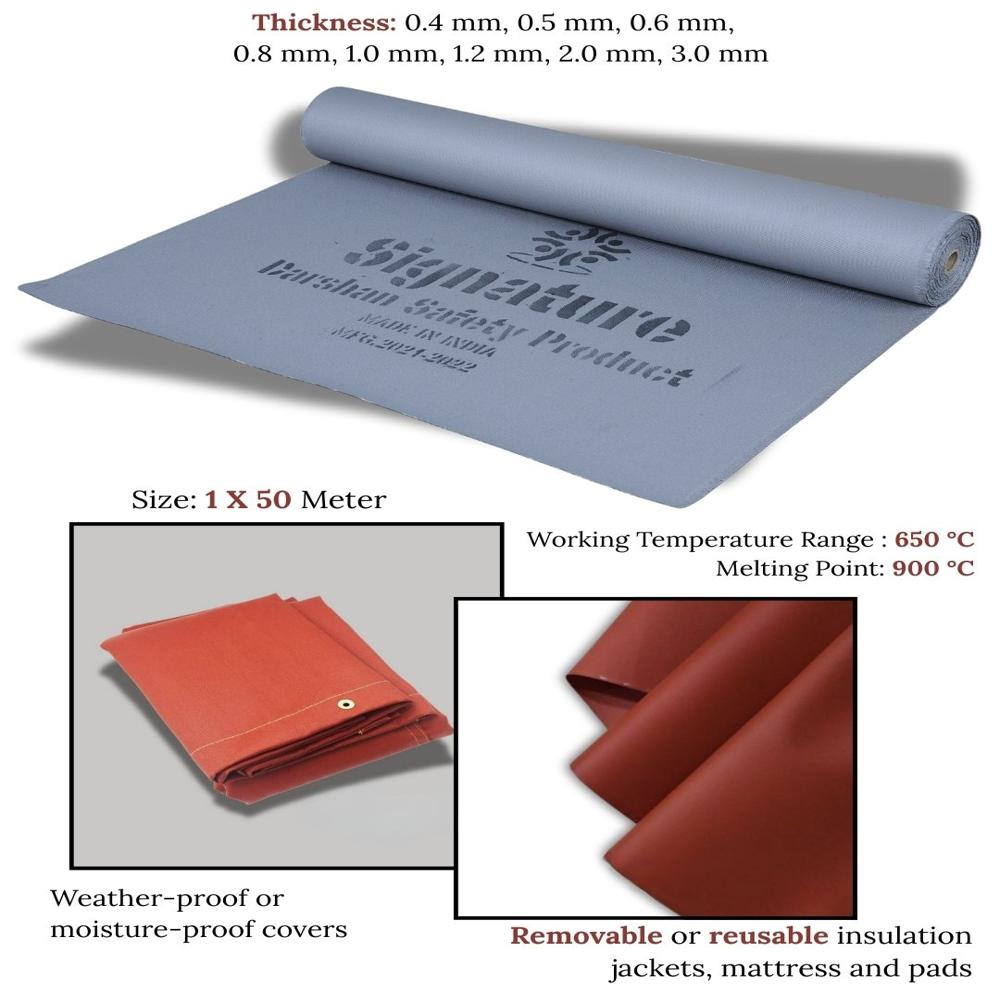
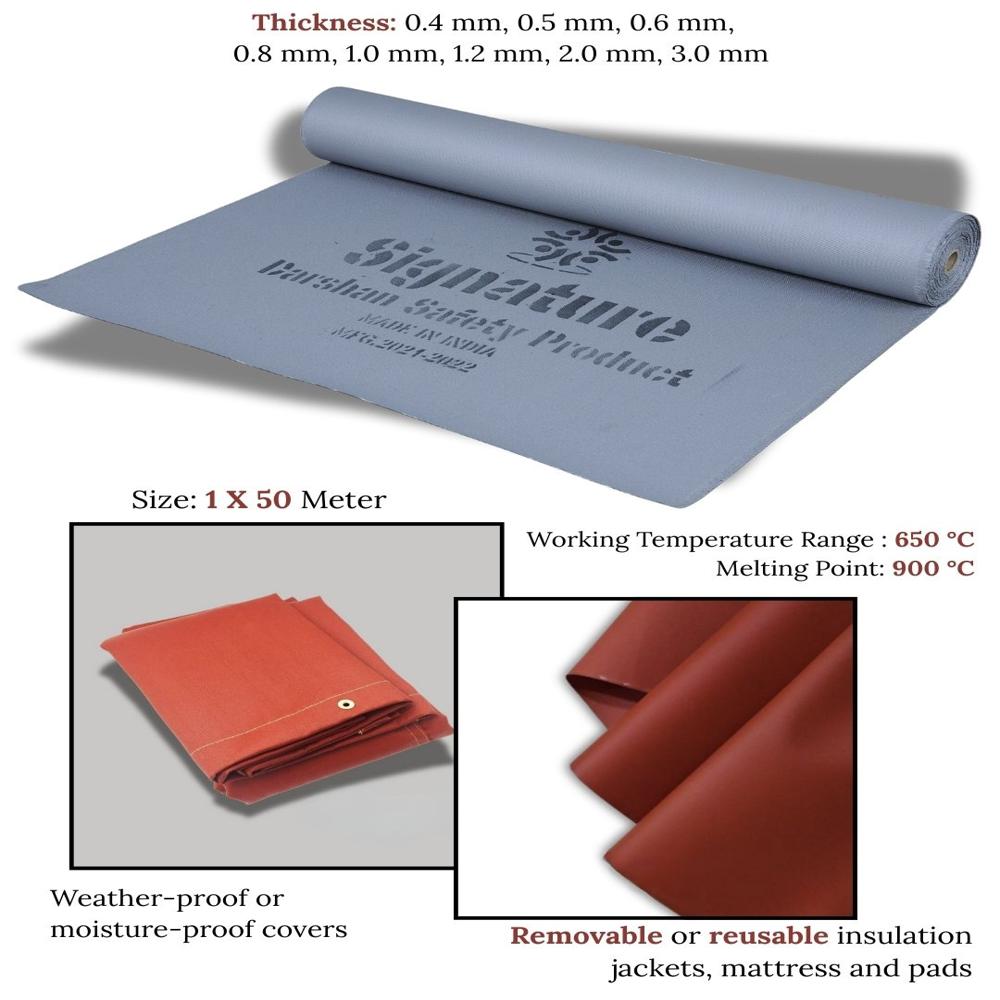
Removable or reusable insulation jackets, mattresses, and pads
-
Fabric expansion joints and ductwork connectors
-
Welding curtains, furnace curtains, fire blankets
-
Protective covers for air cargo and industrial equipment
-
Noise control barriers and moisture-proof shields
-
Firefighting apparel and protective garments
Technical Specifications:
-
Thickness Options: 0.4 mm, 0.5 mm, 0.6 mm, 0.8 mm, 1.0 mm, 1.2 mm, 2.0 mm, 3.0 mm
-
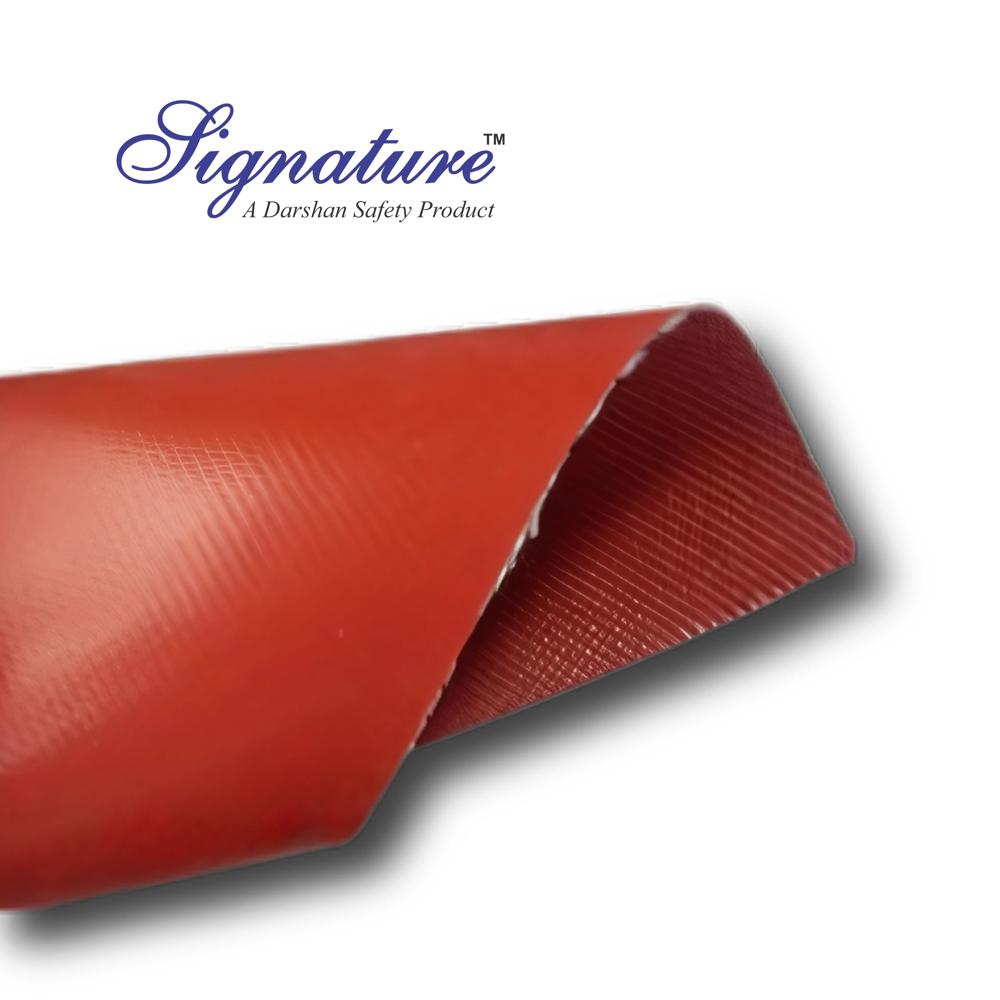
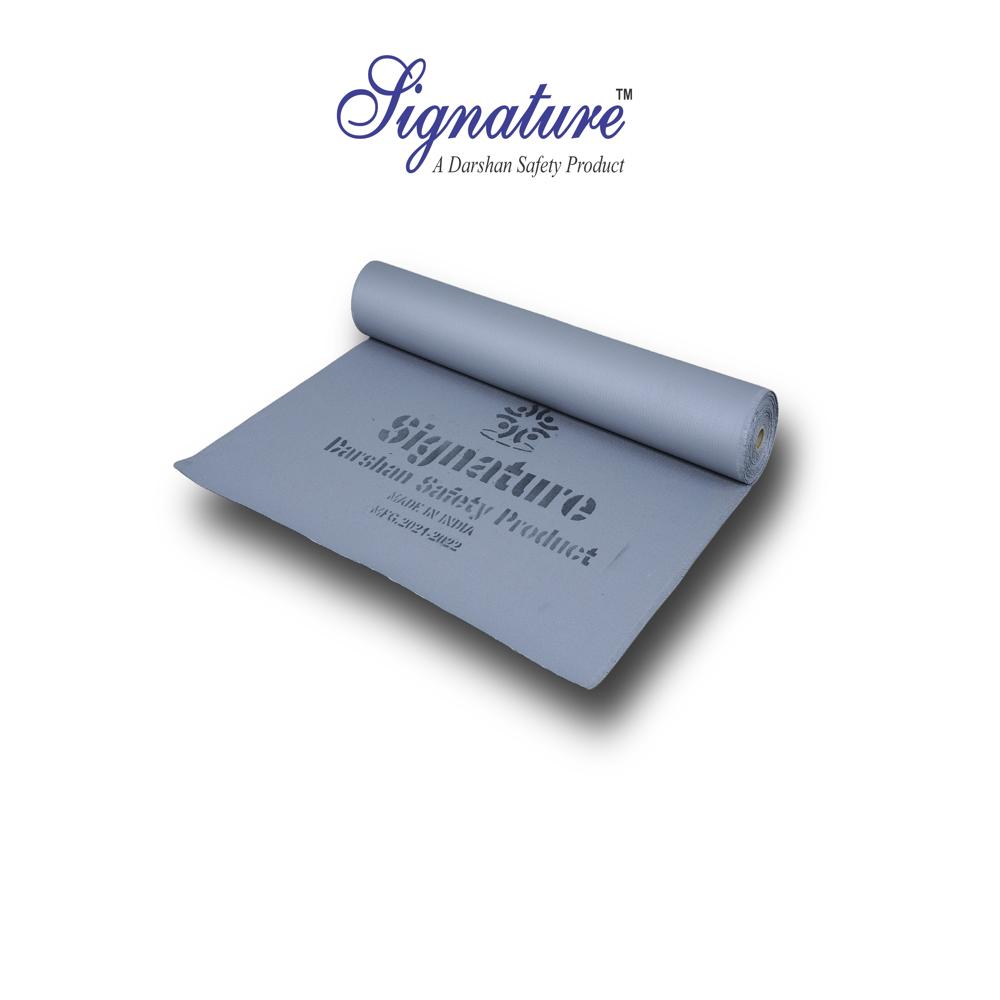
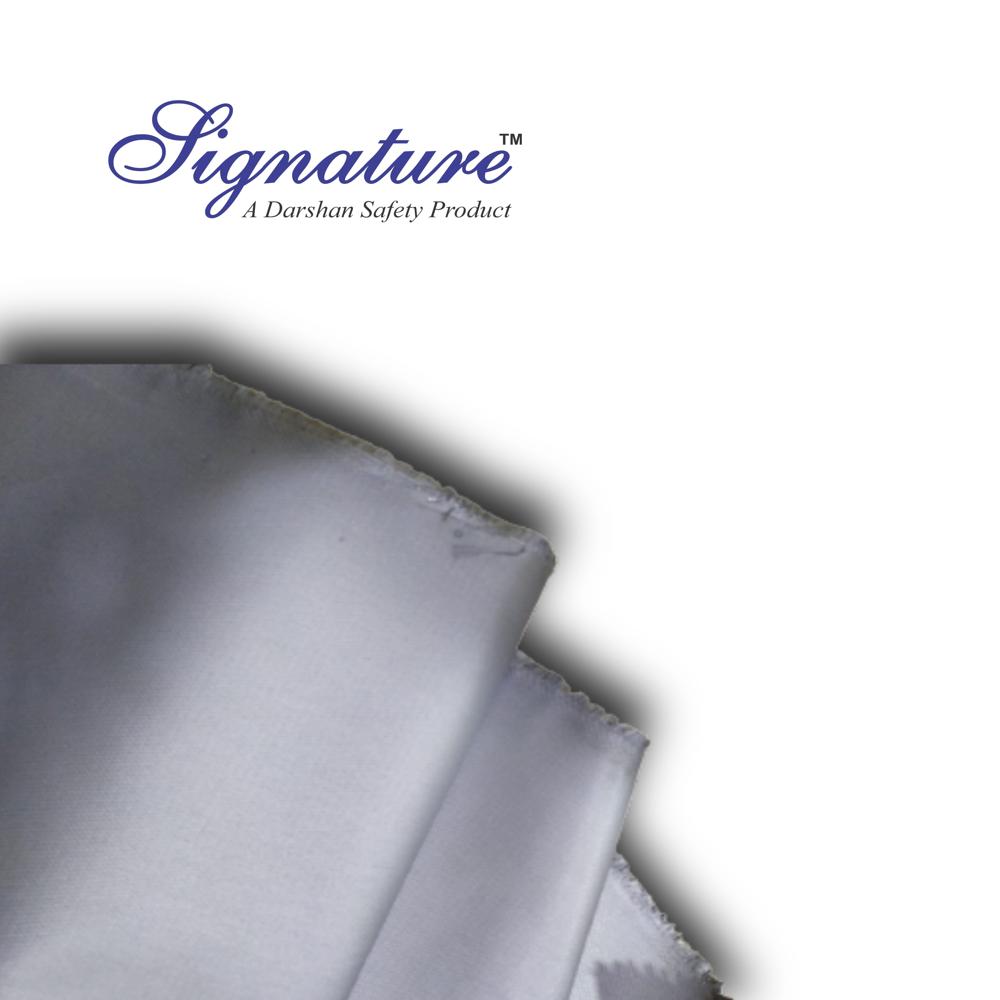
Colors: Grey, Red, Black
-
Weave: Plain or Satin
-
Size: 1 50 Meter (customized sizes available)
-
Conductivity: Non-conductive
-
Working Temperature: Up to 650 C
-
Melting Point: 900 C
-
Compliance: NFPA 701 (A & B) Approved
Benefits:
-
Provides long-lasting protection in high-temperature environments
-
Enhances safety and reliability in industrial applications
-
Resistant to thermal shock, weathering, and chemical exposure
-
Maintains flexibility without cracking or hardening over time
#dsz#SiliconCoatedFabric #FiberglassFabric #IndustrialSafety #HighTempProtection #WeldingBlanket #FireBlanket #SignatureSafety
Superior Heat Resistance and DurabilityEngineered for enduring performance in demanding environments, the silicon-coated glass fiber cloth withstands high temperatures while maintaining structural integrity. Its coating not only enhances resistance to heat and fire but also shields against water exposure, securing long-term use in both interior and exterior applications.
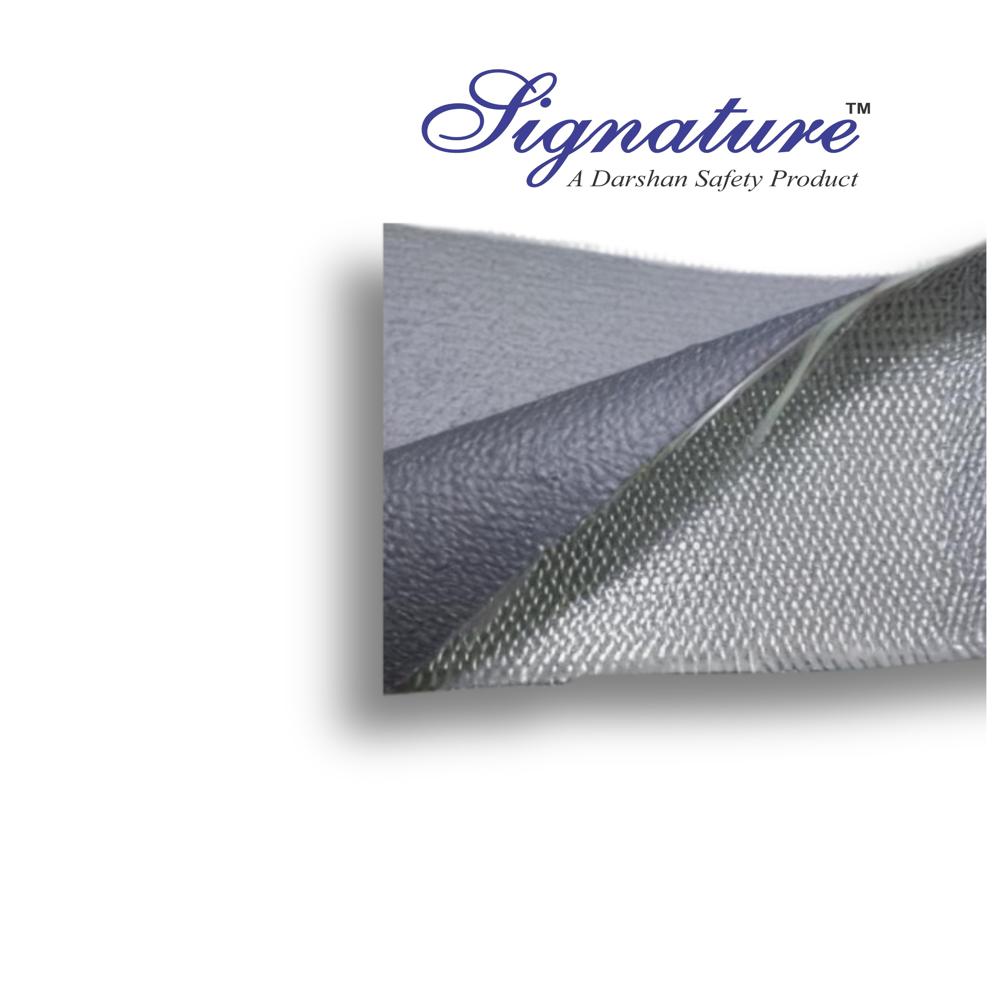
Adaptable Design for Multiple ApplicationsWith customizable dimensions and variable weight, this cloth is tailored to specific industrial requirements. Its plain weave and non-stretch nature ensure stability during use, while the dual-sided color and texture allow users to select the most suitable surface for their task, whether for insulation or as a protective barrier.
FAQs of Silicon Coated Glass Fiber Cloth:
Q: How is silicon coated glass fiber cloth typically installed or used in industrial settings?
A: Silicon coated glass fiber cloth can be cut and shaped according to application requirements, then fixed in place using hooks, grommets, or clamps. Its widely used as welding blankets, fire curtains, or heat shields in facilities needing high-temperature protection.
Q: What advantages does the silicon coating provide compared to uncoated glass fiber fabric?
A: The silicon coating significantly enhances heat and water resistance, prevents fraying, and adds extra durability. It also improves flexibility and makes the fabric easier to clean, ensuring longevity even in harsh industrial conditions.
Q: When should I choose silicon coated glass fiber cloth over other insulation materials?
A: Select this material when you require high tensile strength, lightweight and flexible properties, and exceptional resistance to heat and flame. It is especially suitable for environments with direct exposure to sparks, molten metal, or open flames.
Q: Where can silicon coated glass fiber cloth be sourced in India?
A: It can be procured through manufacturers, distributors, suppliers, dealers, exporters, importers, traders, and wholesalers across India. Many vendors offer customizable options to suit various industrial needs.
Q: What is the manufacturing process of this coated glass fiber cloth?
A: The process involves weaving high-density glass fiber yarn into a plain weave, followed by a silicon coating application on one or both sides. The cloth is then cured to bond the silicon, resulting in a dual-color, water-resistant, and heat-resistant fabric.
Q: What makes the fabric suitable for both heat resistance and flexibility?
A: The combination of high-density glass fiber yarn and silicon coating ensures the cloth remains both flexible and resistant to high temperatures. This blend of attributes allows it to conform to irregular surfaces while acting as an effective protective barrier.


 Send Inquiry



 Product Video




 English
 Spanish
 French
 German
 Italian
 Chinese (Simplified)
 Japanese
 Korean
 Arabic
 Portuguese



 Send Inquiry
 Send SMS