Product Description
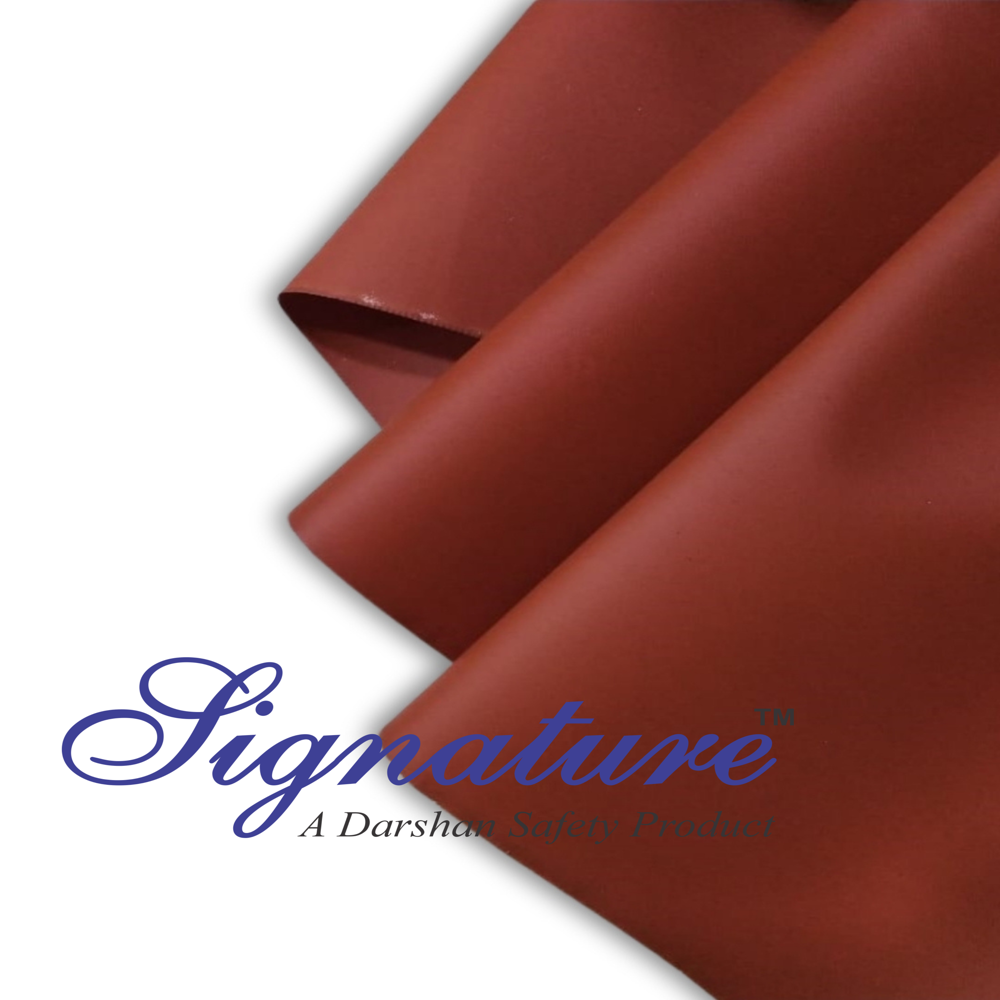
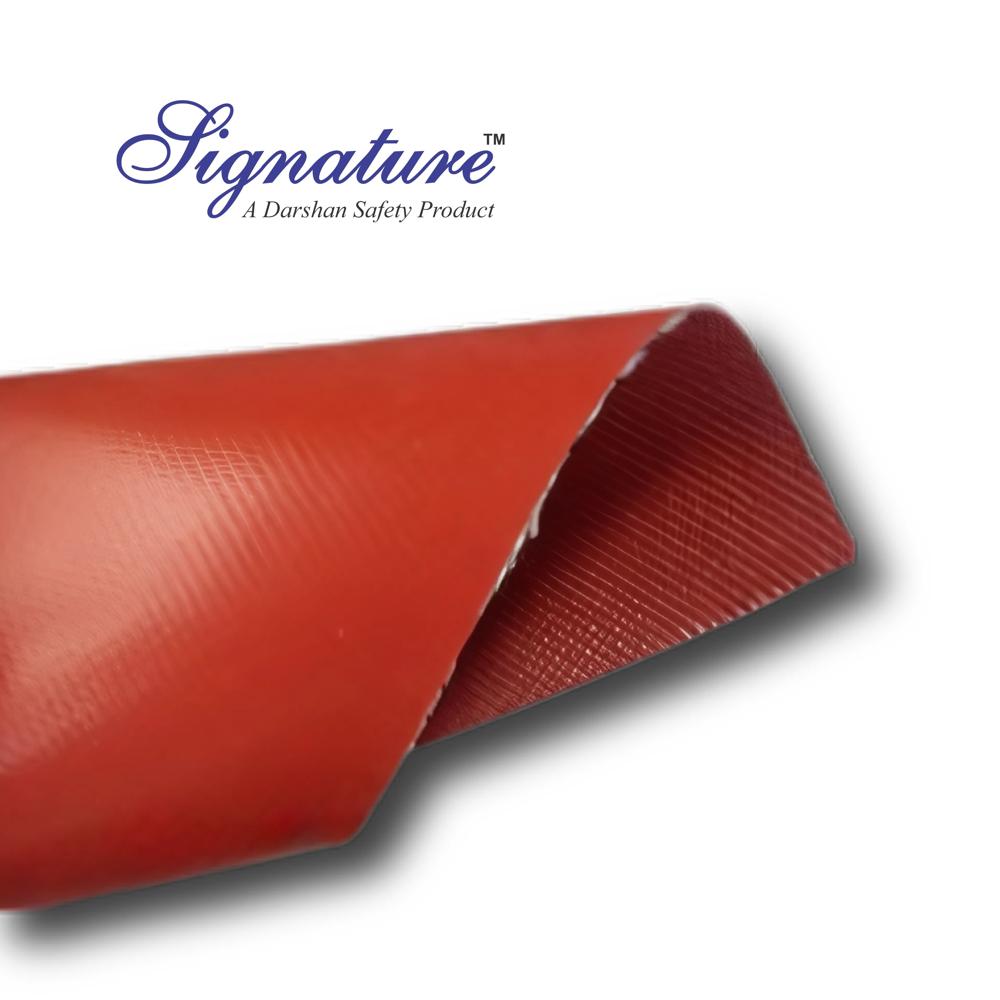
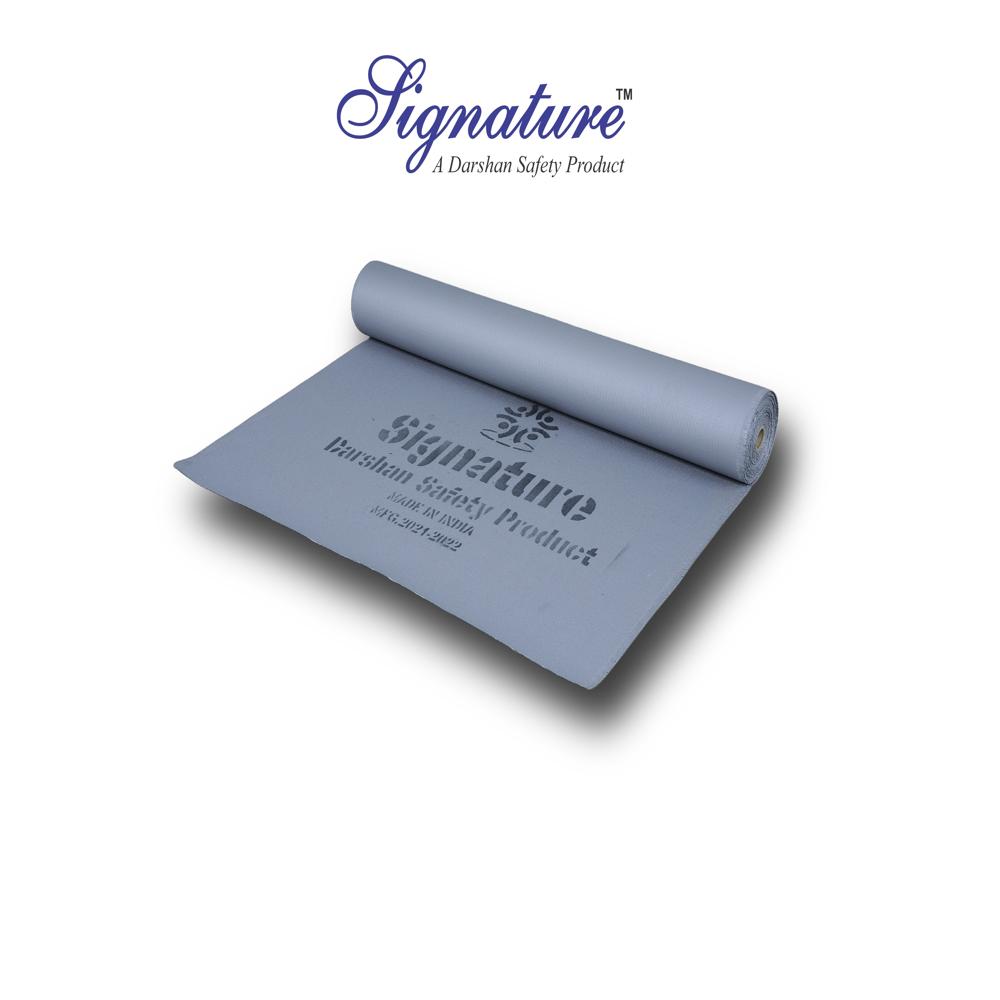
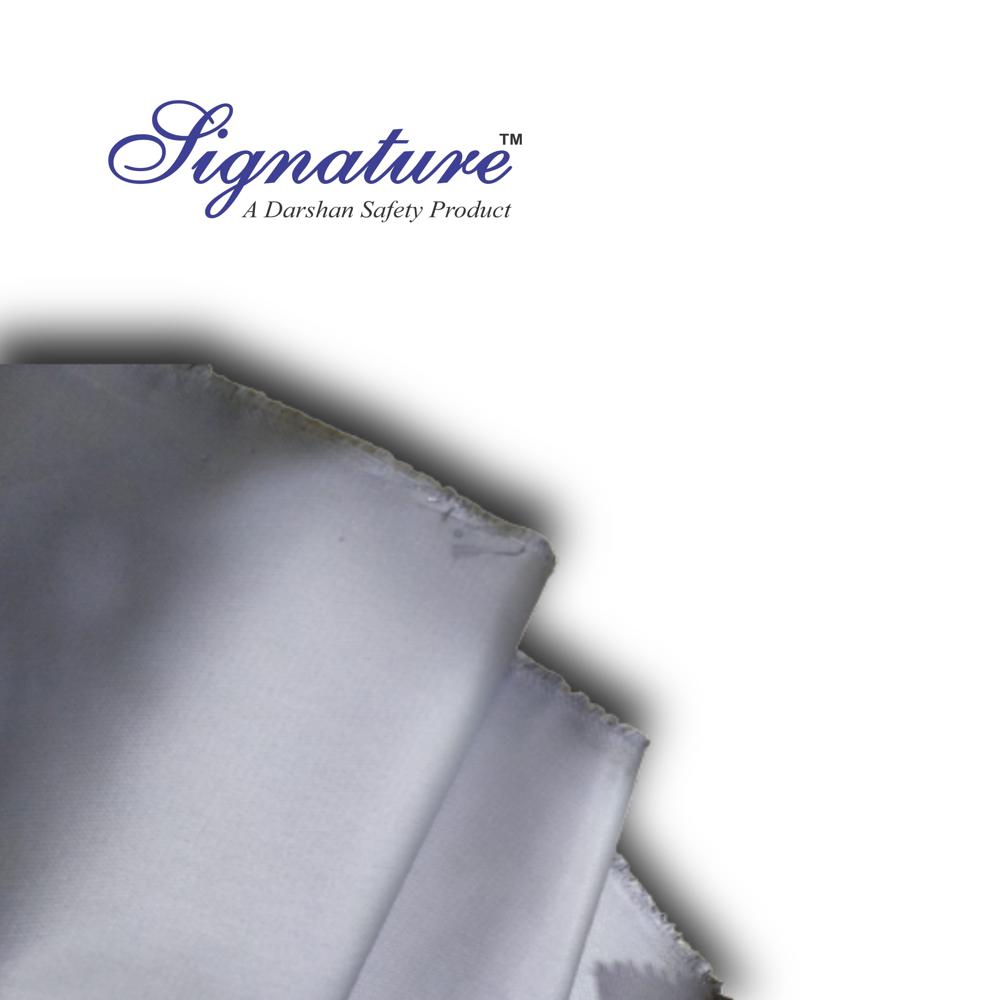
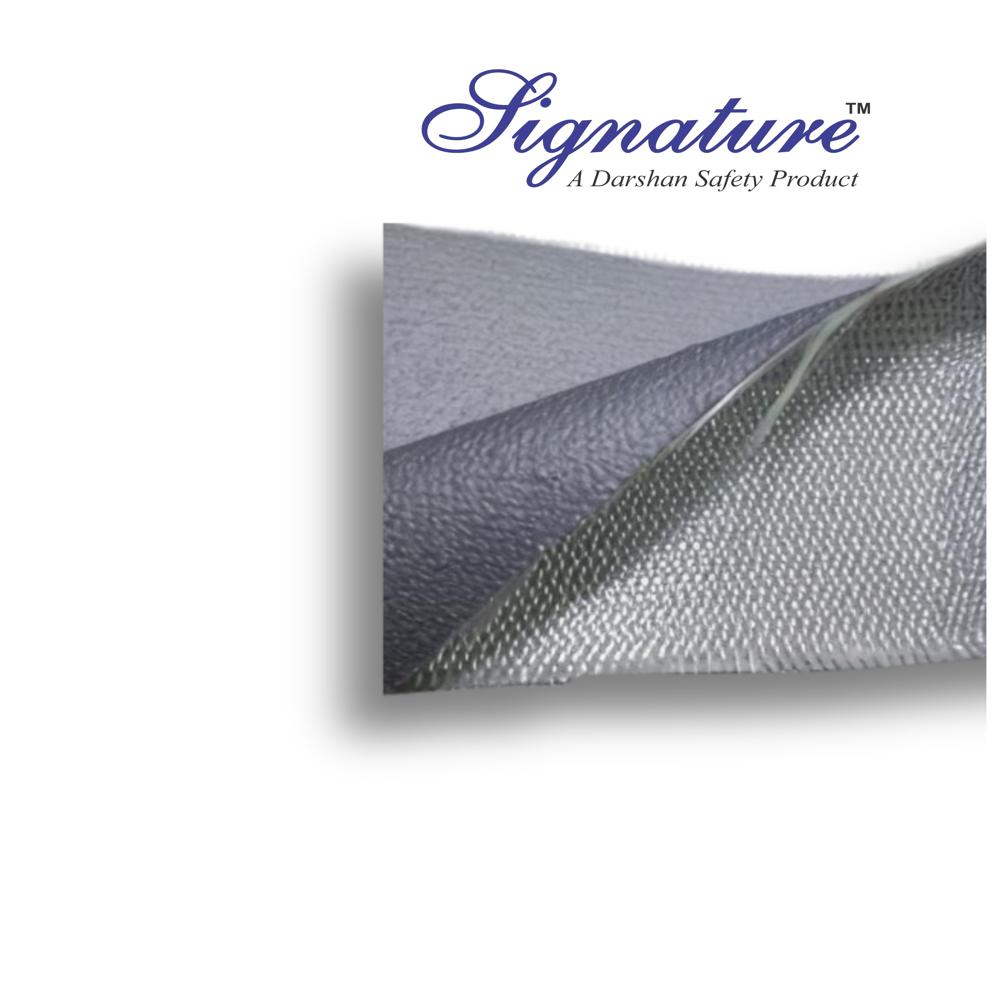
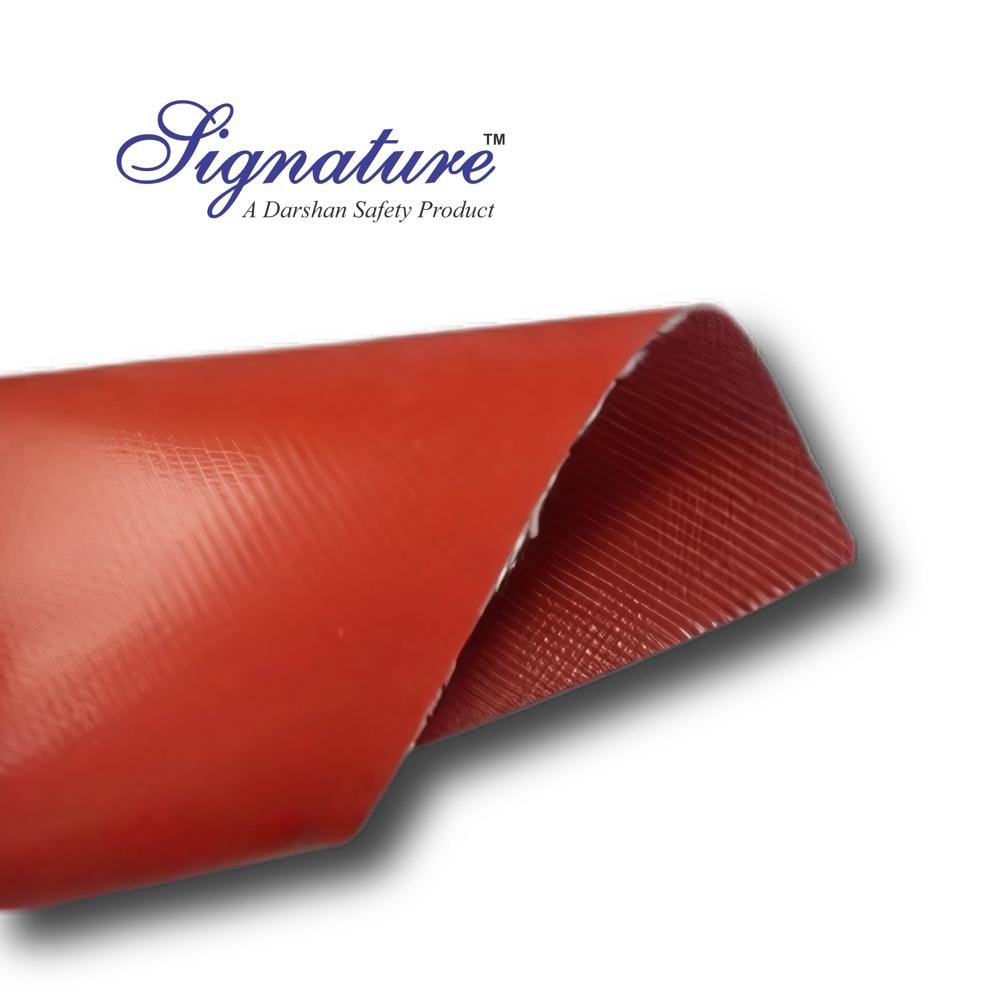
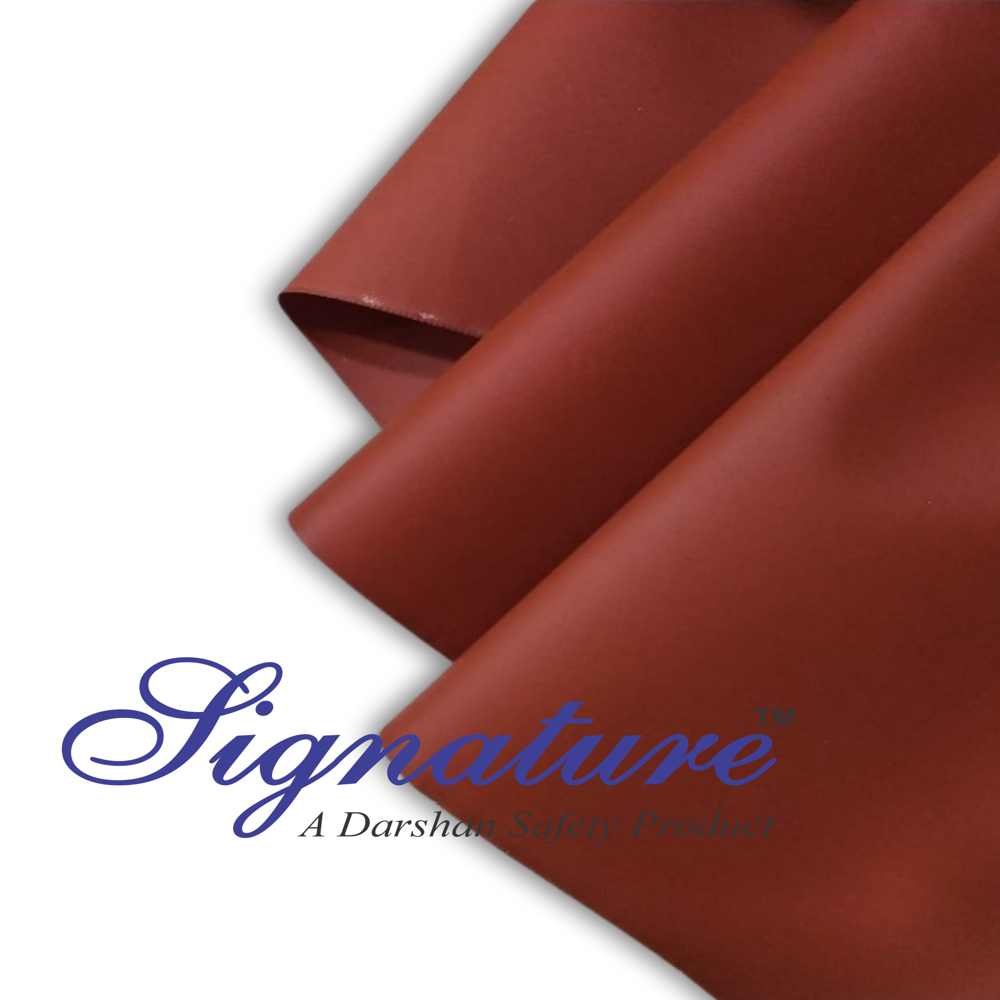
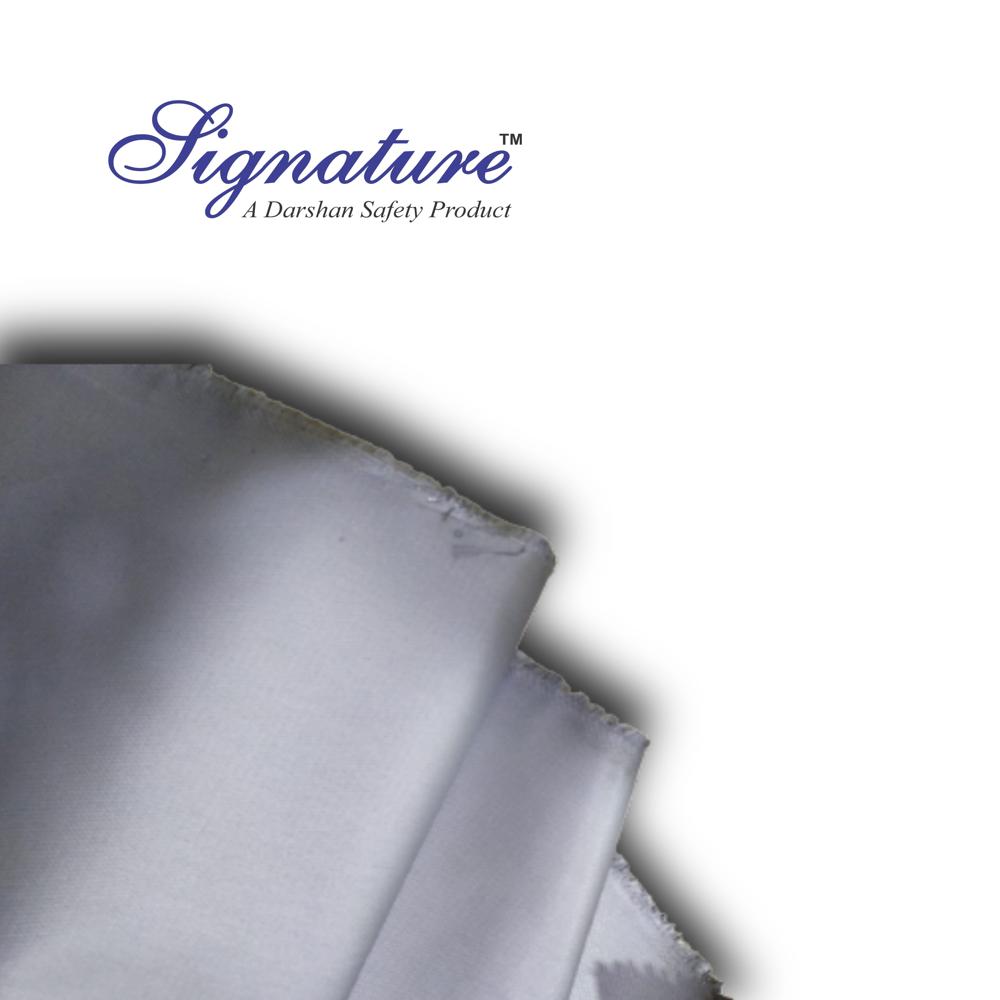
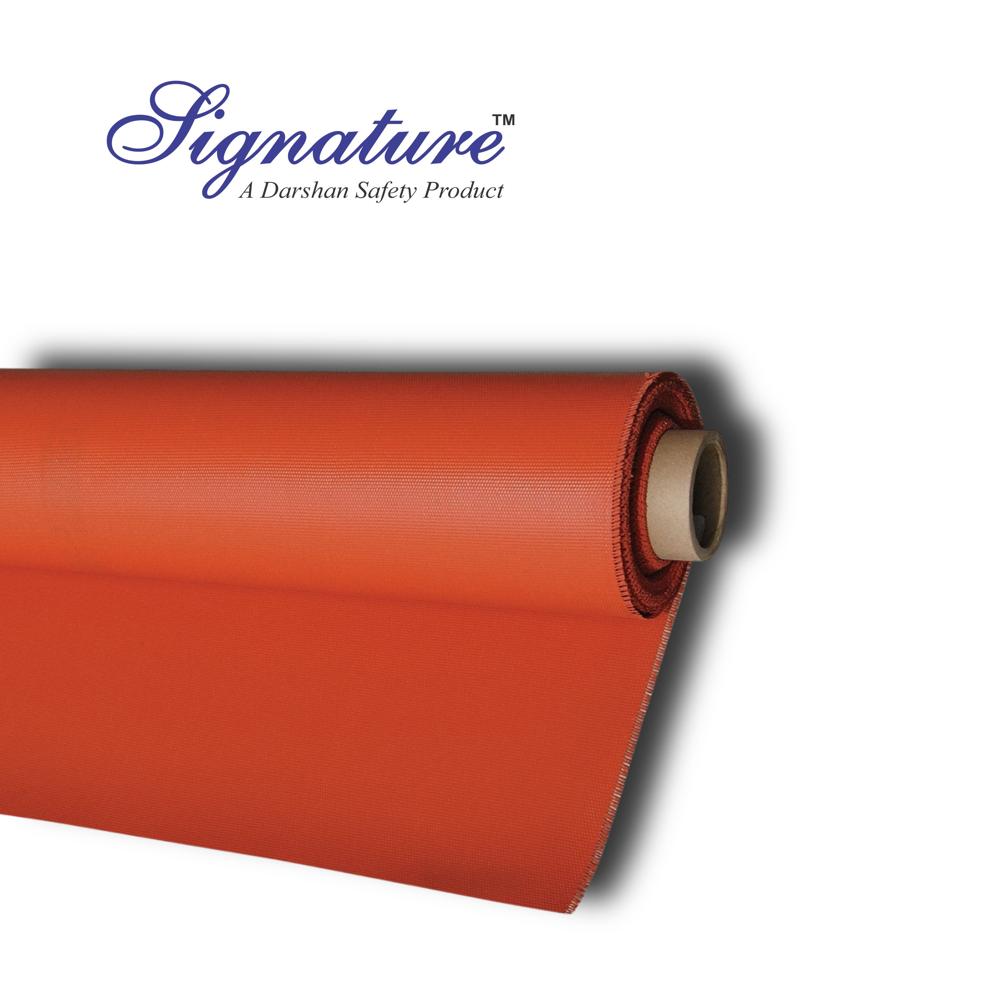
Silicon Coated Fiberglass Fabric DSZSFG0.6
Key Features
-
Coated or impregnated with high-quality silicone rubber using a special formula
-
Provides excellent heat, spark, chemical, and abrasion resistance
-
Flexible, durable, and suitable for a wide range of industrial applications
-
Waterproof, weatherproof, and moisture-resistant with smooth, easy-to-clean surface
-
Complies with NFPA 701 (A & B) Standards for safety assurance
Technical Specifications
-
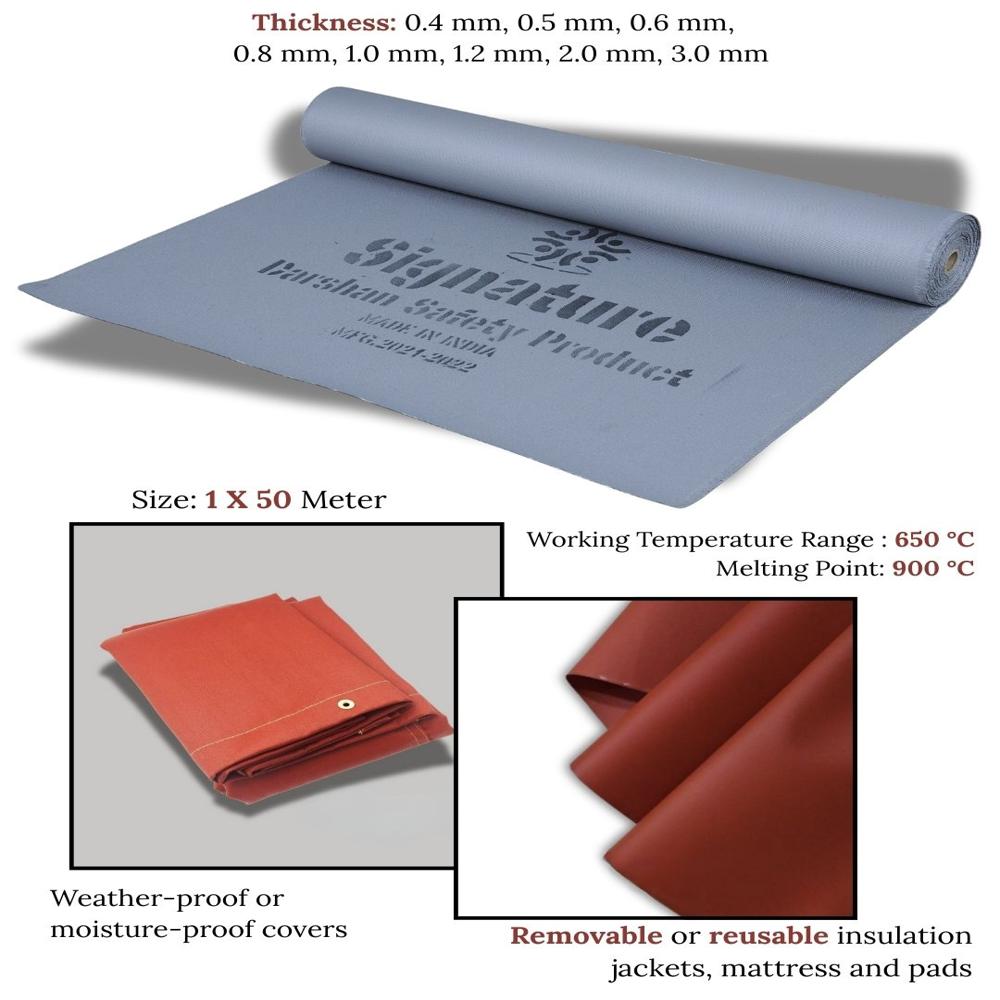
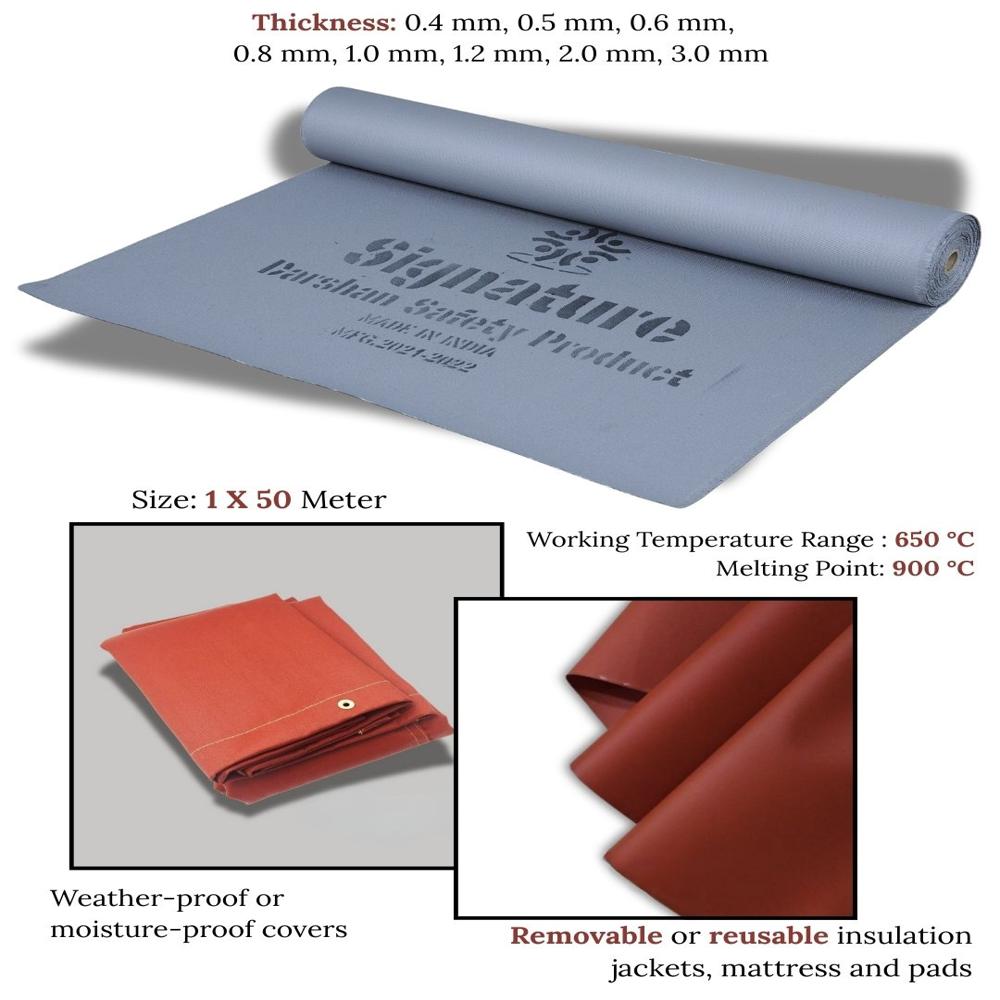
Thickness: 0.4 mm, 0.5 mm, 0.6 mm, 0.8 mm, 1.0 mm, 1.2 mm, 2.0 mm, 3.0 mm
-
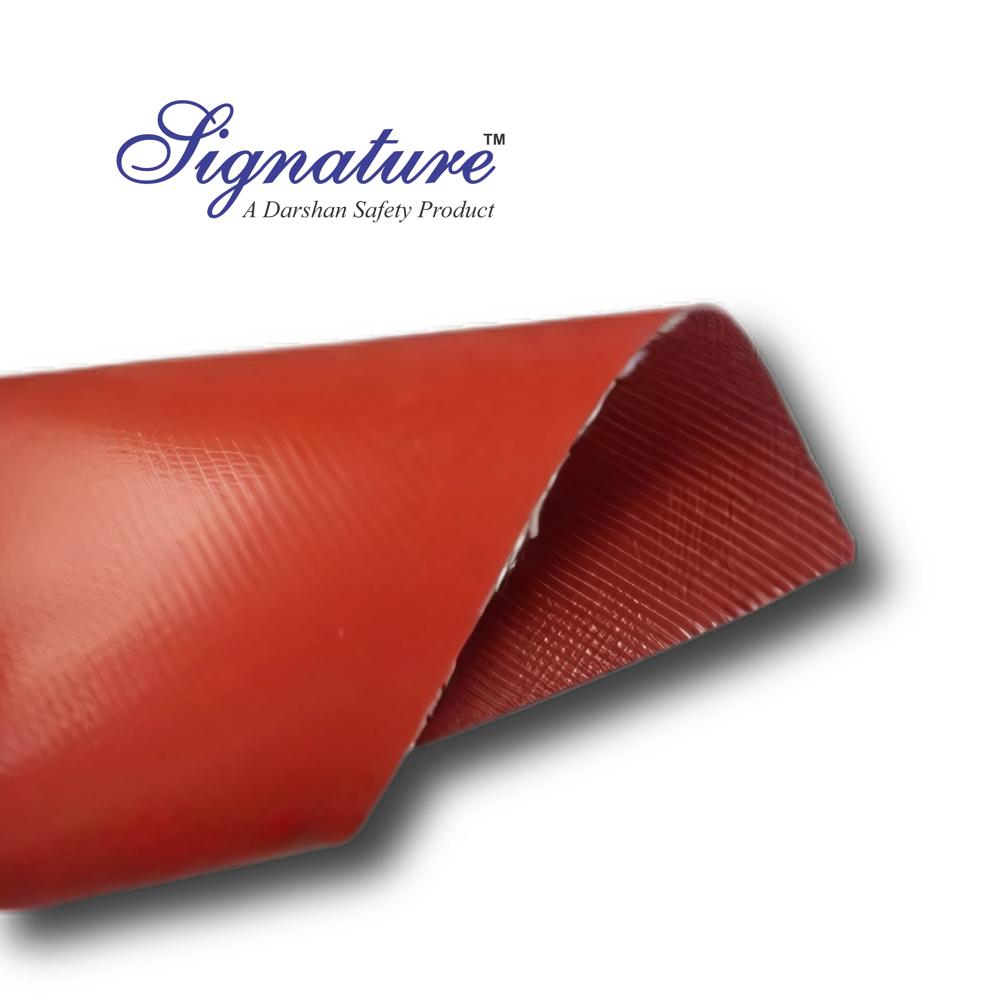
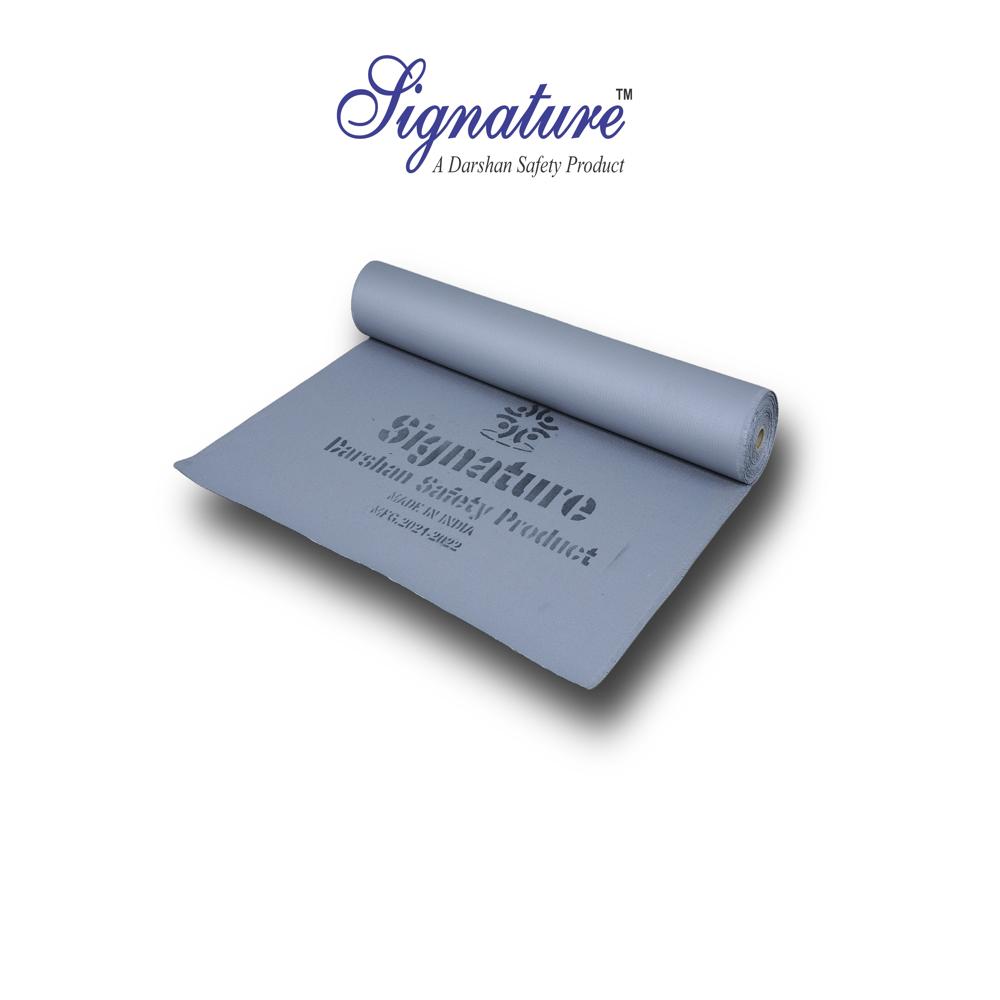
Colour Options: Grey, Red, Black
-
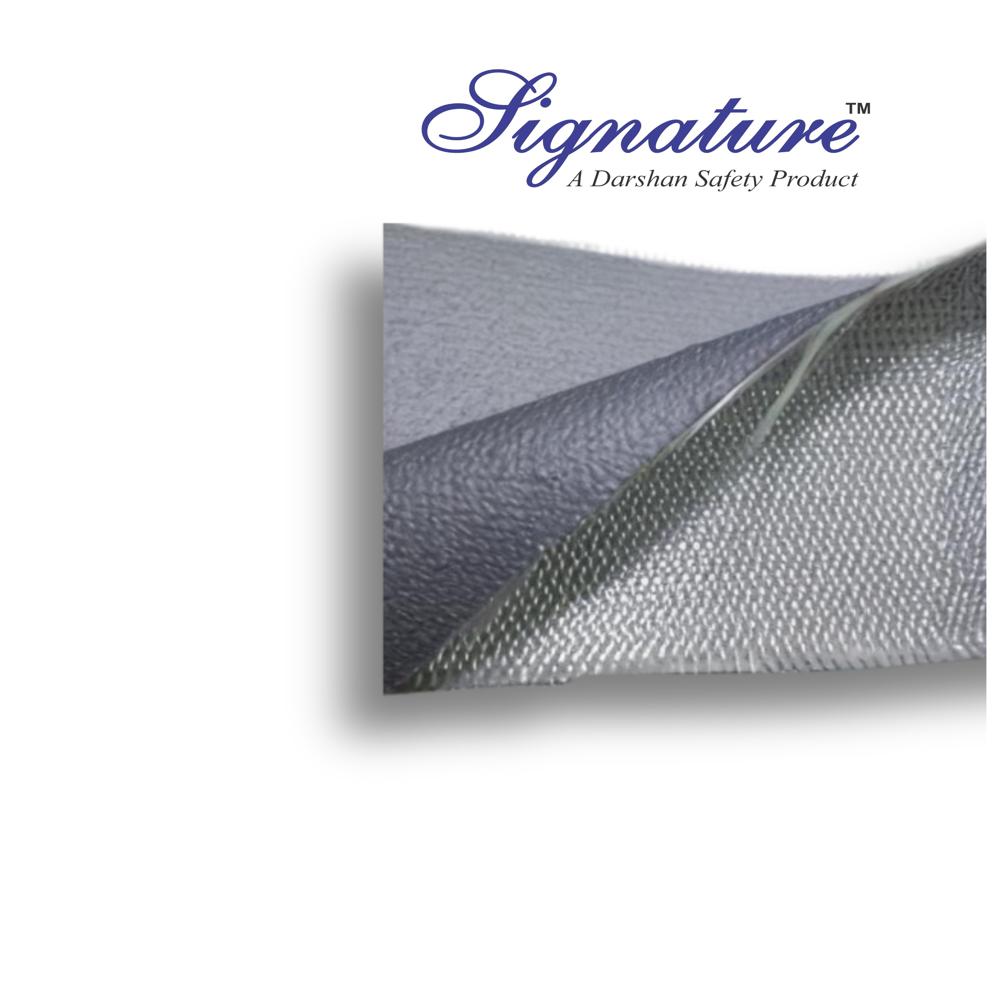
Weave: Plain, Satin
-
Standard Roll Size: 1 50 m
-
Conductive: No
-
Working Temperature: -70 C to +650 C
-
Melting Point: 900 C
Applications
-
Removable or reusable insulation jackets, mattresses, and pads
-
Fabric expansion joints & compensators
-
Fabric ductwork connectors
-
Furnace and welding curtains
-
Welding and fire blankets
-
Protective air cargo covers
-
Noise control barriers
-
Weather-proof or moisture-proof covers
-
Firefighting apparel
-
All forms of fiberglass textiles
Benefits of Silicone Coating
-
Heat Resistance: Withstands high temperatures safely
-
Durability: Strong resistance to wear, abrasion & chemicals
-
Waterproofing: Superior protection against moisture & weather
-
Easy Maintenance: Non-stick, smooth surface for hassle-free cleaning
-
Cost-Effective: Excellent value with reduced maintenance
-
Long Lifespan: Extended service life under tough conditions
#siliconefiberglass #heatresistantfabric #industrialtextiles #firesafety #weldingprotection #DSZ #fiberglassfabric
Superior Heat and Flame ProtectionThe silicone-coated fiberglass fabric offers exceptional resistance to extreme temperatures, making it a reliable solution for industrial insulation and welding safety. With its high tensile strength and low thermal conductivity, this cloth ensures both heat containment and user safety in high-risk environments. Its waterproof feature adds further security against liquid exposure.
Customizable for Versatile ApplicationsWith customizable dimensions and a roll format, this coated fabric can be tailored to a variety of industrial applications, including heat shielding, welding curtains, and furnace blankets. Its robust structure and adaptable sizing make it suitable for both large-scale and niche industry requirements, providing flexibility for diverse insulation projects.
FAQs of Silicone Coated Fiberglass Cloth:
Q: How is silicone coated fiberglass cloth typically used in industrial settings?
A: Silicone coated fiberglass cloth is utilized for heat protection insulation, welding protection, and as thermal barriers in factories, foundries, and construction projects where high temperature resistance is essential.
Q: What are the benefits of choosing this material for heat and flame protection?
A: This fabric provides outstanding high-temperature resistance, high tensile strength, and is waterproof. Its silicone coating enhances durability and protection against thermal conduction and liquid exposure, reducing the risk of burns and equipment damage.
Q: When should I consider using silicone coated fiberglass cloth over other insulation materials?
A: Choose this fabric when you need a combination of low thermal conductivity, water resistance, flame retardance, and the flexibility to customize dimensions for specific industrial insulation or welding safety needs.
Q: Where can this cloth be applied within an industrial facility?
A: It is suitable for areas near furnaces, welding stations, and heat processing units where workers or equipment require shielding from high temperatures or accidental sparks.
Q: What is the process for installing this coated fabric in insulation applications?
A: Typically, it is cut to size from rolls and secured using mechanical fasteners, adhesives, or integrated into multi-layer insulation systems, ensuring continuous coverage and a snug fit around equipment or structures.
Q: How does the non-stretch nature benefit industrial applications?
A: The non-stretch characteristic maintains the fabrics shape and integrity during use, preventing sagging or displacement, which is vital for consistent protection in high-temperature environments.


 Send Inquiry


 Product Video




 English
 Spanish
 French
 German
 Italian
 Chinese (Simplified)
 Japanese
 Korean
 Arabic
 Portuguese



 Send Inquiry
 Send SMS