Product Description
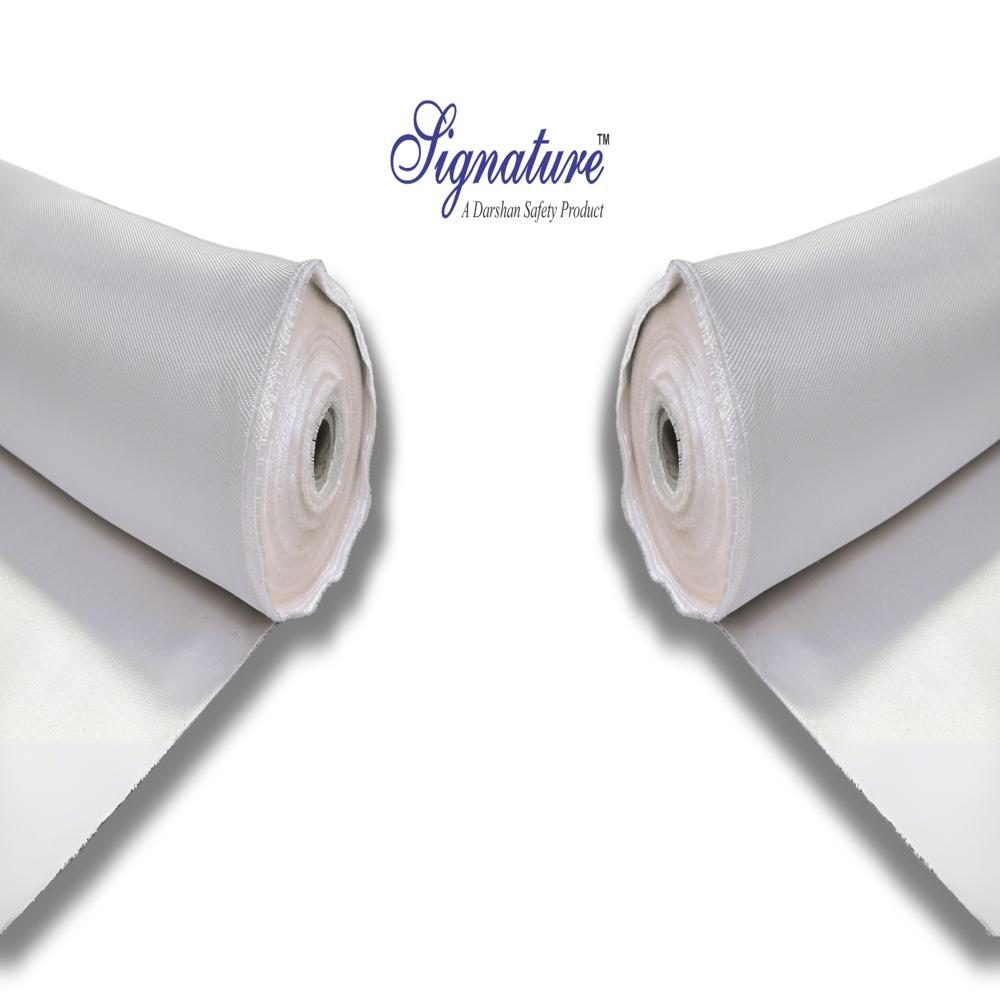
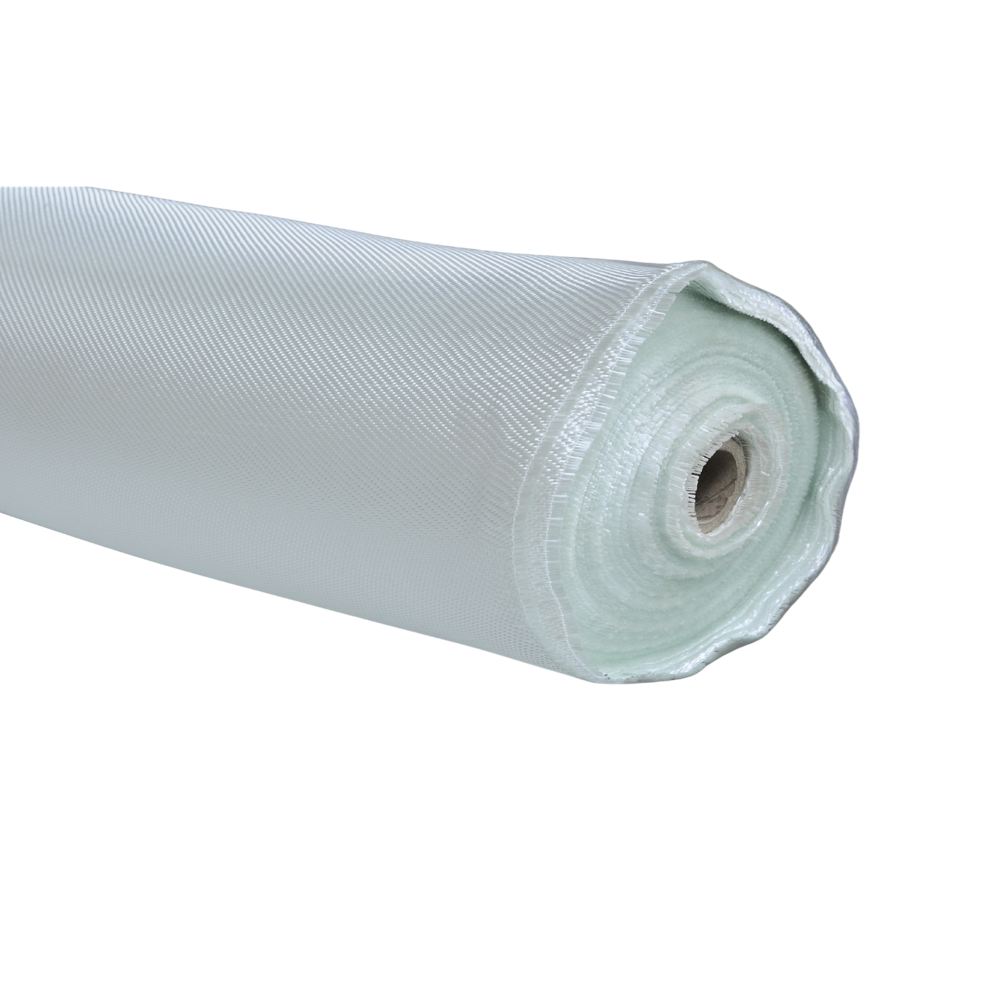
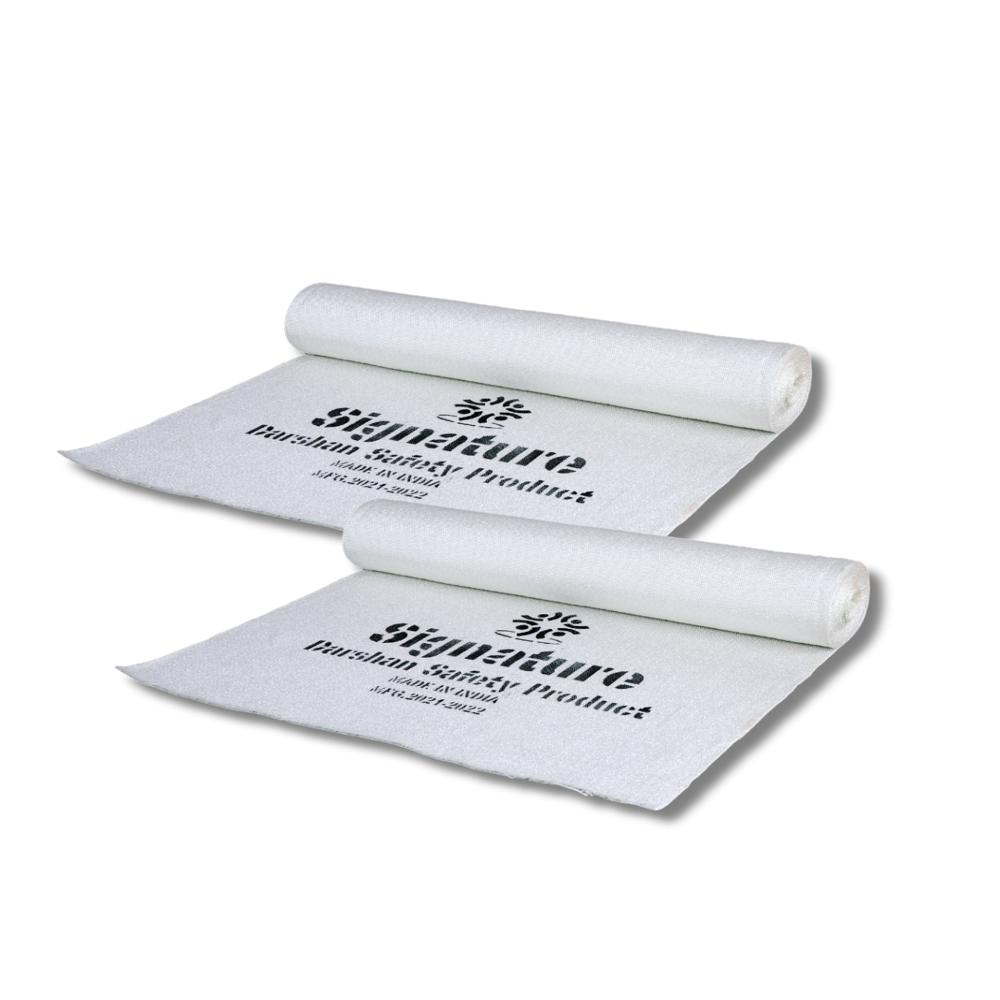
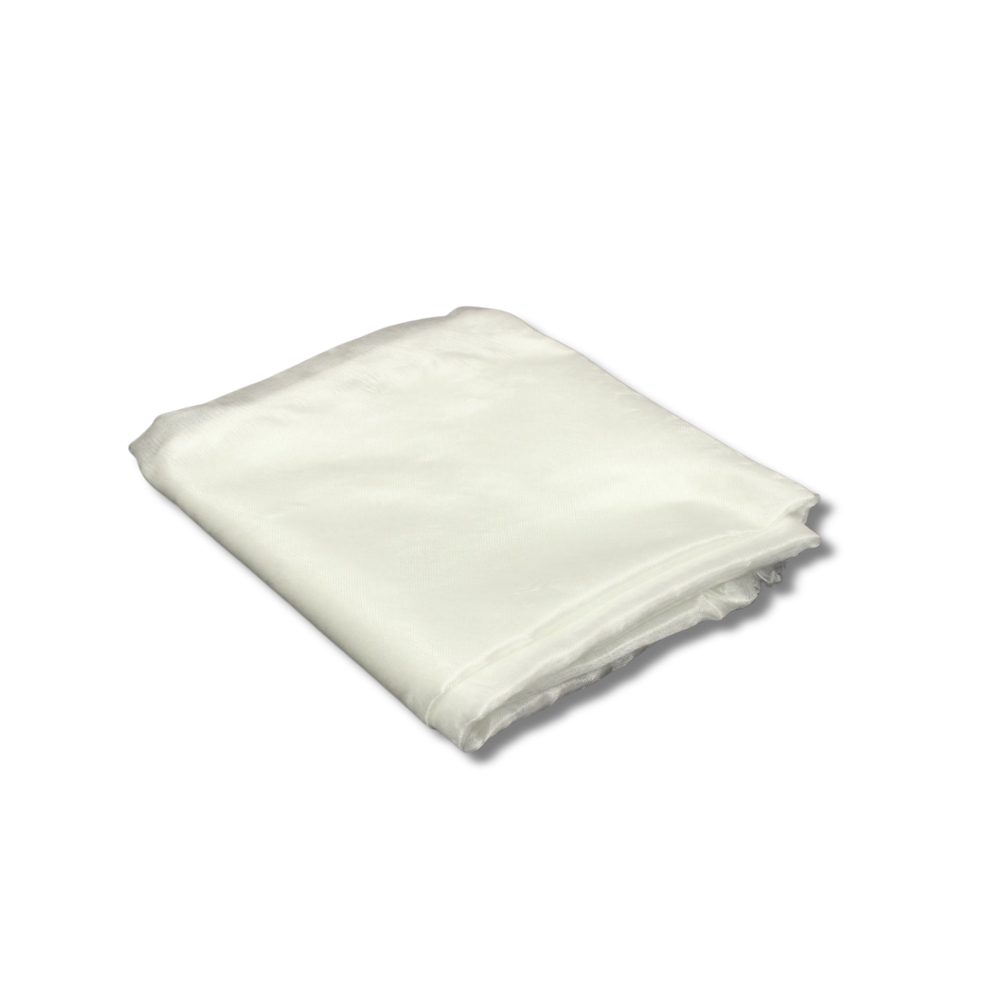
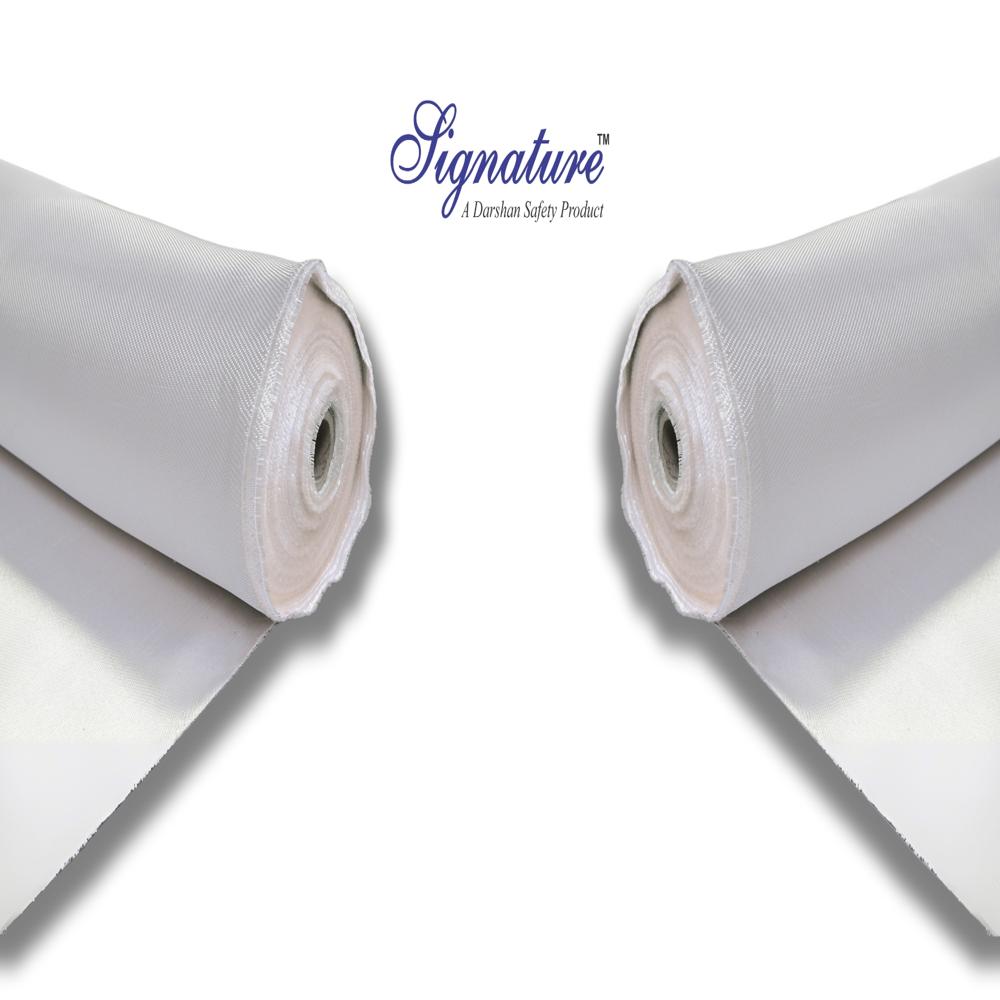
Fiberglass Fabric (DSZFG0.6)
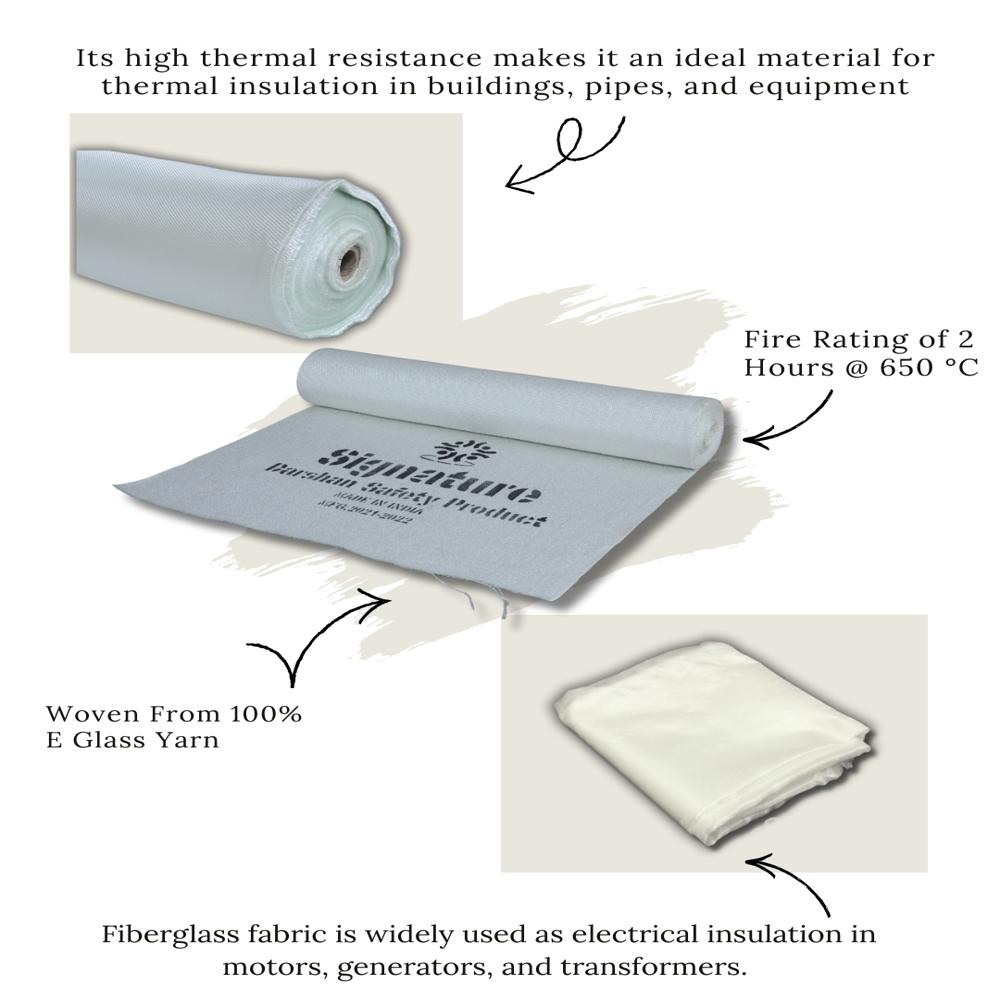
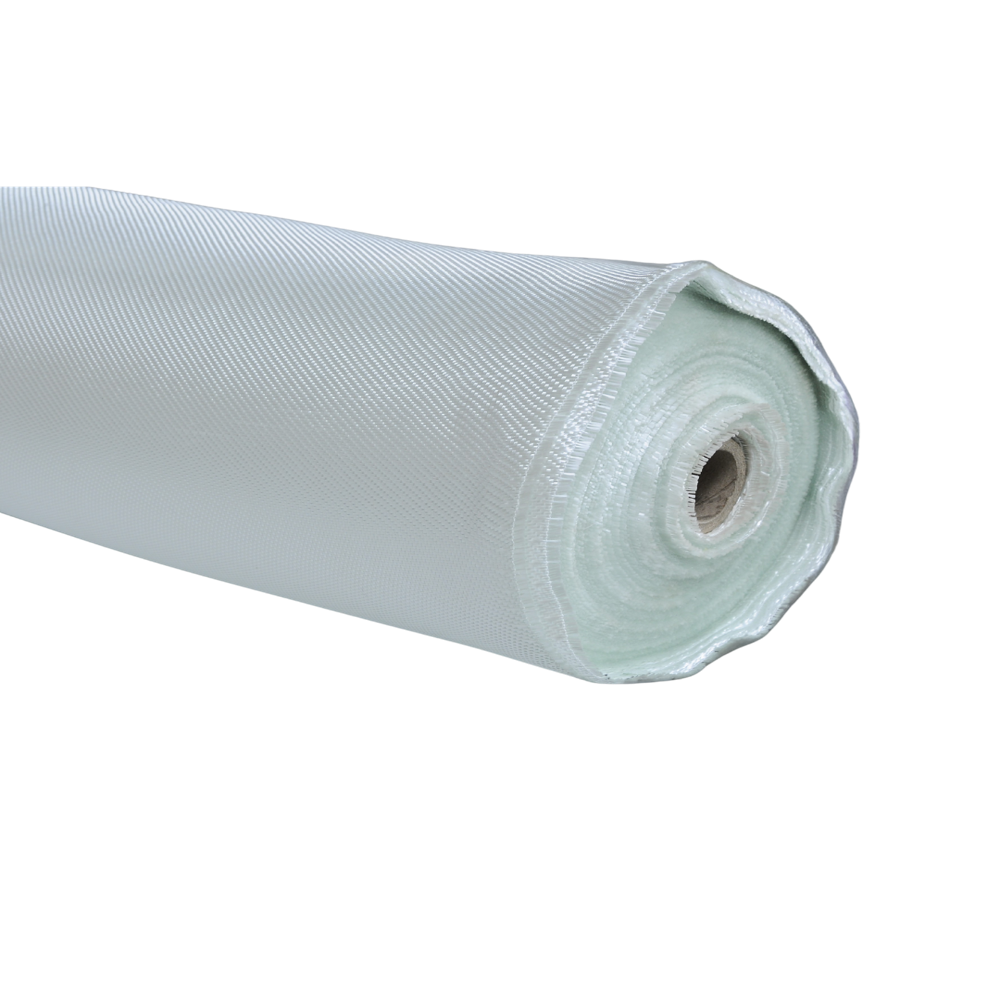
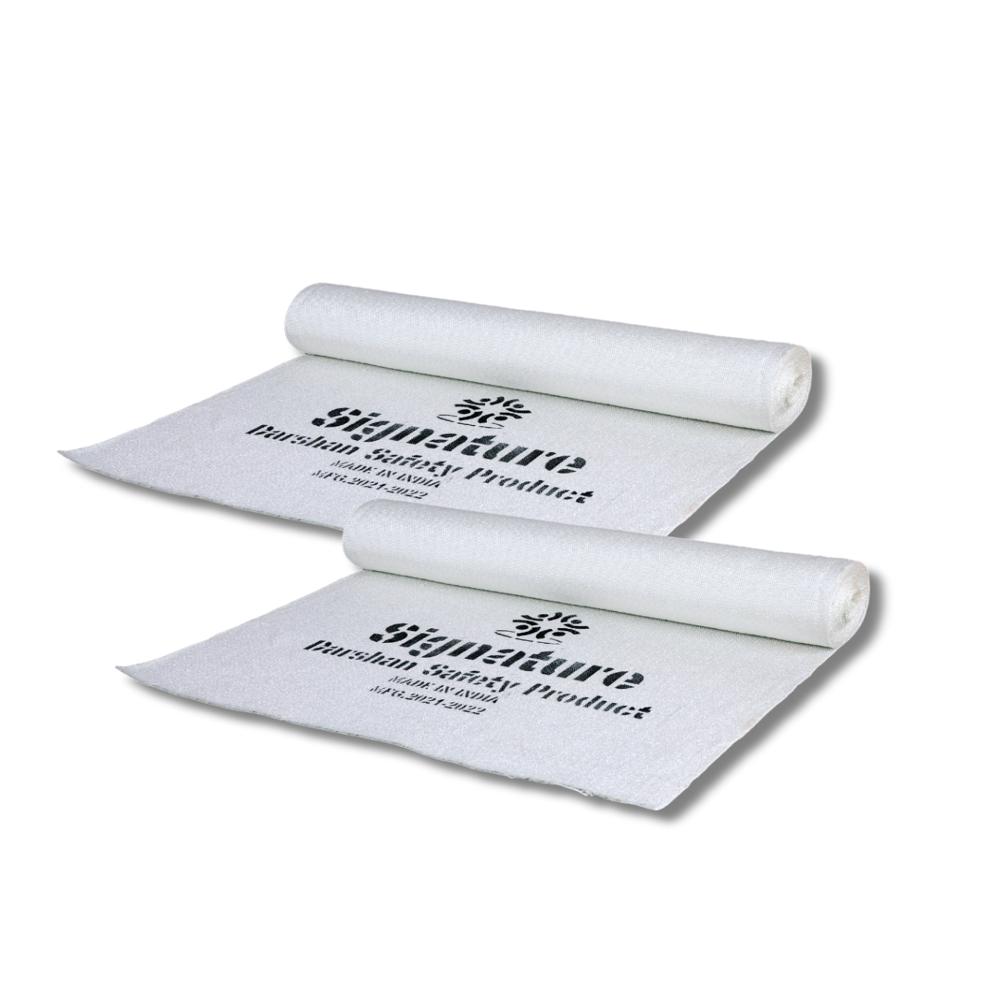
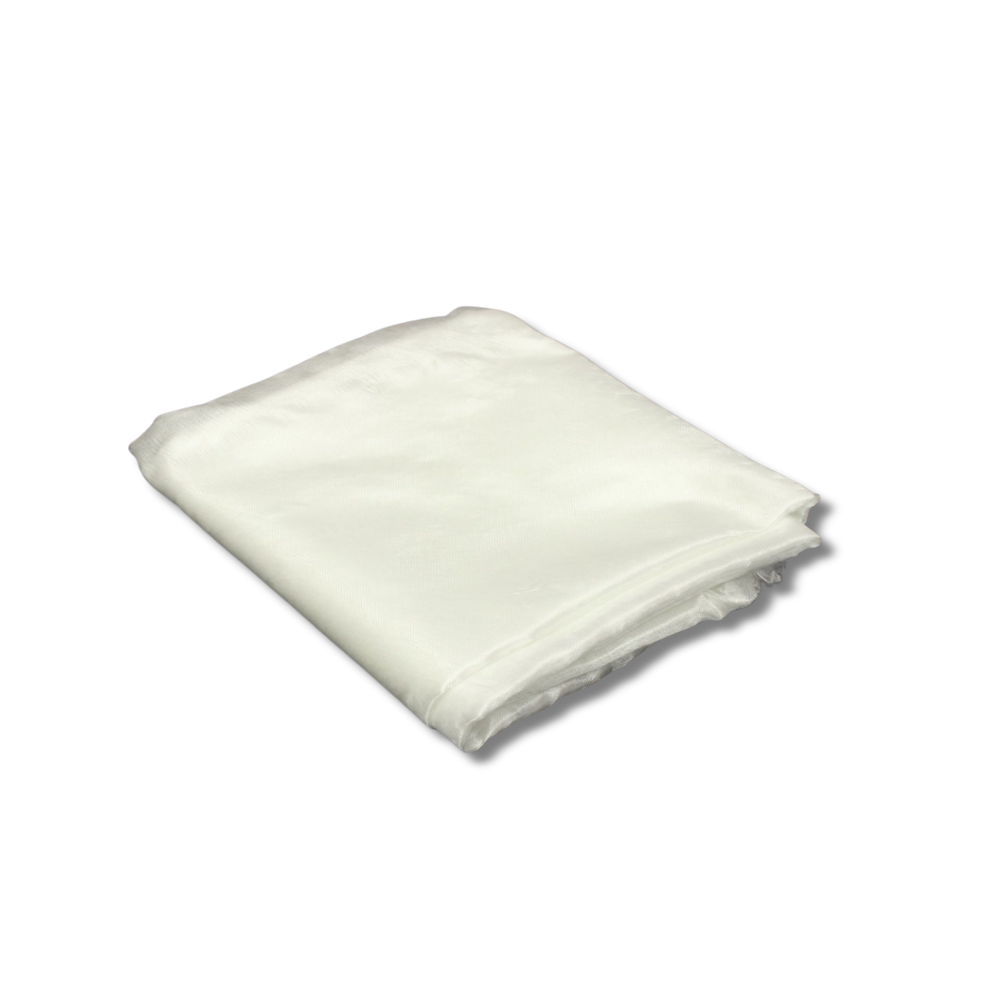
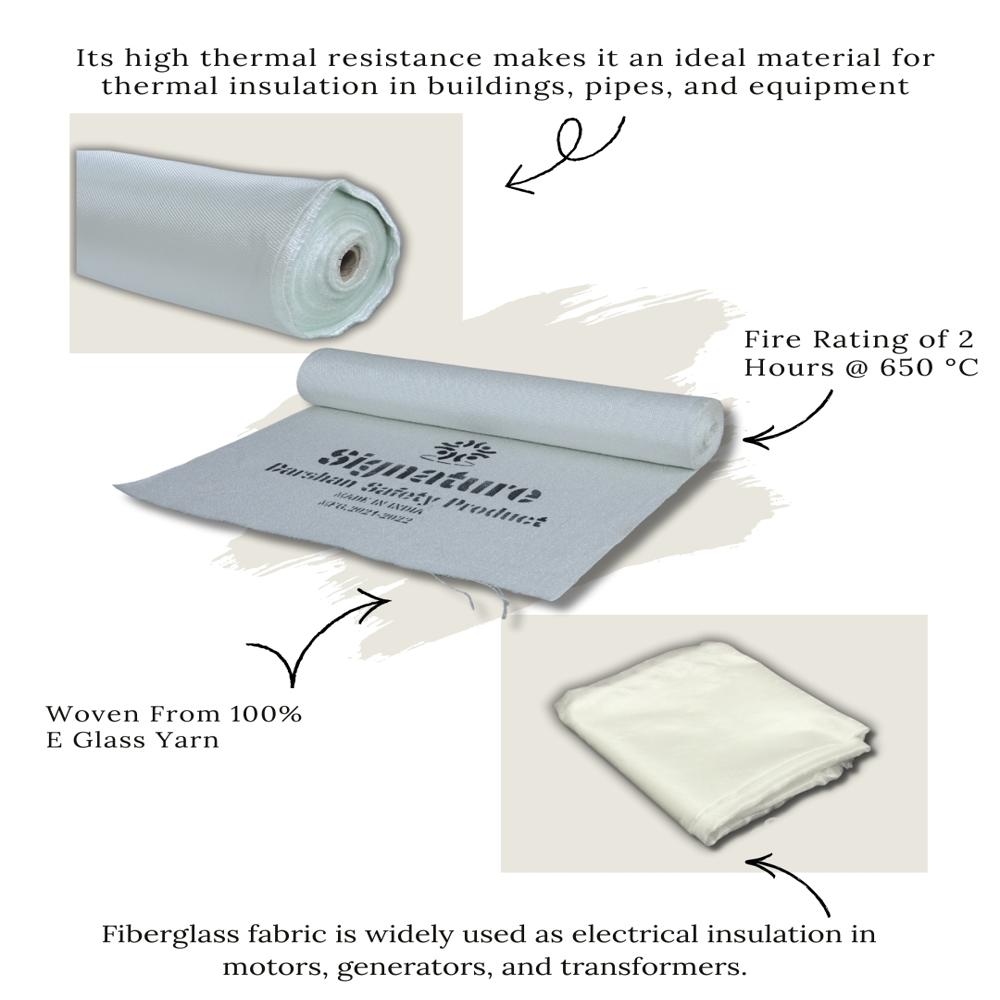
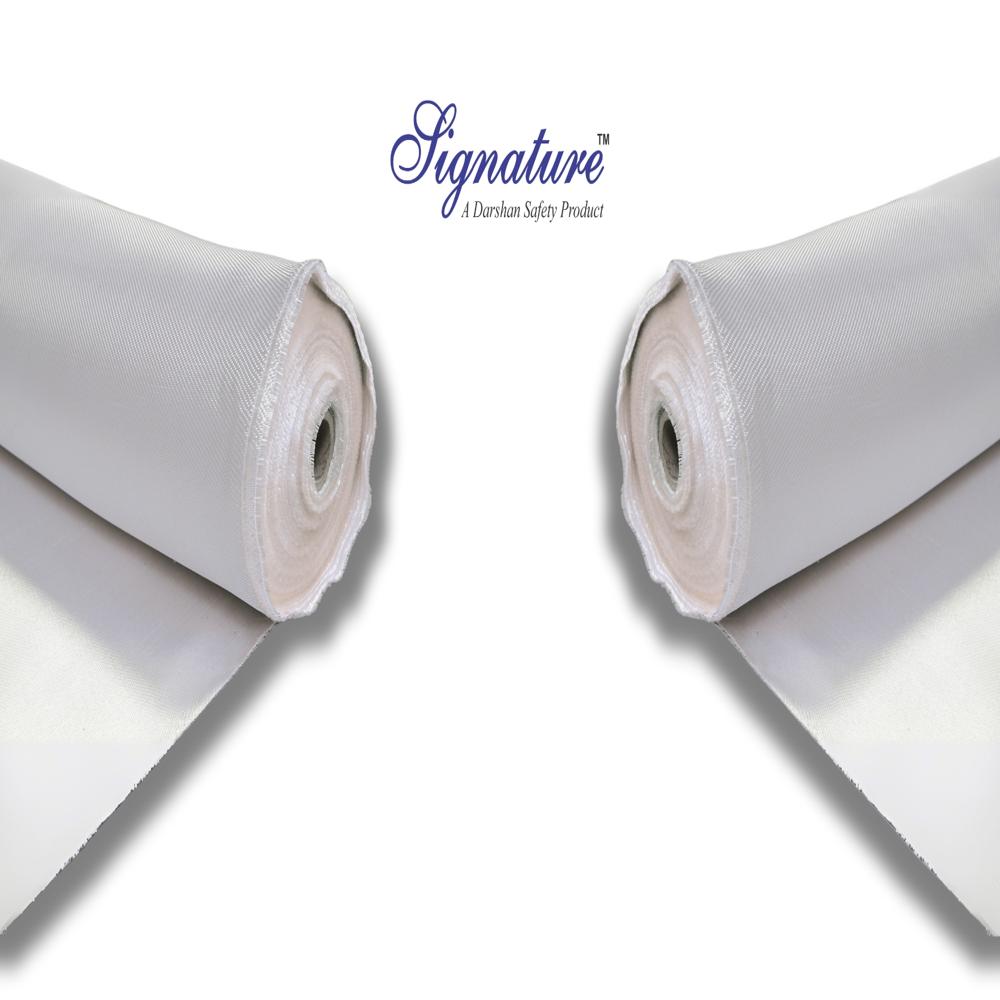
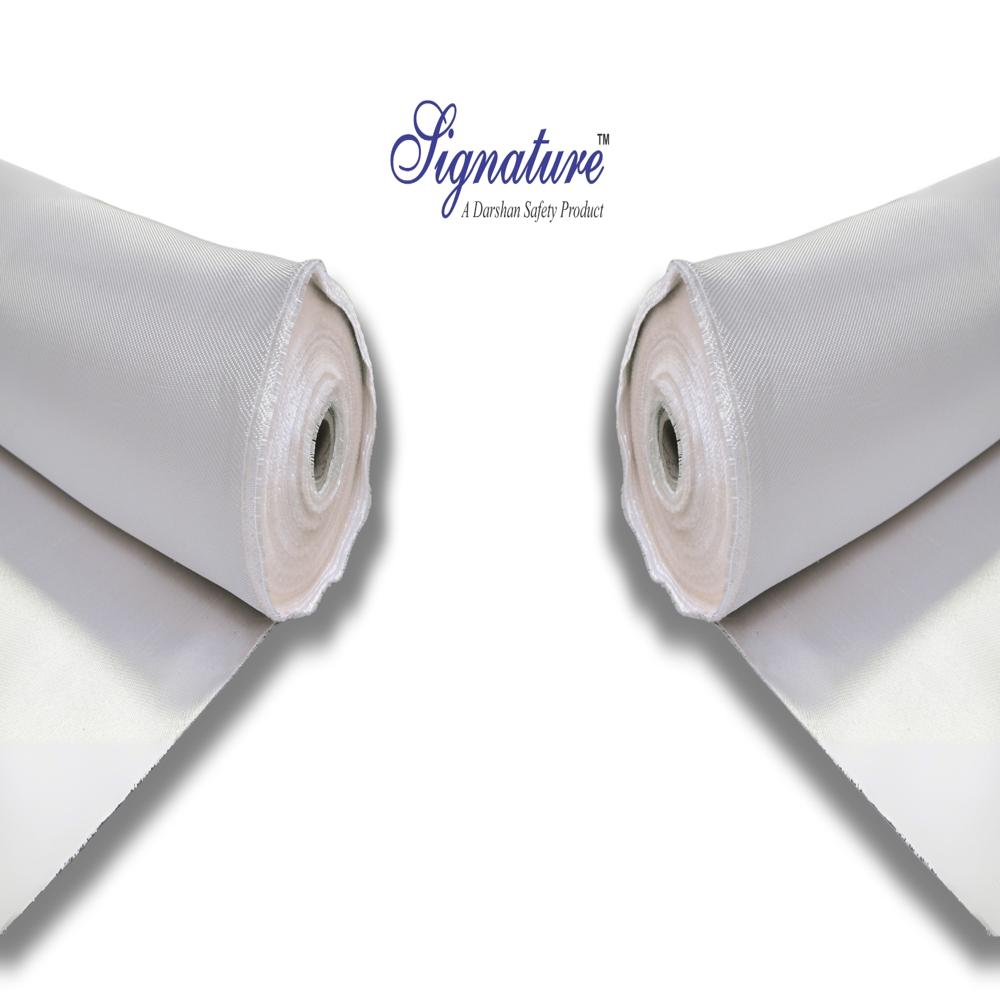
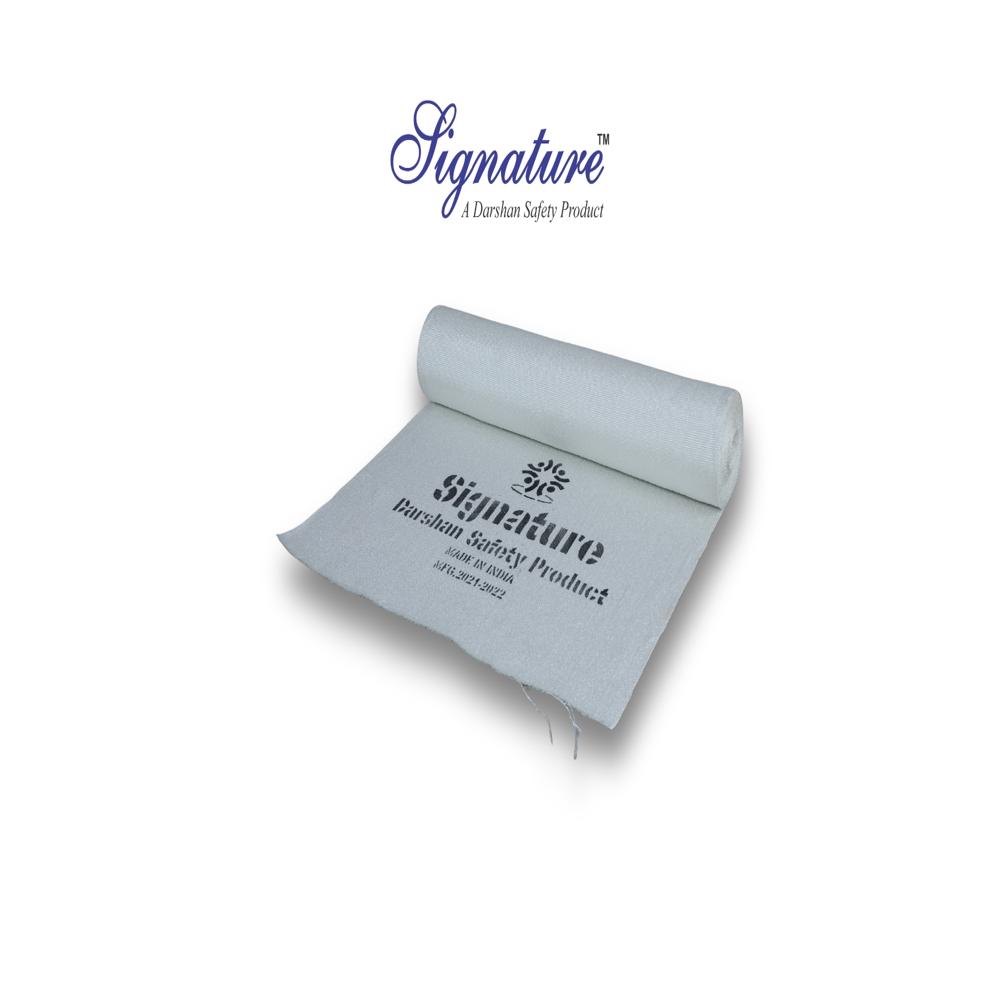
Fiberglass Fabric is a woven material made from 100% E-glass yarn, consisting of extremely fine silica-based fibers extruded into thin strands suitable for textile processing. The fabric offers a high surface area-to-weight ratio, providing excellent performance in insulation and reinforcement applications. Despite its lightweight nature, it is strong, durable, and highly resistant to heat and chemicals, making it a versatile choice for multiple industries.
Key Features:
-
Woven from 100% E-Glass yarn
-
High strength-to-weight ratio
-
Excellent thermal and electrical insulation properties
-
Chemical and corrosion resistance
-
Durable and lightweight
-
Fire rating: 2 hours at 650 C
Applications:
-
Electrical Insulation: Widely used in motors, generators, and transformers
-
Thermal Insulation: Effective in buildings, pipes, and industrial equipment
-
Chemical Industry: Suitable for chemical plants and laboratories due to strong chemical resistance
-
Automotive Components: Used in engine covers, fuel tanks, and body panels
-
Marine Applications: Ideal for boat hulls, decks, and superstructures with water and corrosion resistance
Benefits:
-
Provides long-lasting insulation and protection
-
Maintains stability under high temperatures
-
Resistant to chemical and environmental degradation
-
Versatile for use across electrical, thermal, automotive, and marine industries
#FiberglassFabric#EGlassFabric#ThermalInsulation#ElectricalInsulation #HeatResistantFabric#IndustrialSafety#MarineComponents#AutomotiveParts #SignatureSafety
Superior Flame Resistance for Critical EnvironmentsDesigned for heavy-duty protection, Signature Flame Resistant Fabric withstands temperatures as high as 650C. Its robust glass fiber construction ensures uncompromising fire and thermal insulation in environments such as chemical plants, power stations, and industrial pipelines. The fabrics chemical resistance makes it ideal for laboratories, providing a reliable safety barrier against fire and hazardous materials.
Optimized for Versatile Industrial ApplicationsWith a practical 2 x 2 meter size and thickness of 0.8 mm, this fabric integrates seamlessly into a variety of settingswhether for textile machinery insulation, boiler wrapping, ship compartment lining, or pipeline safeguarding. The absence of surface treatments maintains purity and durability, especially in applications demanding direct exposure to heat or chemicals.
FAQs of Signature Flame Resistant Fabric:
Q: How does the Signature Flame Resistant Fabric provide fire and chemical protection?
A: This fabric is made from premium glass fiber and is engineered with a fire-retardant technique. Its high GSM and density, along with its inherent properties, offer excellent resistance to fire and chemical exposure, making it suitable for demanding environments like labs, power stations, and chemical plants.
Q: What types of industrial applications are suited for this flame resistant fabric?
A: Signature Flame Resistant Fabric is commonly used for thermal insulation and fire protection in boilers, textile machines, power stations, pipelines, and ships. Its robust structure protects against heat and chemical exposure, making it highly versatile.
Q: When should this fabric be used over other insulation materials?
A: Choose this fabric when your application requires a combination of high-temperature resistance (up to 650C), flexibility, and chemical protection. It is especially advantageous in settings where safety from fire and hazardous chemicals is a primary concern.
Q: Where can this fabric be installed for optimal performance?
A: It performs best when installed in areas with high fire and chemical risk, such as laboratory curtains, machinery insulation wraps, boiler linings, and ship compartments. Its durability ensures reliable protection wherever safety is paramount.
Q: What is the process for installing the Signature Flame Resistant Fabric?
A: The fabric can be cut to fit required dimensions and easily wrapped, draped, or fixed into place using appropriate industrial fasteners or adhesives. Its flexibility facilitates seamless installation over irregular surfaces or around complex equipment.
Q: How does the absence of surface treatment impact the fabrics performance?
A: By not using surface treatments, the fabric retains its pure glass fiber composition, enhancing its durability and heat resistance while keeping it free from chemicals that might degrade under high temperatures or react with industrial substances.
Q: What are the key benefits of using this fabric for insulation and fire protection?
A: Key advantages include reliable insulation at temperatures up to 650C, excellent chemical resistance, sustained durability under industrial stress, and adaptability for various applications. These features collectively provide a robust safety solution for demanding settings.


 Send Inquiry

 Product Video




 English
 Spanish
 French
 German
 Italian
 Chinese (Simplified)
 Japanese
 Korean
 Arabic
 Portuguese


 Send Inquiry
 Send SMS