Product Description
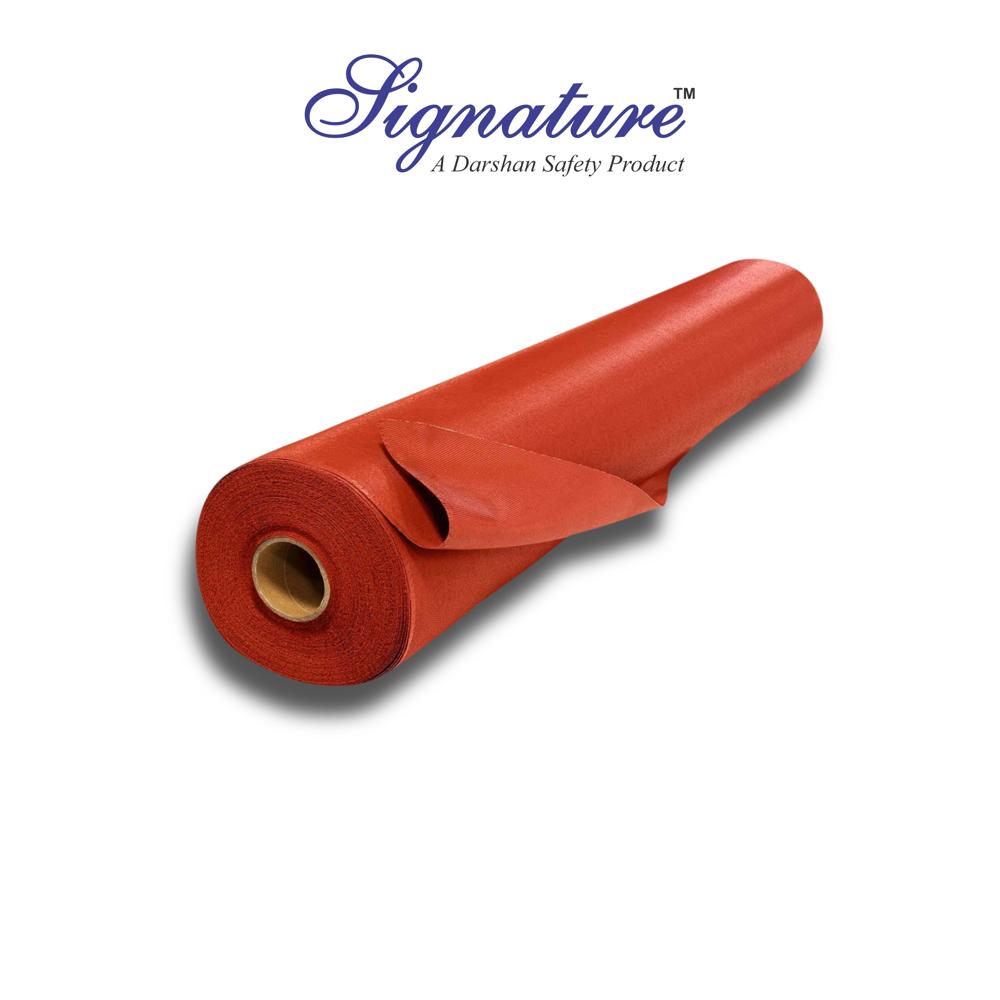
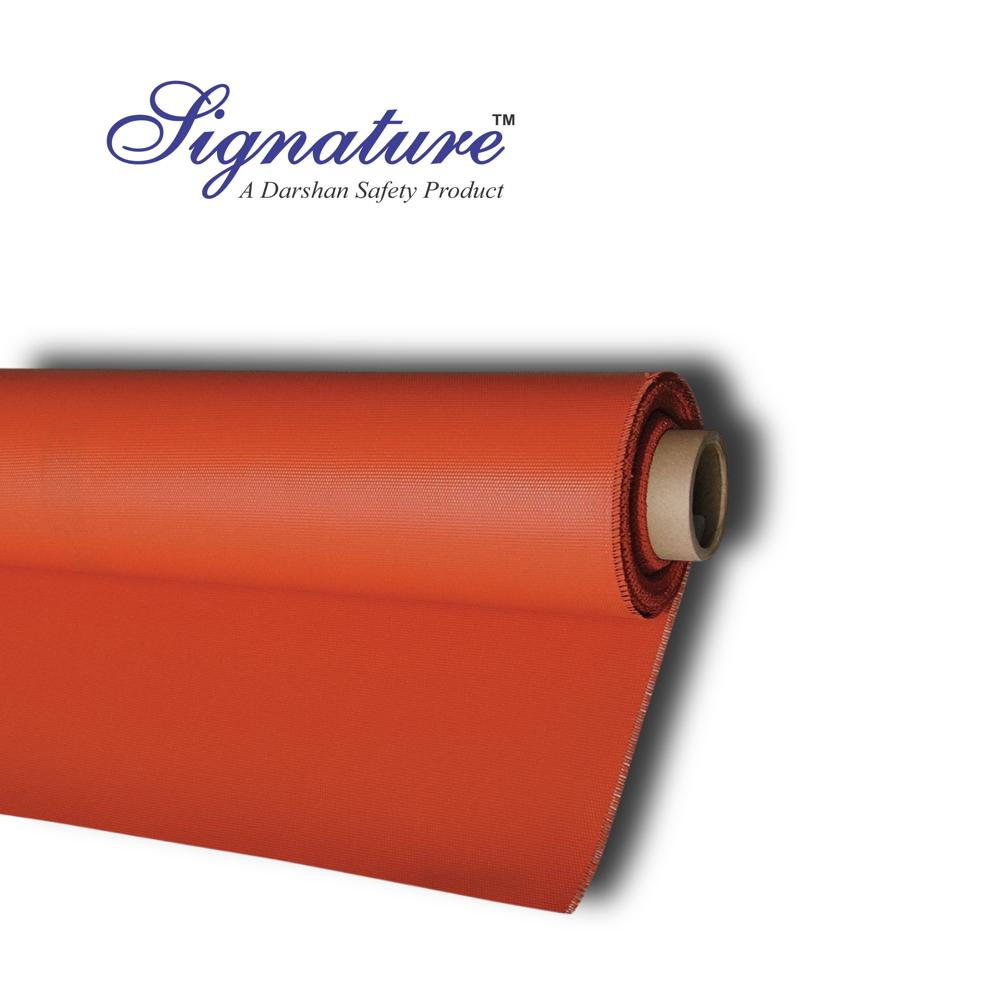
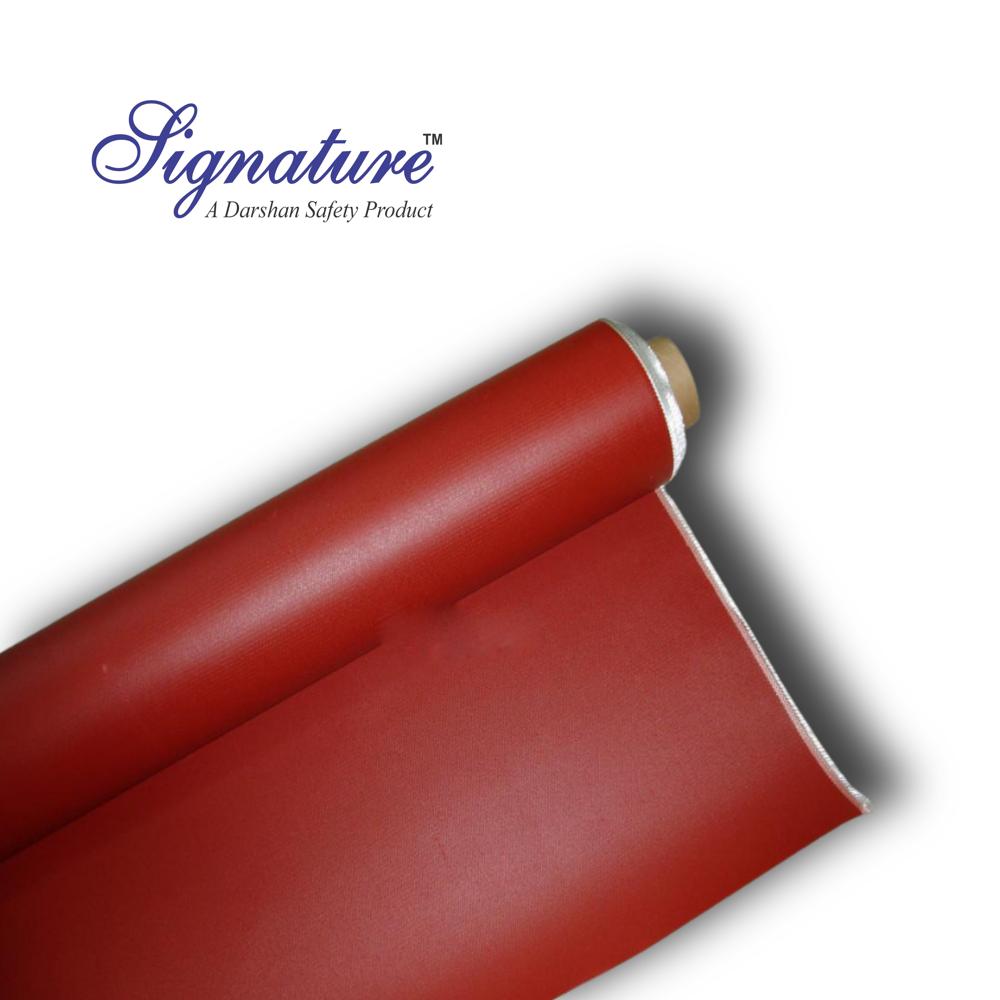
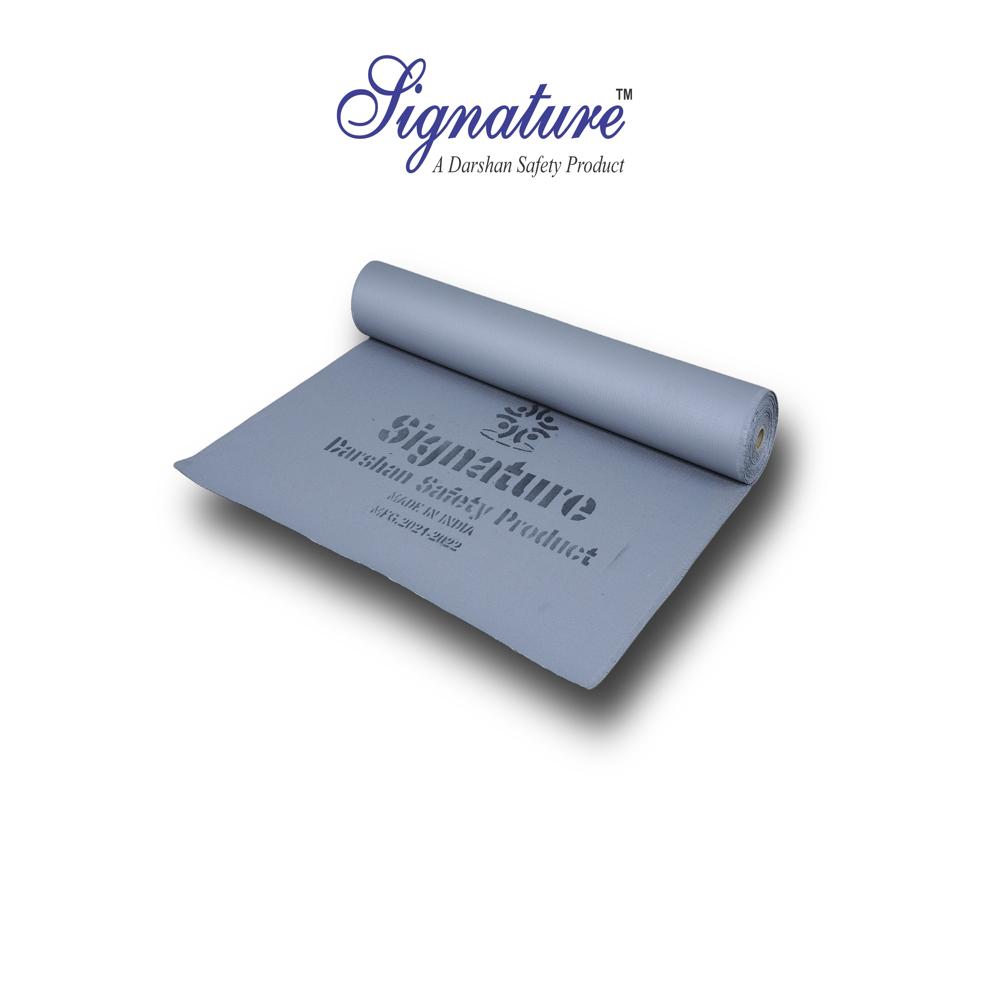
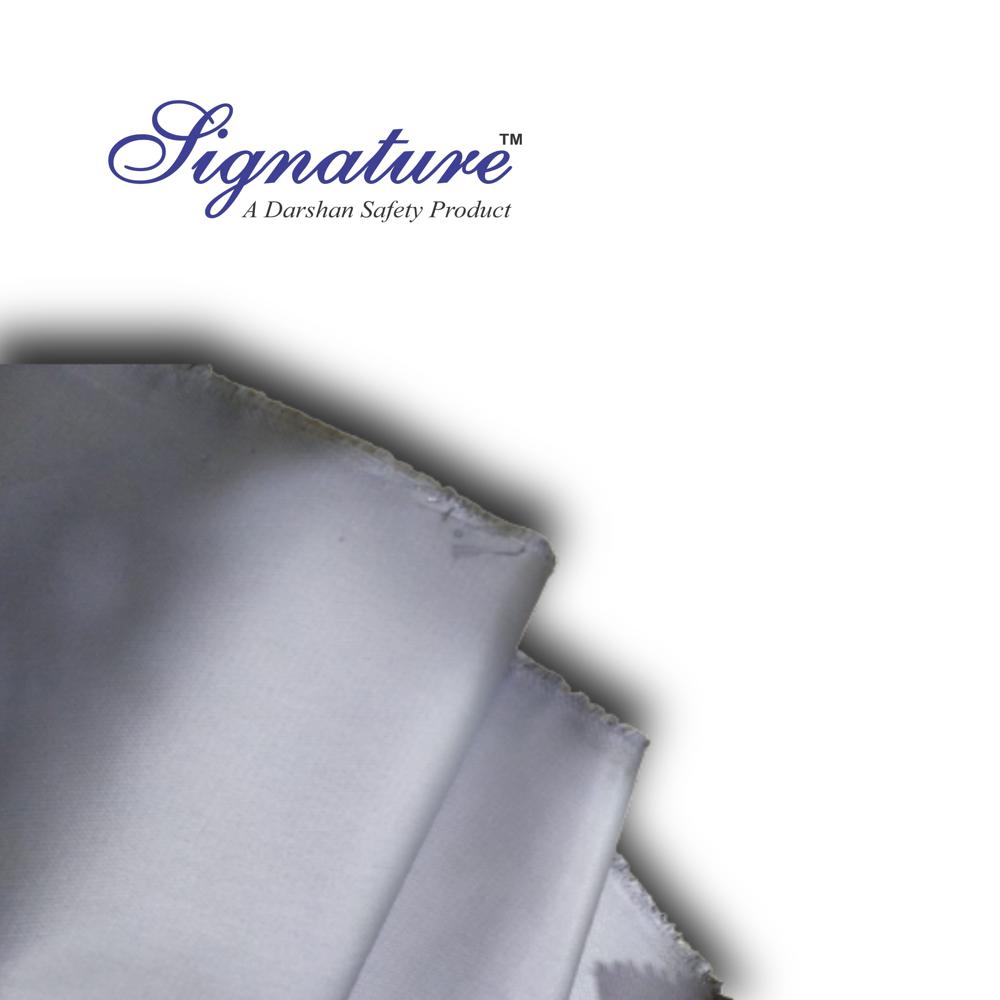
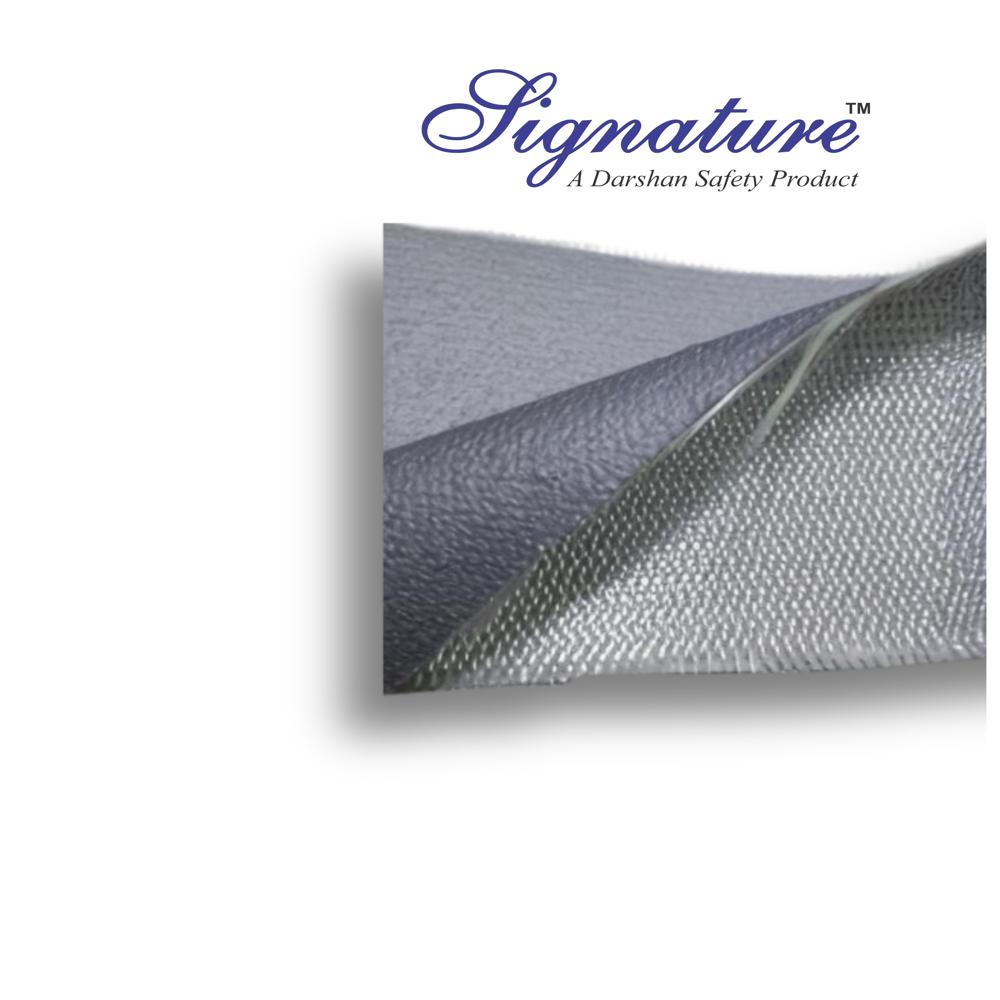
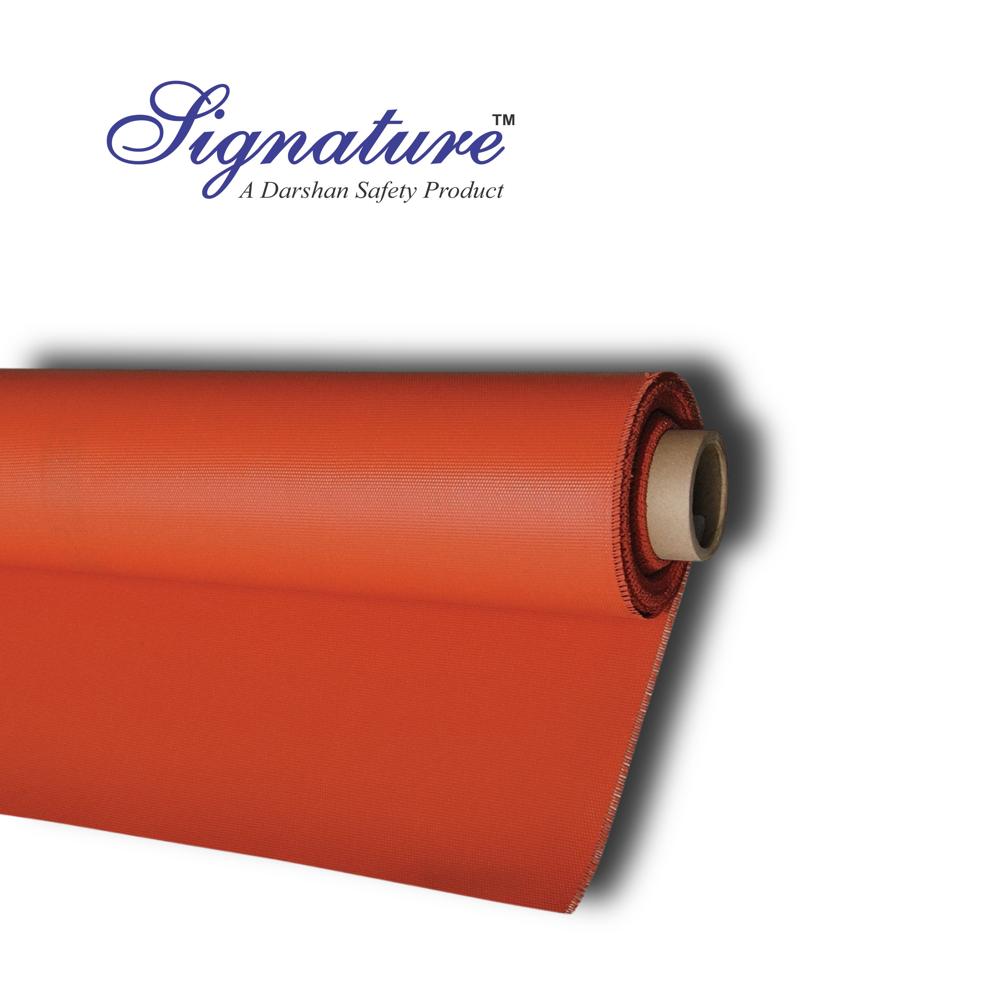
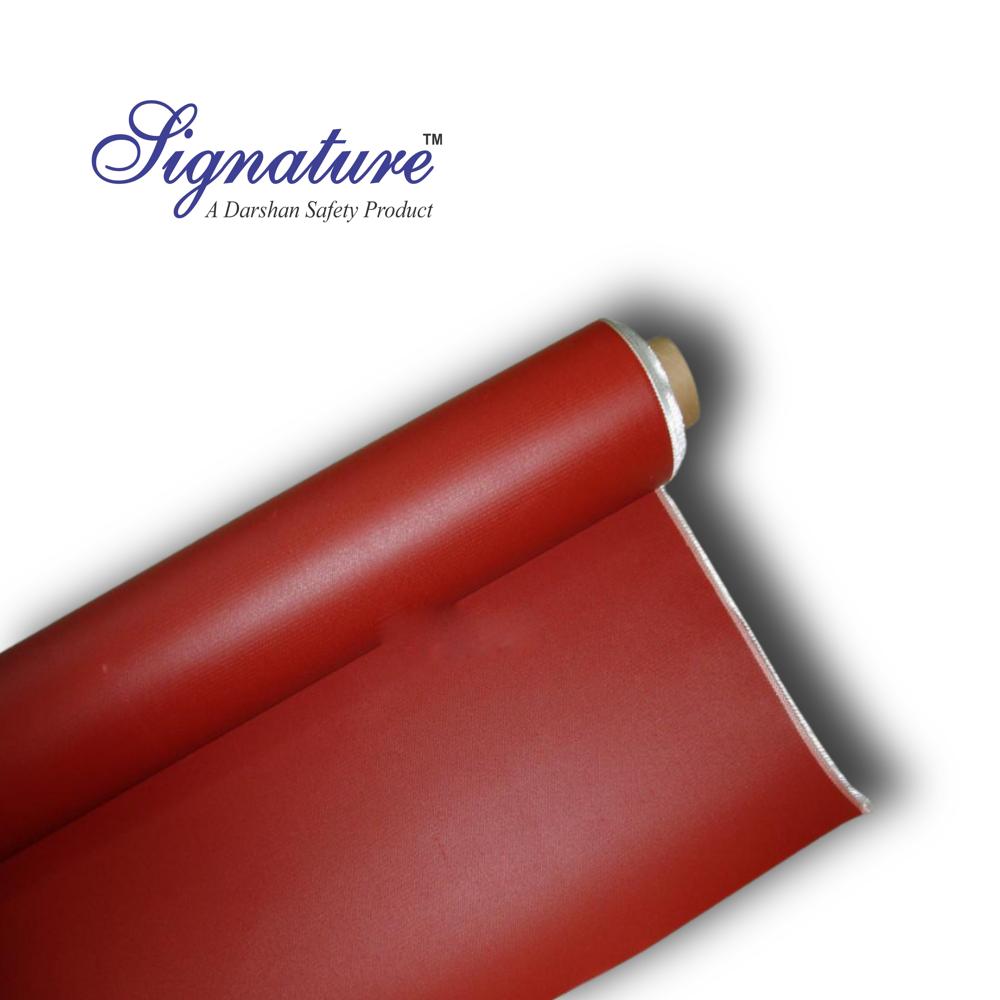
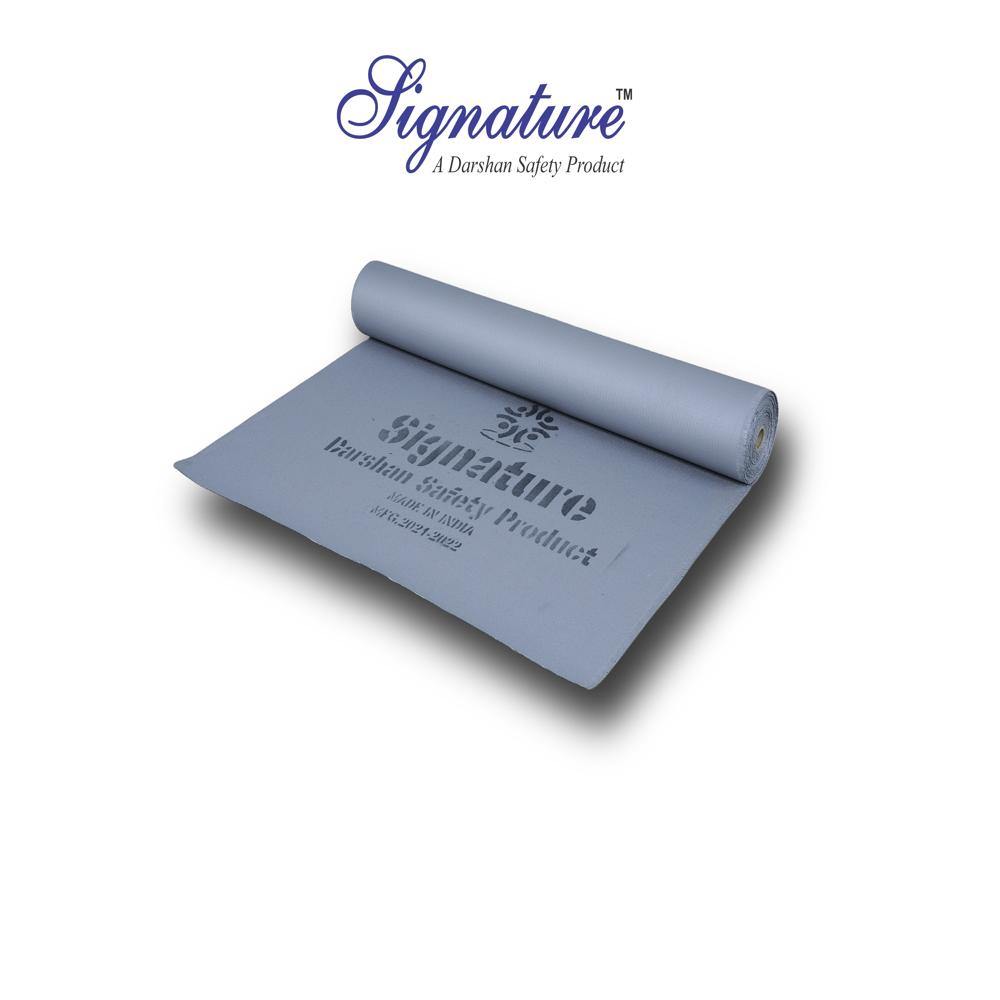
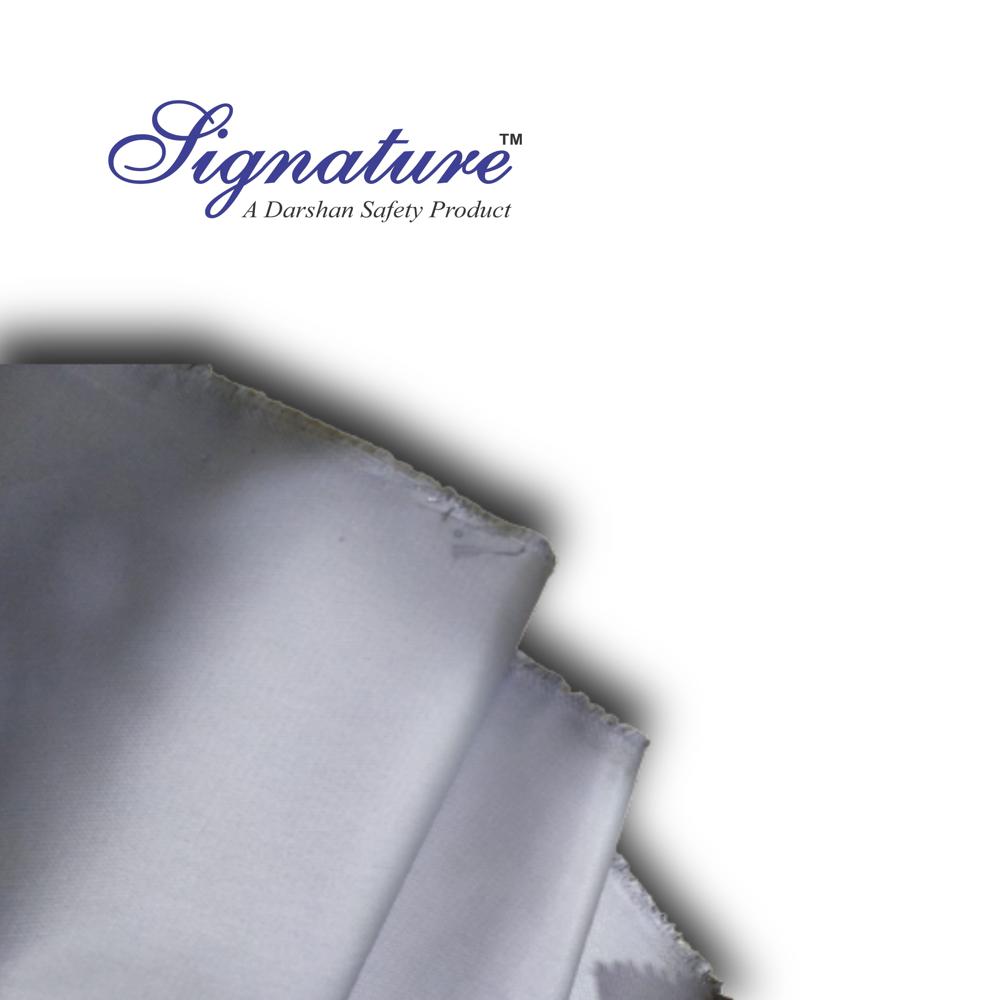
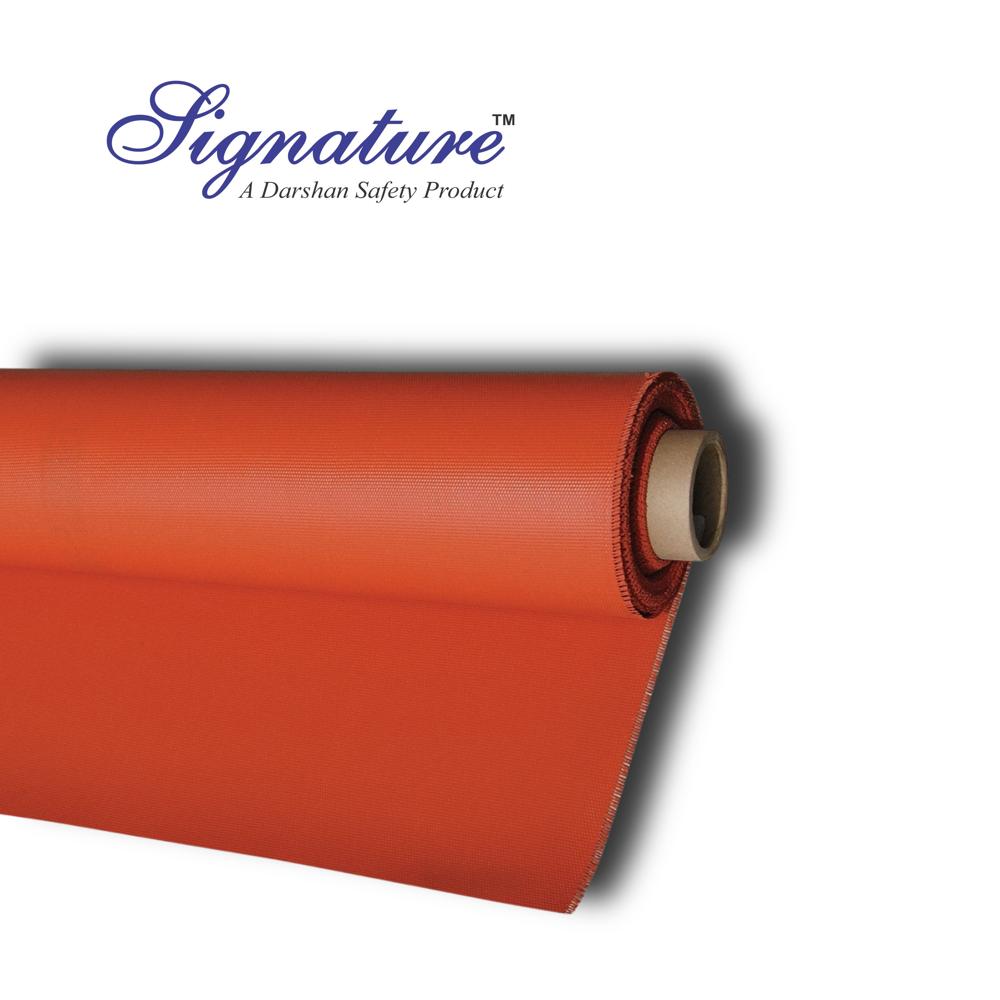
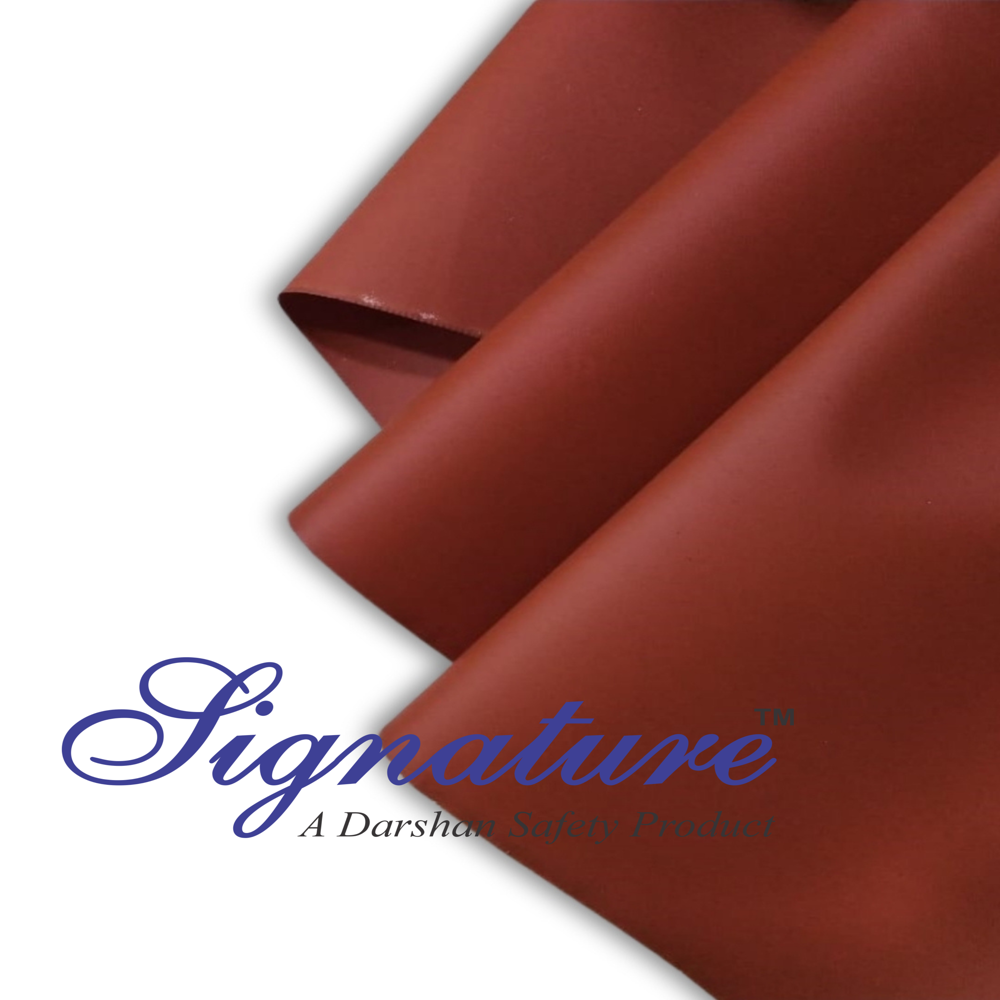
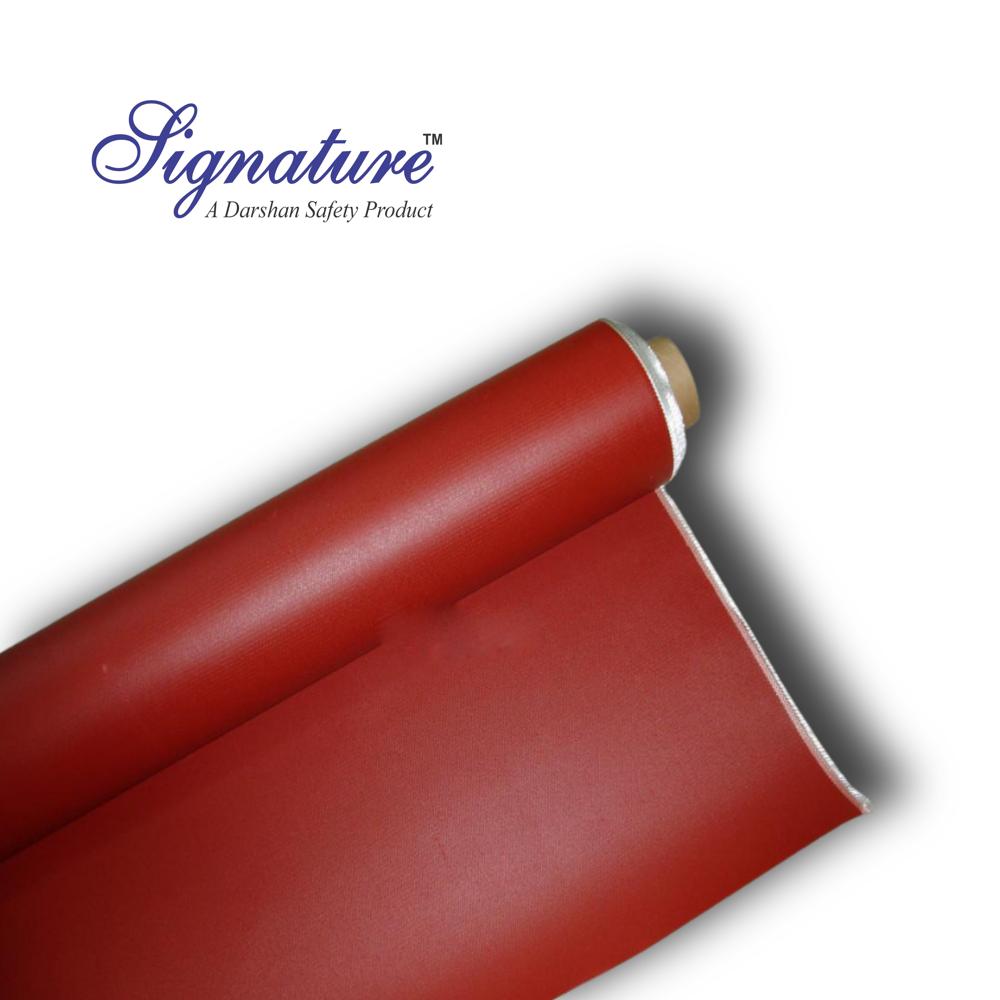
Signature Silicon Coated Fiberglass Fabric DSZSFG0.6
Premium Heat & Chemical Resistant Fabric
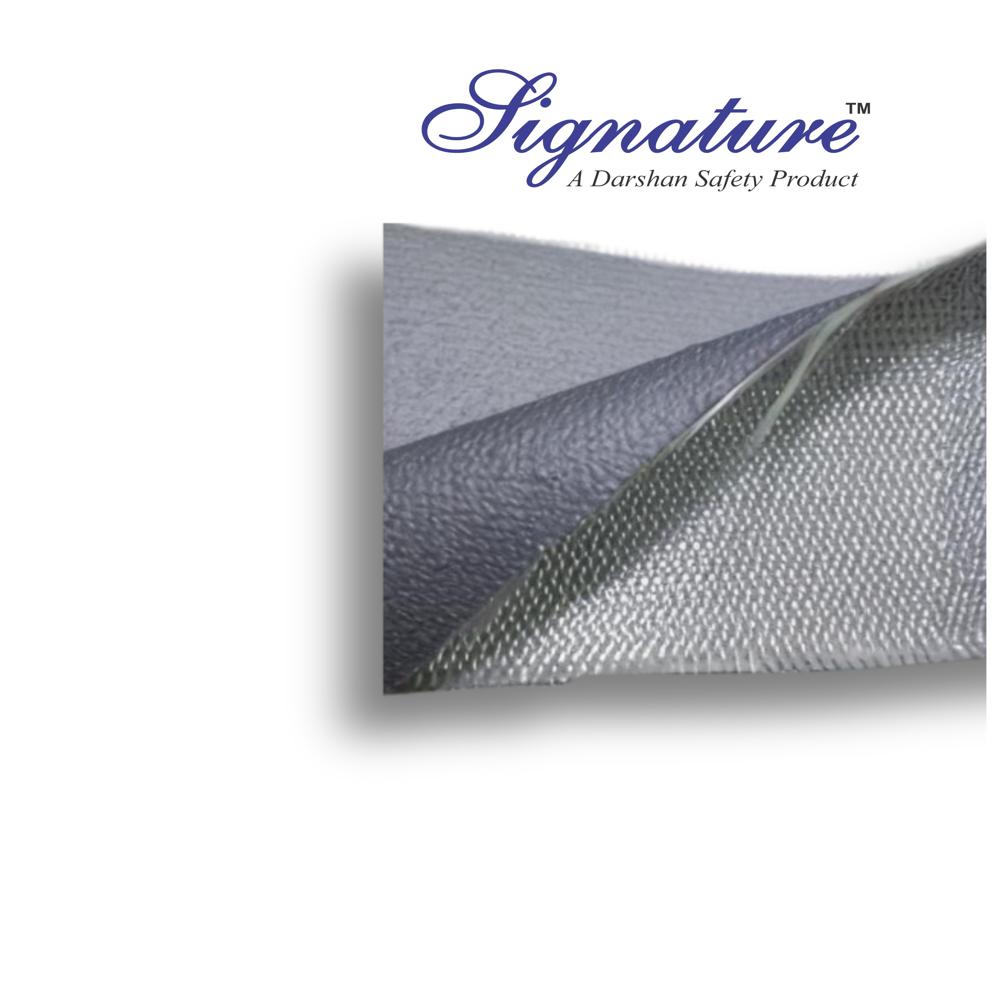
Coated/impregnated with special-formula silicone rubber on one or both sides of fiberglass fabric
Provides exceptional resistance to heat, sparks, chemicals, abrasion & moisture
Operating Temperature: -70 C to +650 C | Melting Point: 900 C
Available Thickness: 0.4, 0.5, 0.6, 0.8, 1.0, 1.2, 2.0, 3.0 mm
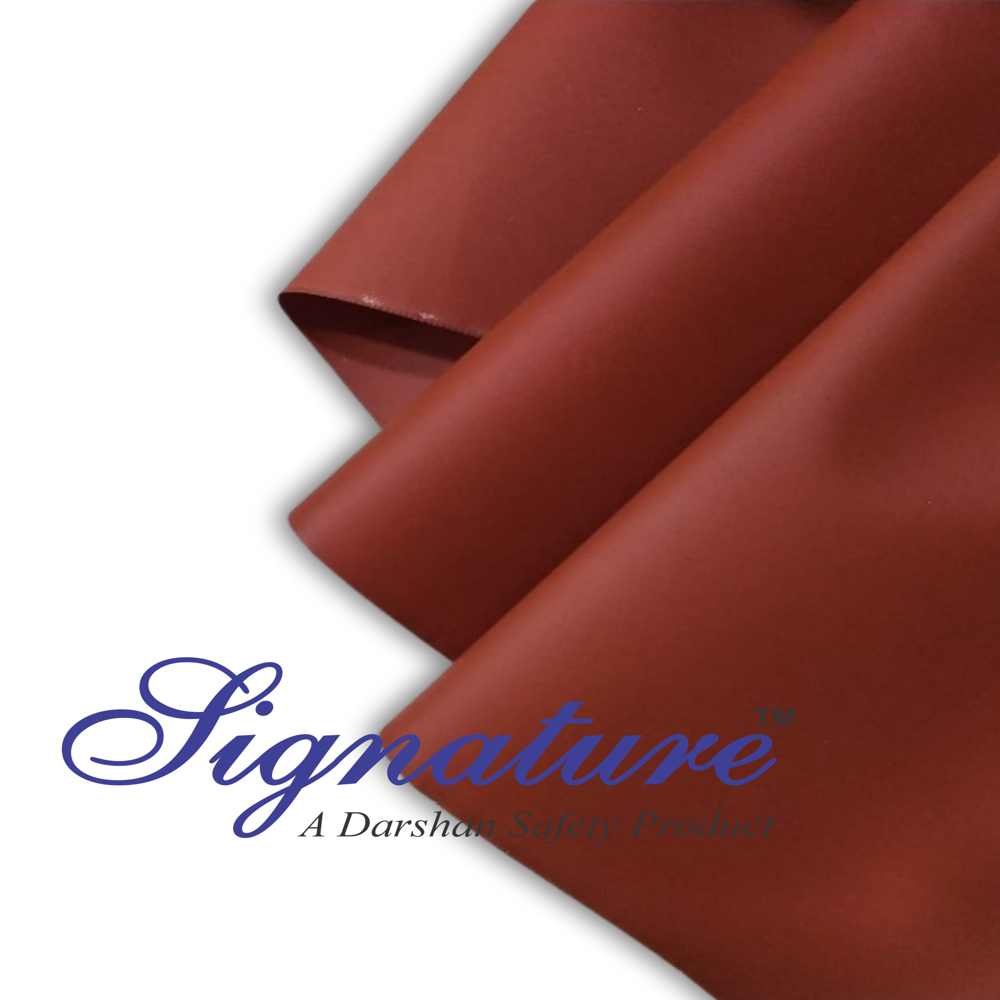
Colors: Grey, Red, Black | Weave Options: Plain, Satin
Size: 1 x 50 Meter | Conductive: No
Approved Standard: NFPA 701 (A & B)
Applications:
Removable/reusable insulation jackets, mattresses & pads
Fabric expansion joints & ductwork connectors
Furnace curtains, welding curtains, welding & fire blankets
Protective air cargo covers
Weather-proof & moisture-proof covers
Noise control barriers
Firefighting apparel
Industrial fiberglass textile reinforcements
Benefits of Silicon Coating:
Heat Resistance: Withstands extreme high temperatures
Durability: Excellent resistance to wear, abrasion & harsh chemicals
Waterproof & Weatherproof: Protects against moisture and environmental exposure
Easy Maintenance: Smooth, non-stick surface for quick cleaning
Cost-Effective: Excellent value with long-lasting performance
Extended Service Life: Reduces maintenance & replacement frequency
#SiliconCoatedFabric #FiberglassFabric #HeatResistantFabric #ThermalInsulation #IndustrialSafety #FireBlanketMaterial #WeldingCurtains #HighTemperatureProtection #NFPA701
Exceptional Heat Resistance for Demanding EnvironmentsThis fiberglass fabric mat is expertly designed to provide outstanding thermal resistance, tolerating temperatures up to 1100C. Its application spans critical settingssuch as welding areas, furnace linings, fire blankets, and high-temperature sealingensuring both safety and durability in intense heat conditions. The golden coating enhances both resistance and longevity, making it a dependable solution for industrial insulation needs.
Versatile Applications Across IndustriesIdeal for use in industries like aerospace, foundry, and manufacturing, this fiberglass fabric mat serves multiple purposes: from forming protective fire blankets, and lining expansion joints, to providing shielding during welding tasks. Its flat, coated construction ensures easy integration into new setups or upgrades, offering practical heat and fire resistance wherever safety or insulation is a primary concern.
FAQs of Fiberglass Fabric Mat:
Q: How is the fiberglass fabric mat used in thermal insulation applications?
A: The mat is laid flat over surfaces or wrapped around equipment needing thermal protection. Its high silica content and coated finish offer superior heat resistance, making it effective for insulating furnaces, pipes, and other high-temperature areas.
Q: What benefits does the fiberglass fabric mat provide in welding protection?
A: Its ability to withstand temperatures up to 1100C makes it an excellent barrier against heat, sparks, and molten metal splatter during welding, reducing the risk of fire and equipment damage while safeguarding workers.
Q: When should I choose a coated fiberglass fabric mat over an uncoated one?
A: Opt for the coated mat when extra resistance to abrasion, moisture, and prolonged heat exposure is required. The coating provides enhanced durability and extended service life in challenging industrial environments.
Q: Where can the fiberglass fabric mat be effectively installed?
A: Its suitable for use in factories, workshops, manufacturing plants, and aerospace facilities where high-temperature insulation, fire protection, or welding shielding is essential. Its flexible, flat shape facilitates use in various spaces.
Q: What is the primary process for installing the fiberglass mat as a fire blanket?
A: To use as a fire blanket, simply unfold the mat and place it over flames or hazardous zones to contain and smother fires. Its robust material interrupts the oxygen supply, effectively suppressing fire spread.
Q: What are the key advantages of this fiberglass mat in industrial settings?
A: Its high temperature tolerance, lightweight structure, and coated durability ensure reliable thermal insulation, fire, and welding protection, all contributing to enhanced workplace safety and streamlined maintenance in harsh industrial environments.


 Send Inquiry

 Product Video




 English
 Spanish
 French
 German
 Italian
 Chinese (Simplified)
 Japanese
 Korean
 Arabic
 Portuguese


 Send Inquiry
 Send SMS
 Call Me Free