

 Send Inquiry
Call us
08045479967
Call us
08045479967

 Product Video
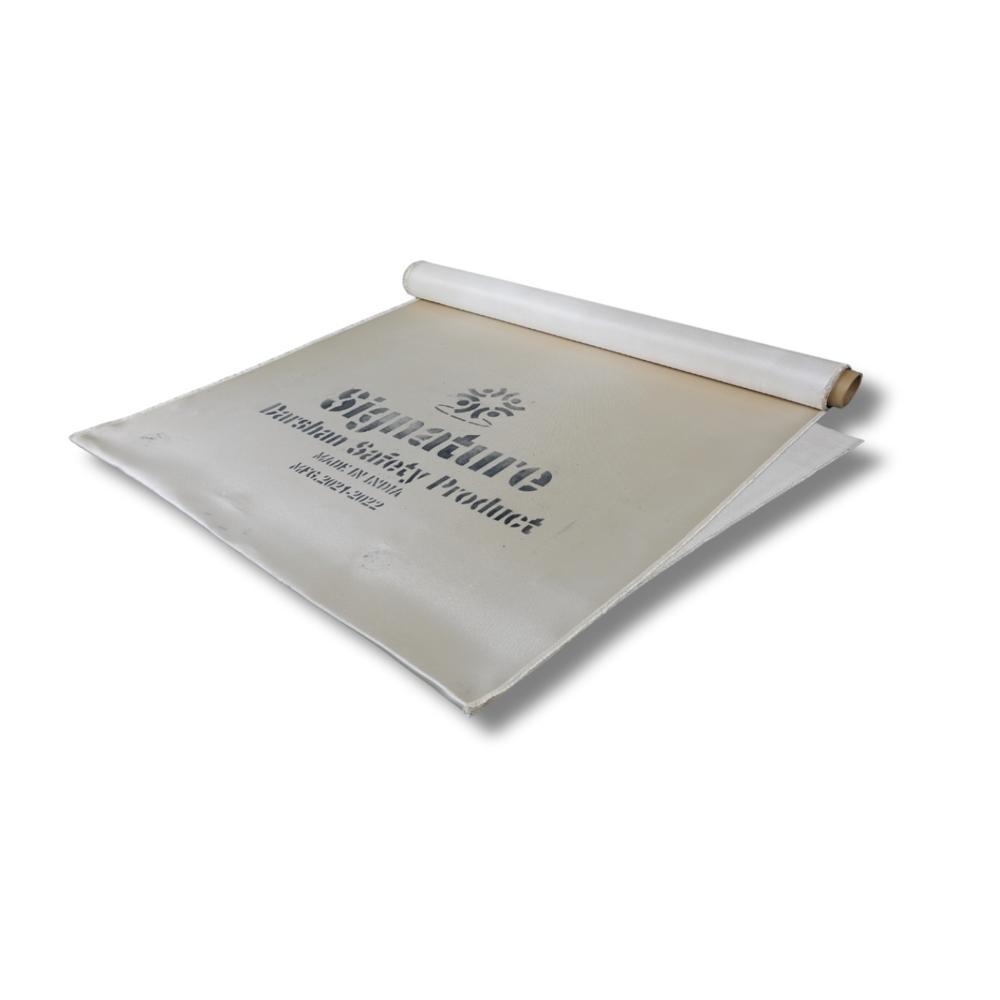
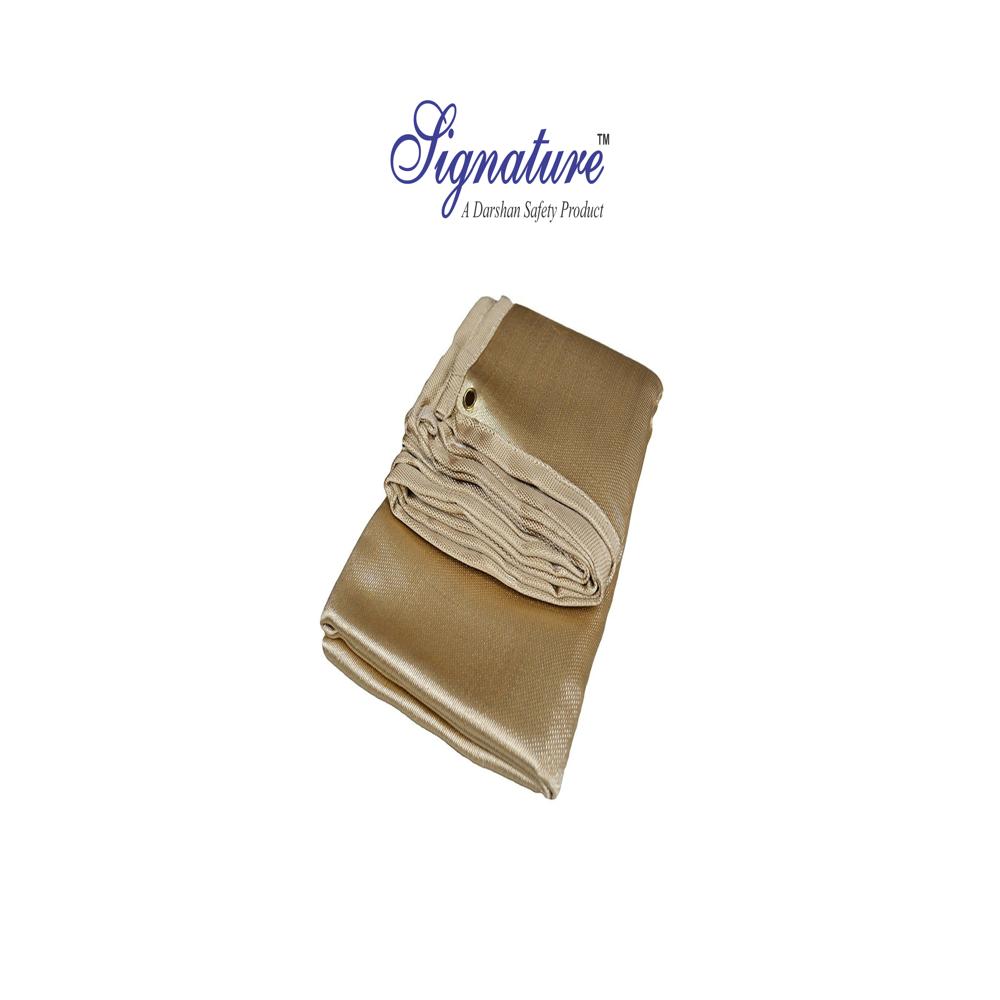
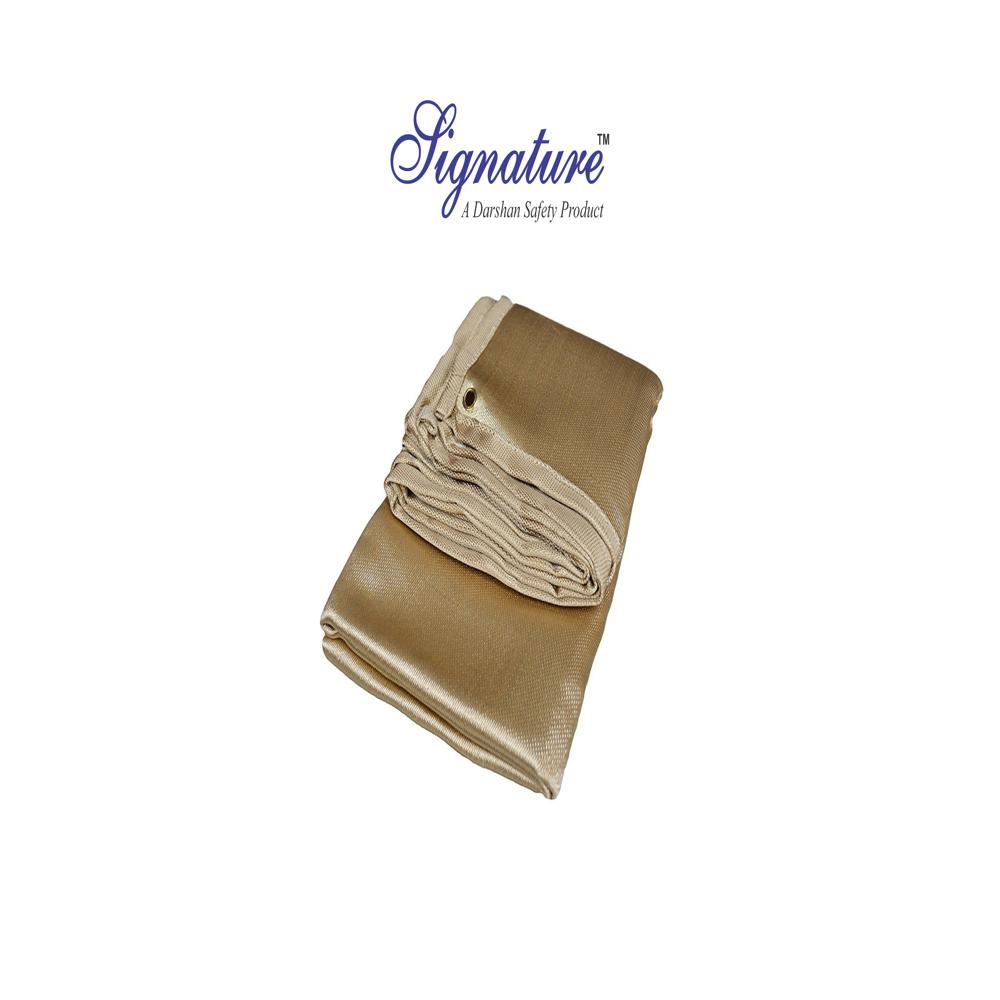
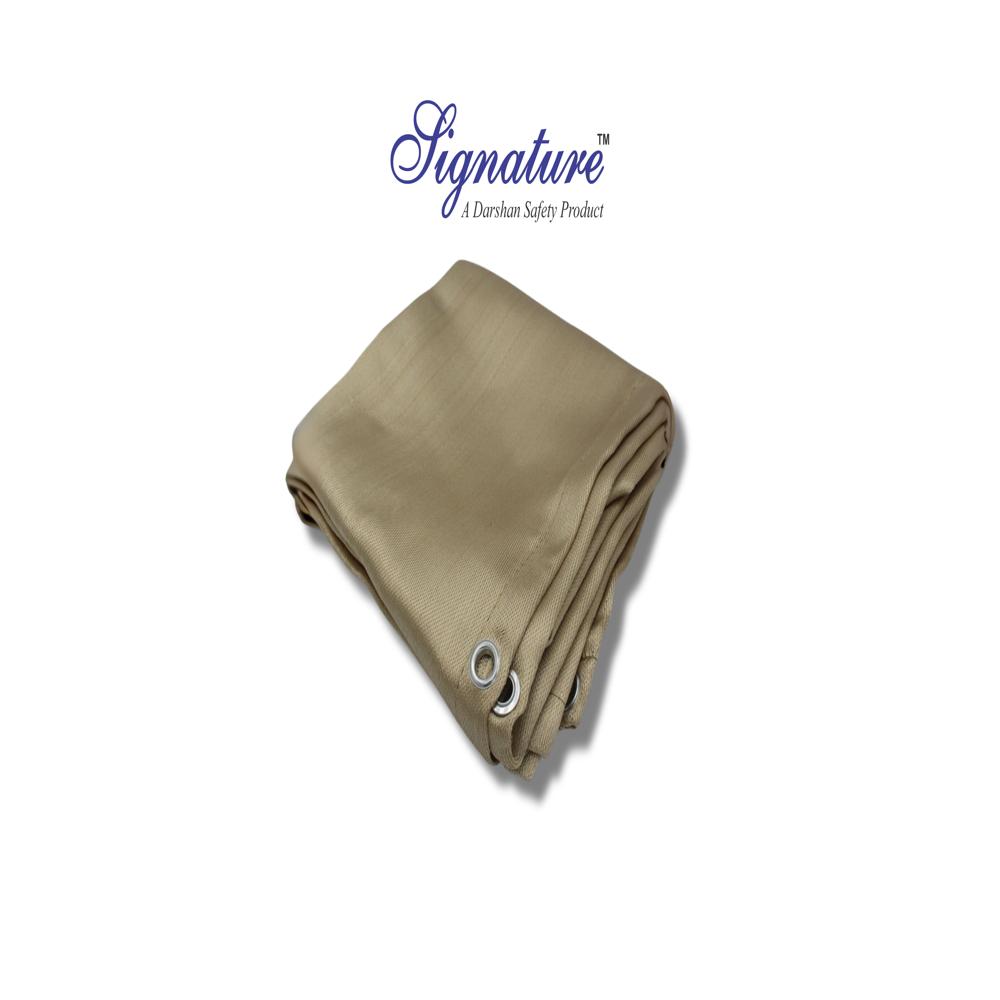
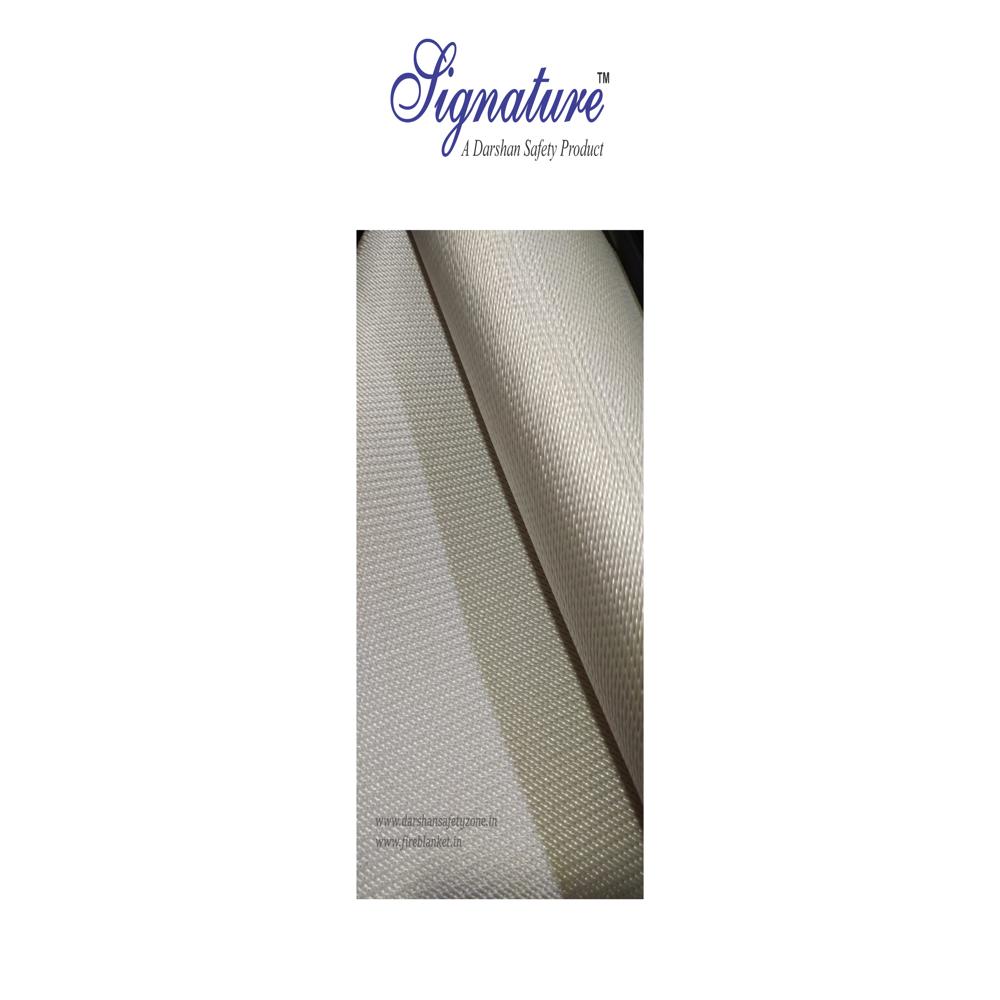
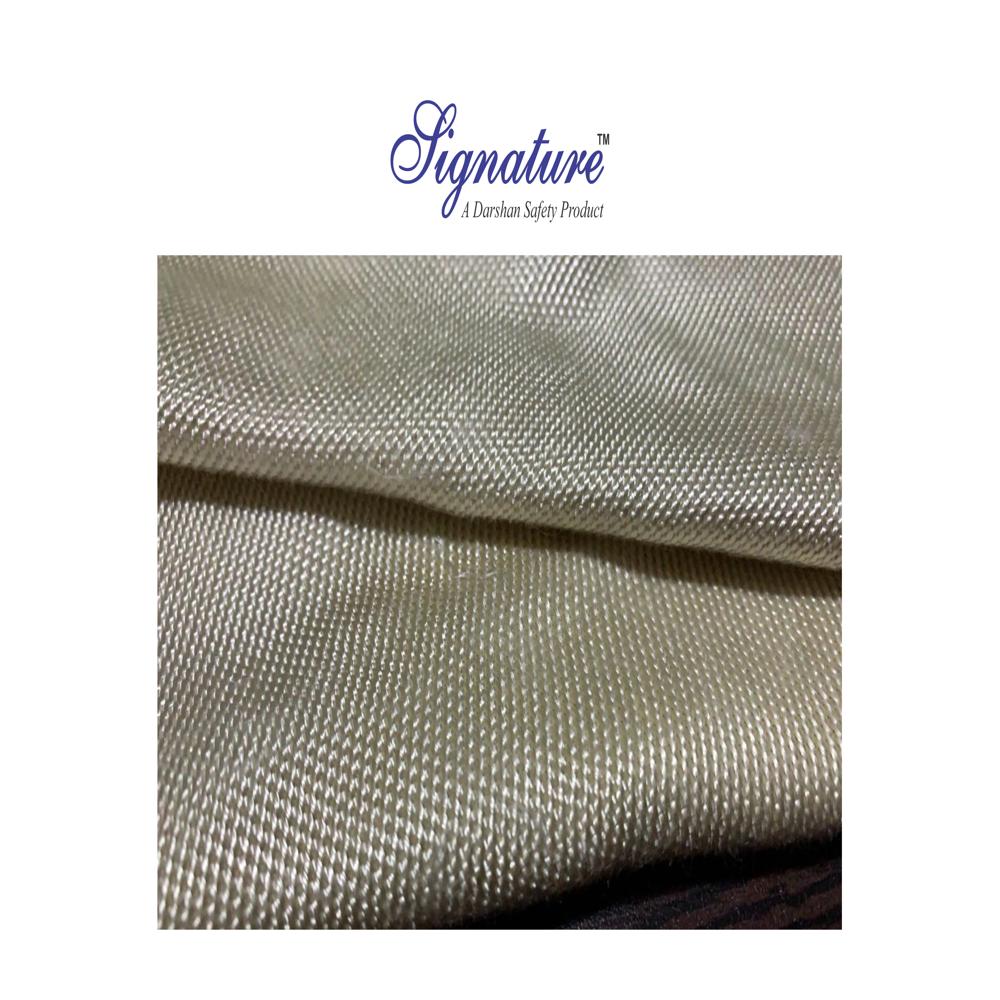
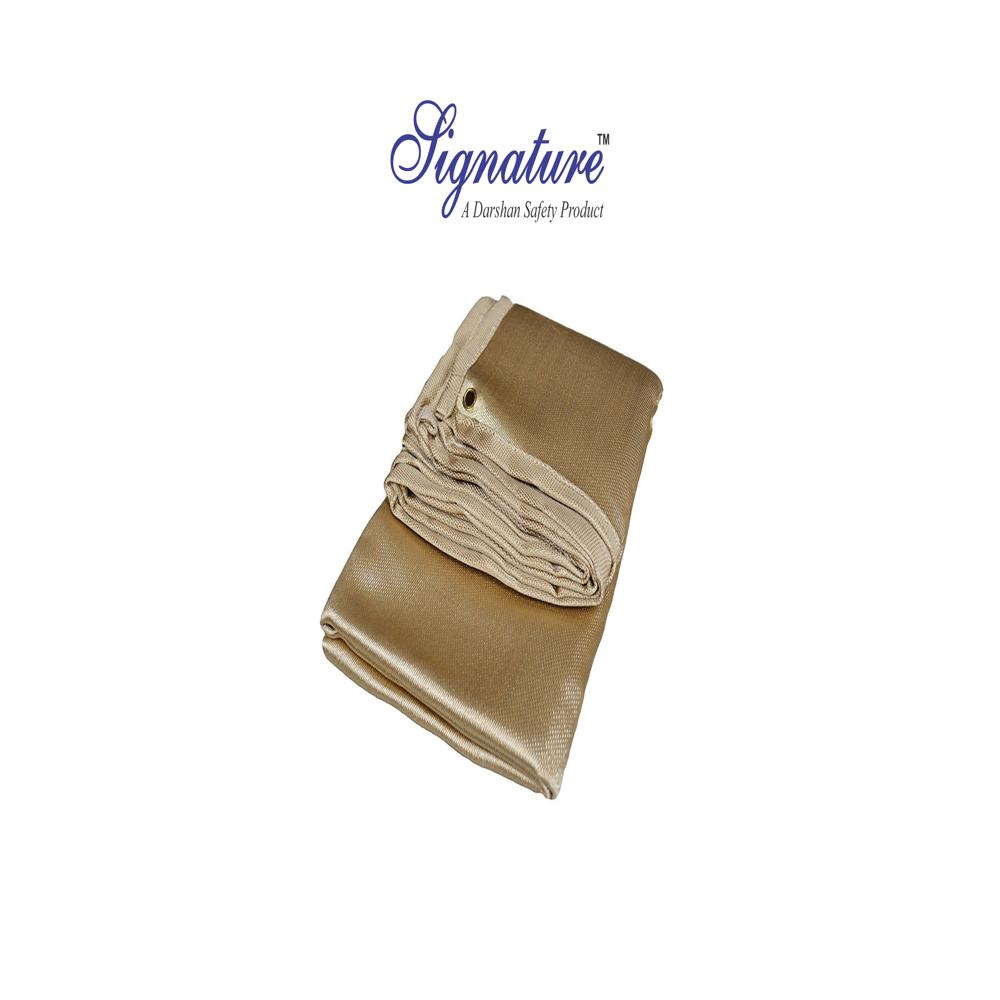
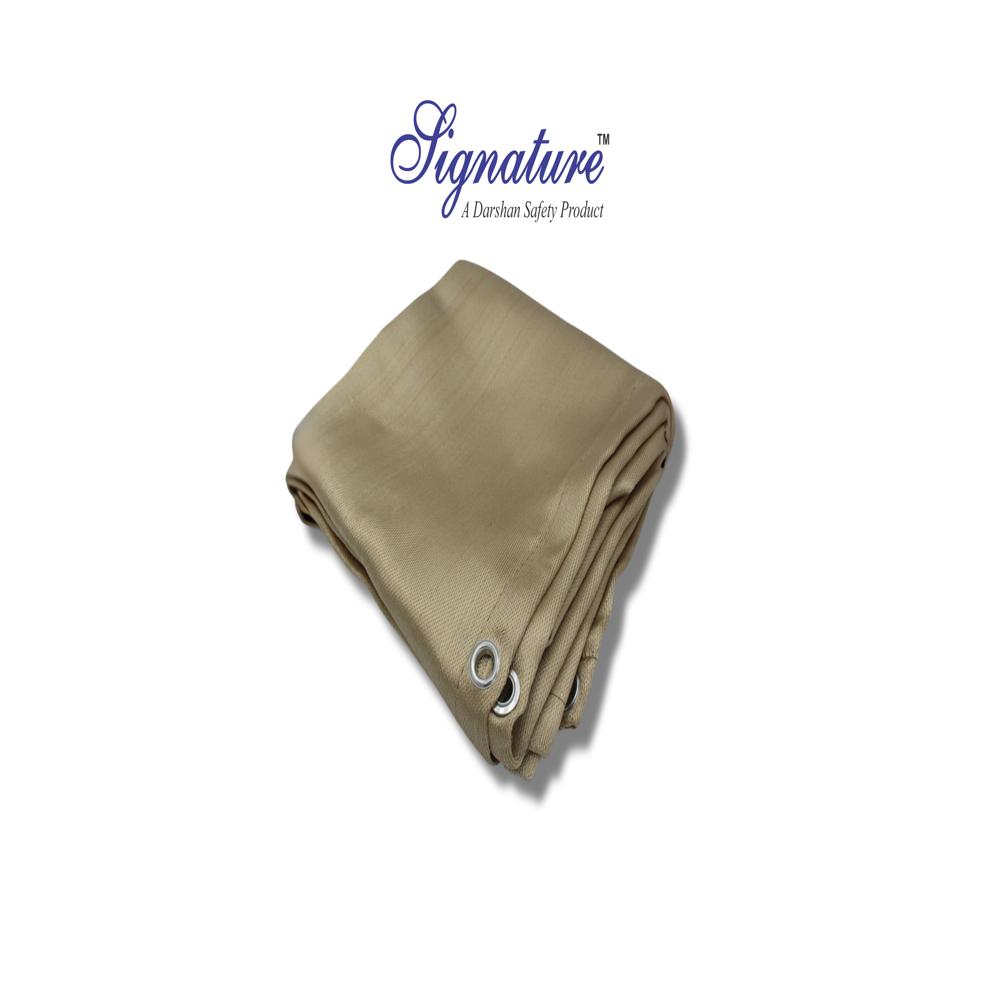
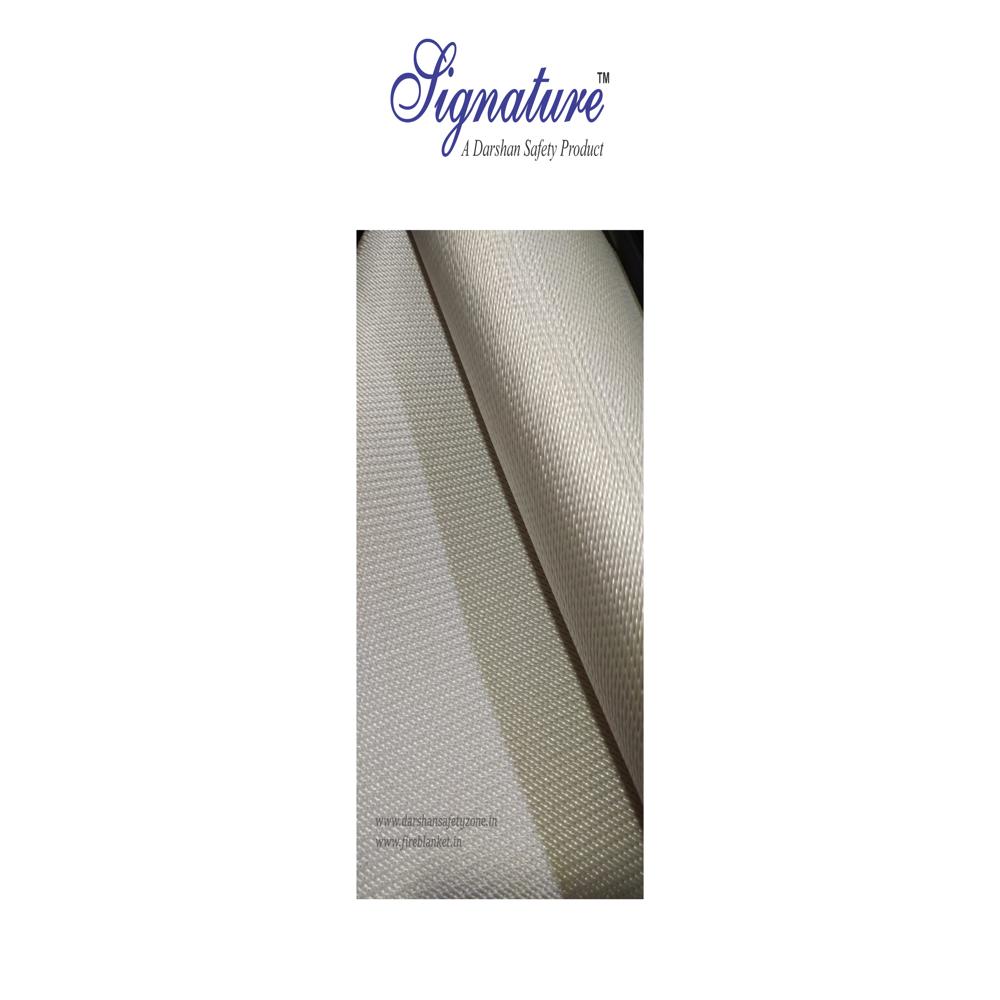
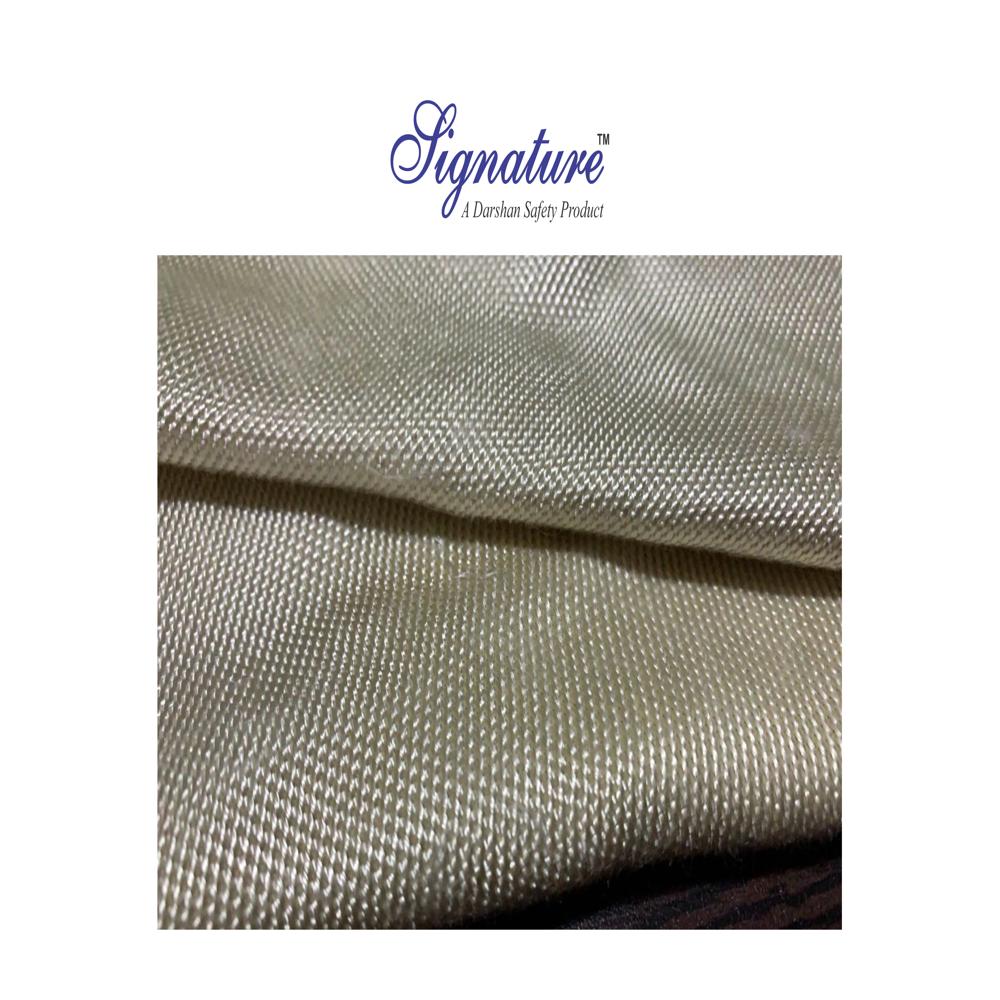
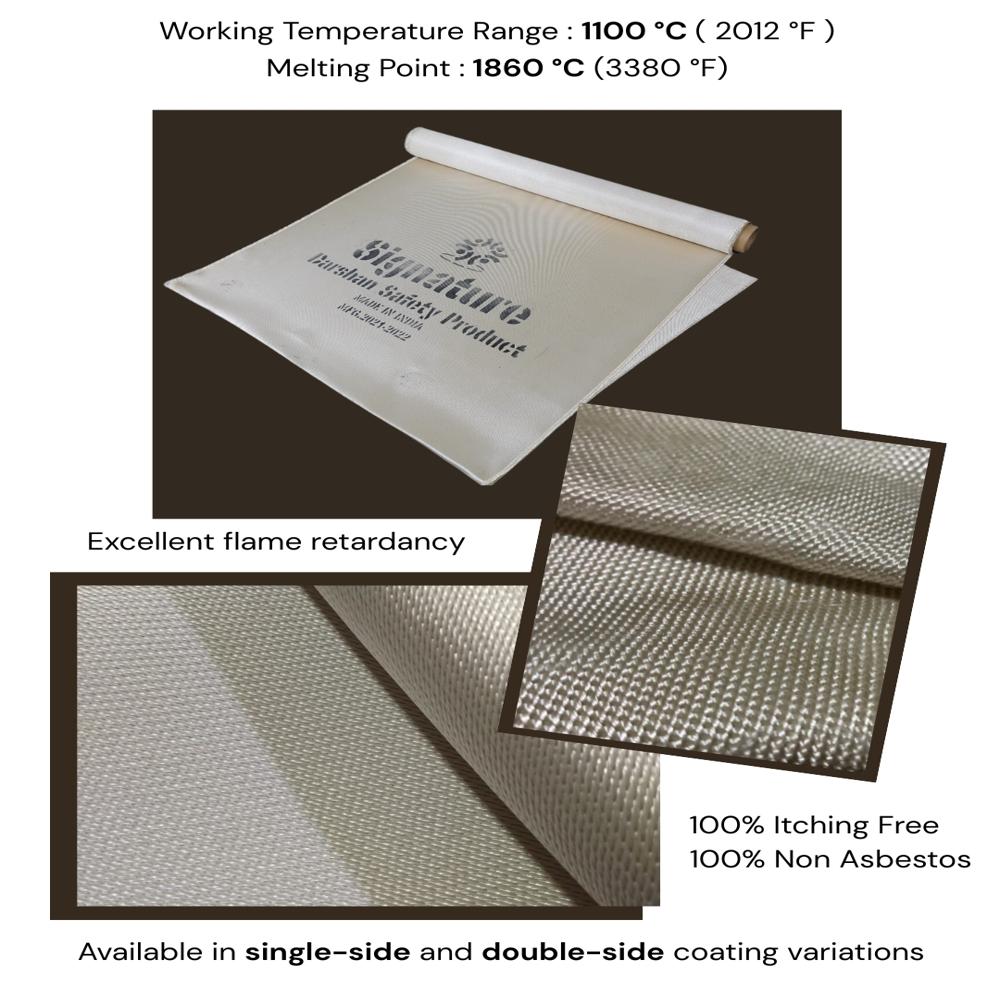
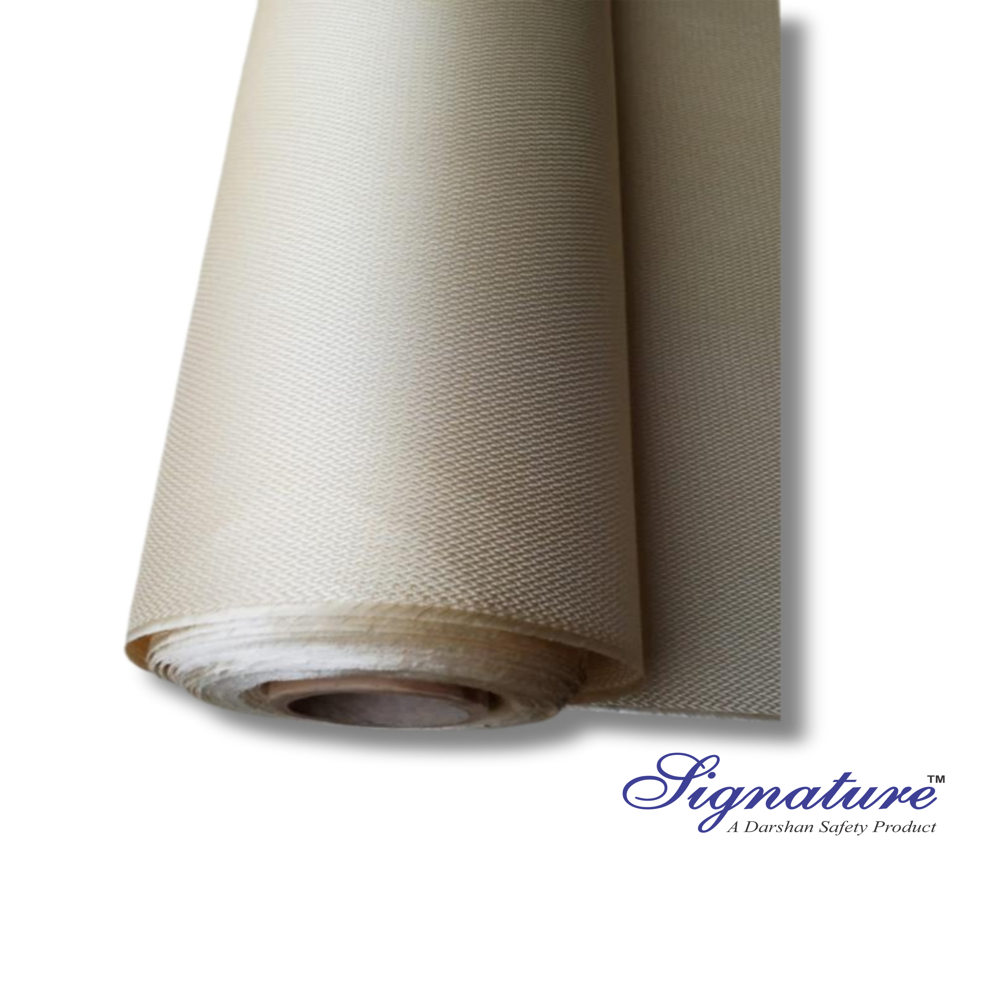
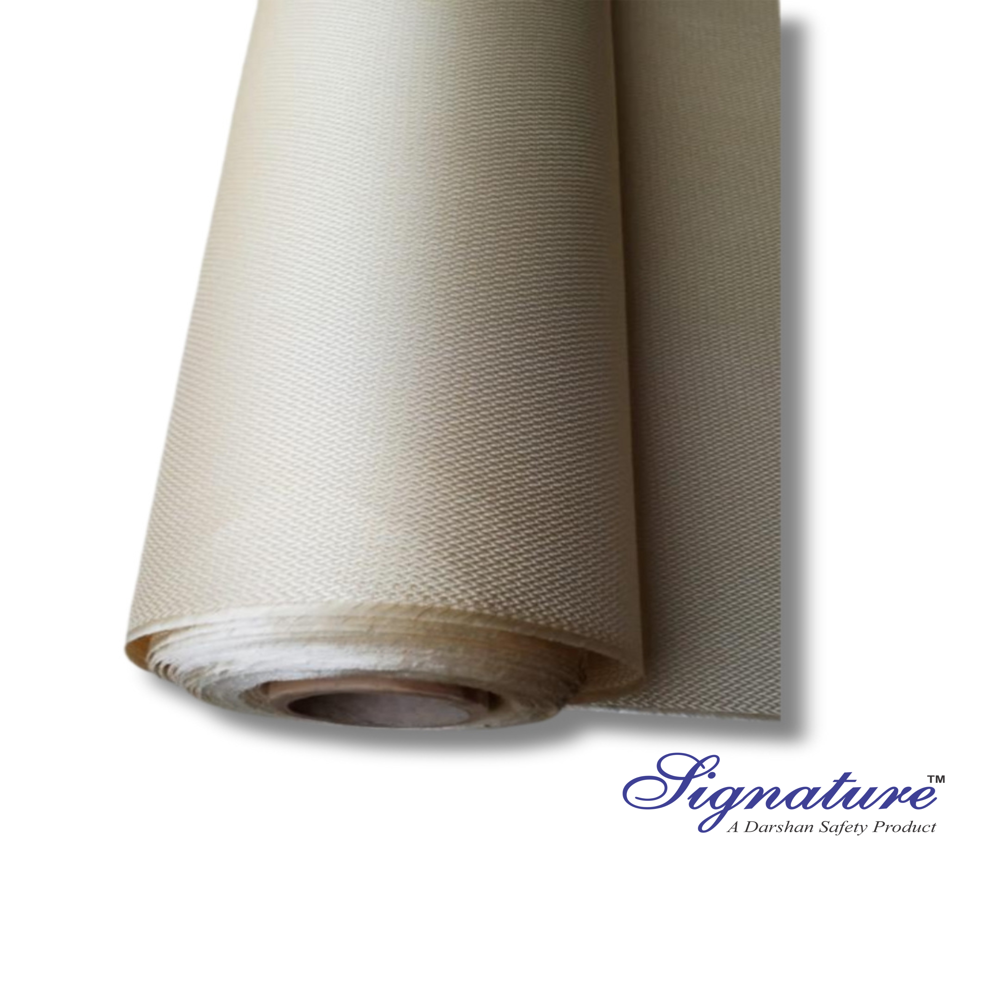
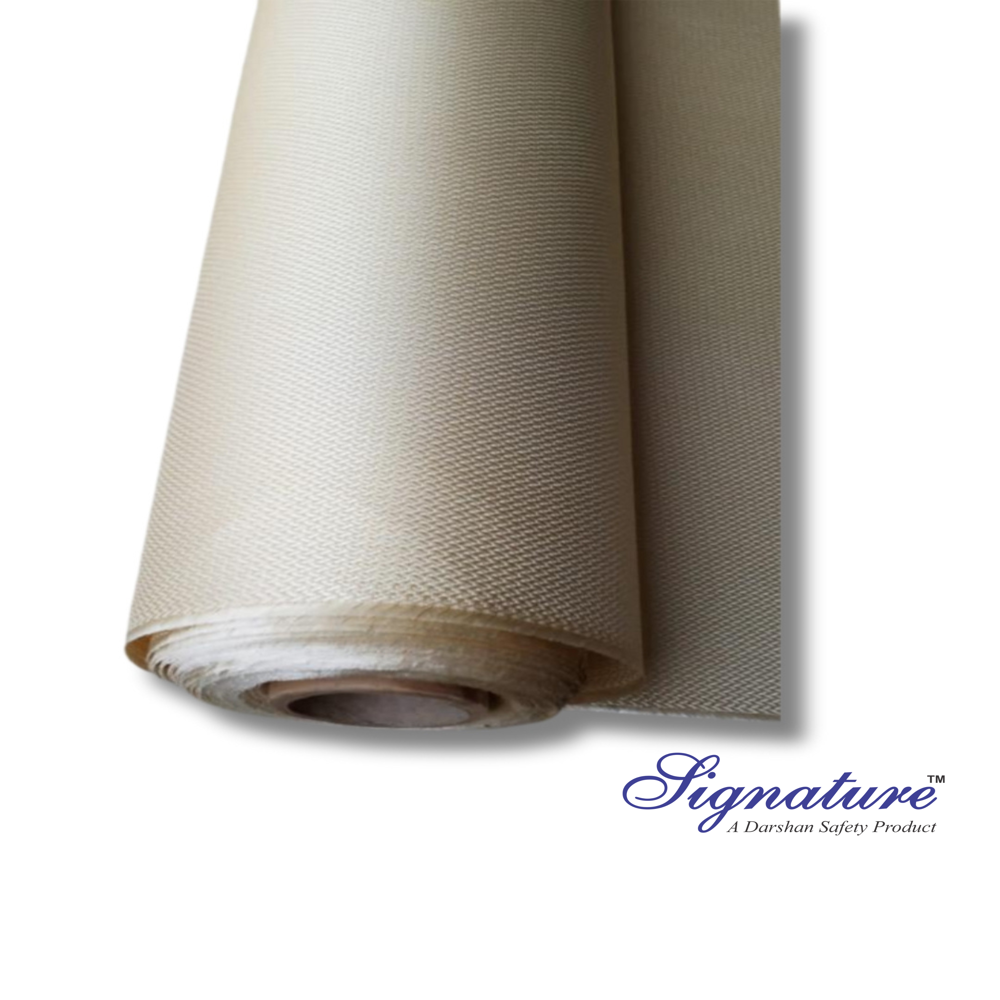
We are engaged in offering High Silica Fabric, a specialized high-performance textile made from inorganic fiberglass fabric with over 96% SiO content after calcination. The fabric undergoes acid treatment and calcination, resulting in a higher softening point, density, and exceptional durability.
With its 8H & 12H satin weave construction, High Silica Fabric provides excellent flexibility, high tensile strength, and stable physical & chemical properties. It is 100% non-asbestos, 100% itch-free, flame retardant, and resistant to thermal shock, making it ideal for extreme high-temperature applications.
Technical Specifications:
Thickness: 0.8 mm & 1.4 mm
Weight: 900 GSM & 1200 GSM
Color: Golden
Width: 1000 mm (standard)
Roll Length: 50 meters
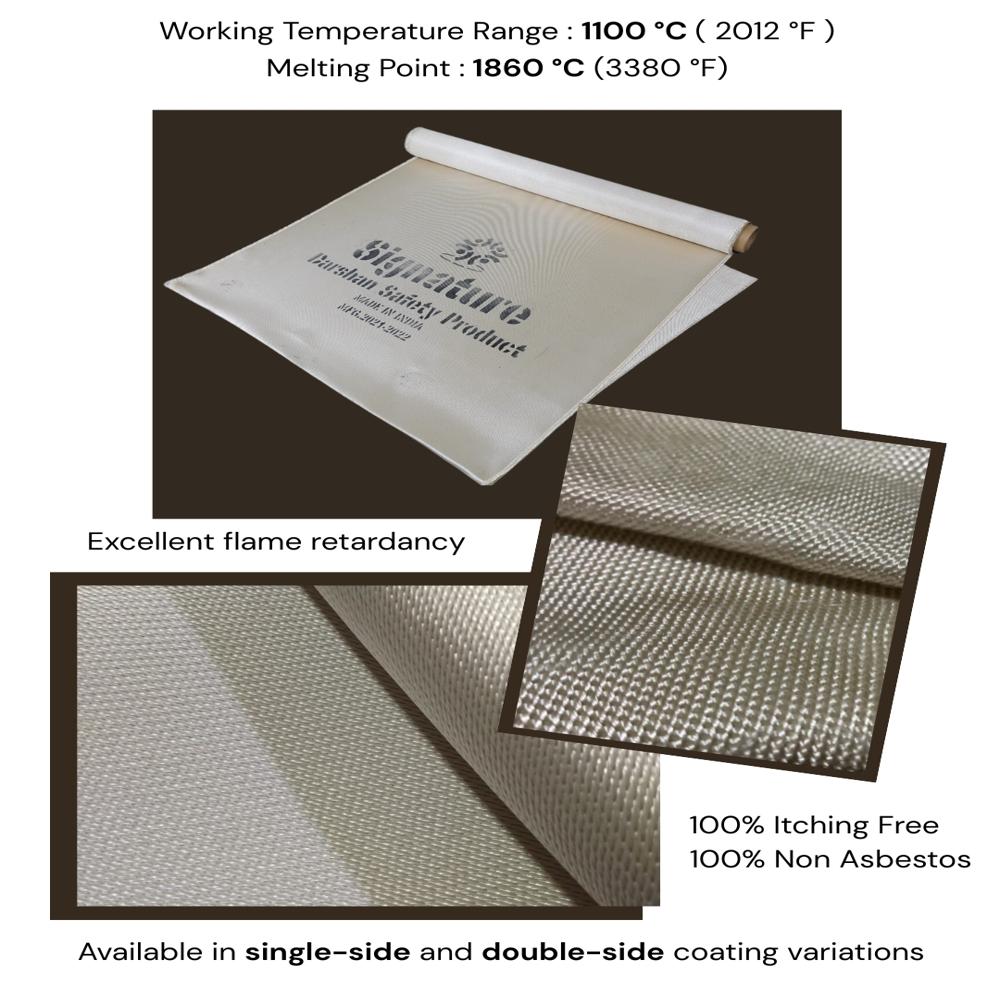
Working Temperature: Up to 1100 C (2012 F)
Melting Point: 1860 C (3380 F)
Key Features:
100% non-asbestos and eco-friendly
100% itch-free for safe handling
Excellent thermal stability and flame retardancy
High durability with resistance to thermal shock
Enhanced strength with satin weave construction
Long service life in harsh conditions
Applications:
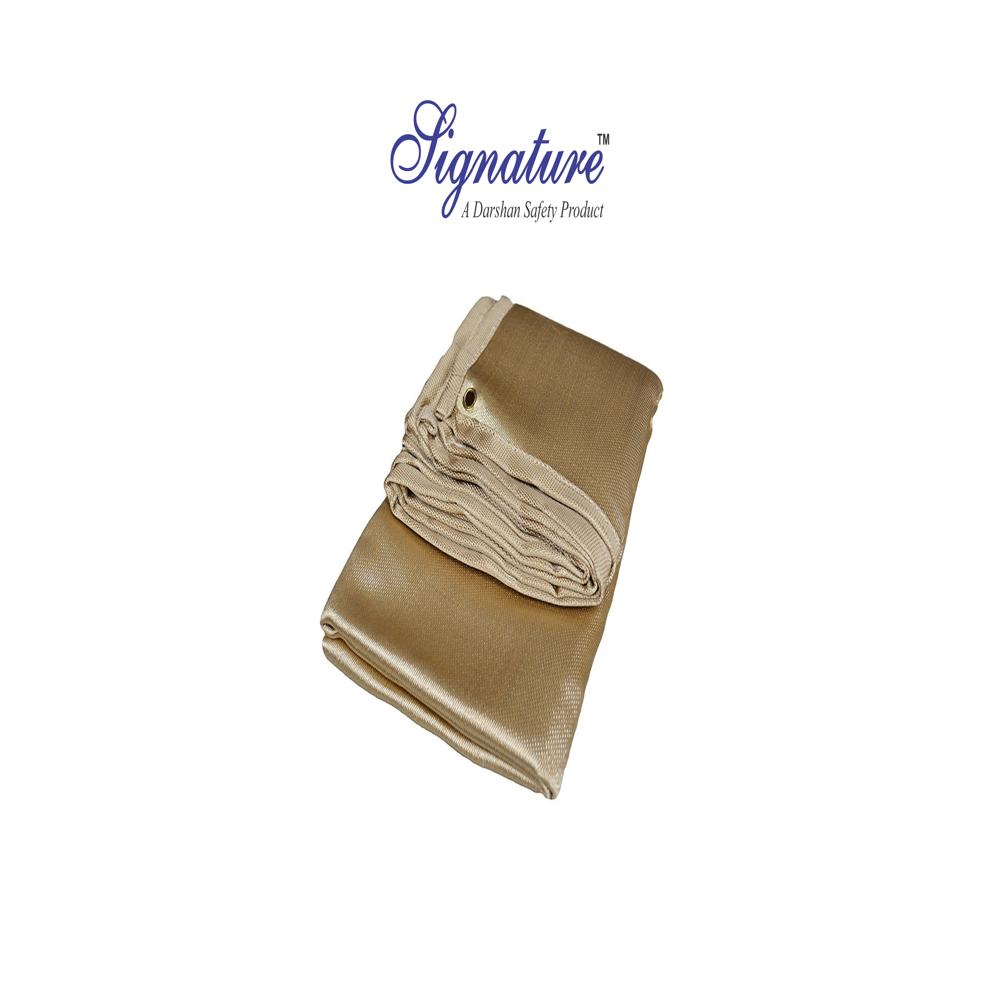
Welding blankets, pads, and curtains
Heat shields and thermal protection barriers
Furnace, kiln, and reactor insulation
Aerospace and defense thermal systems
Industrial foundries and metal casting
High-temperature expansion joints and seals
Silicon Coated High Silica Fabric
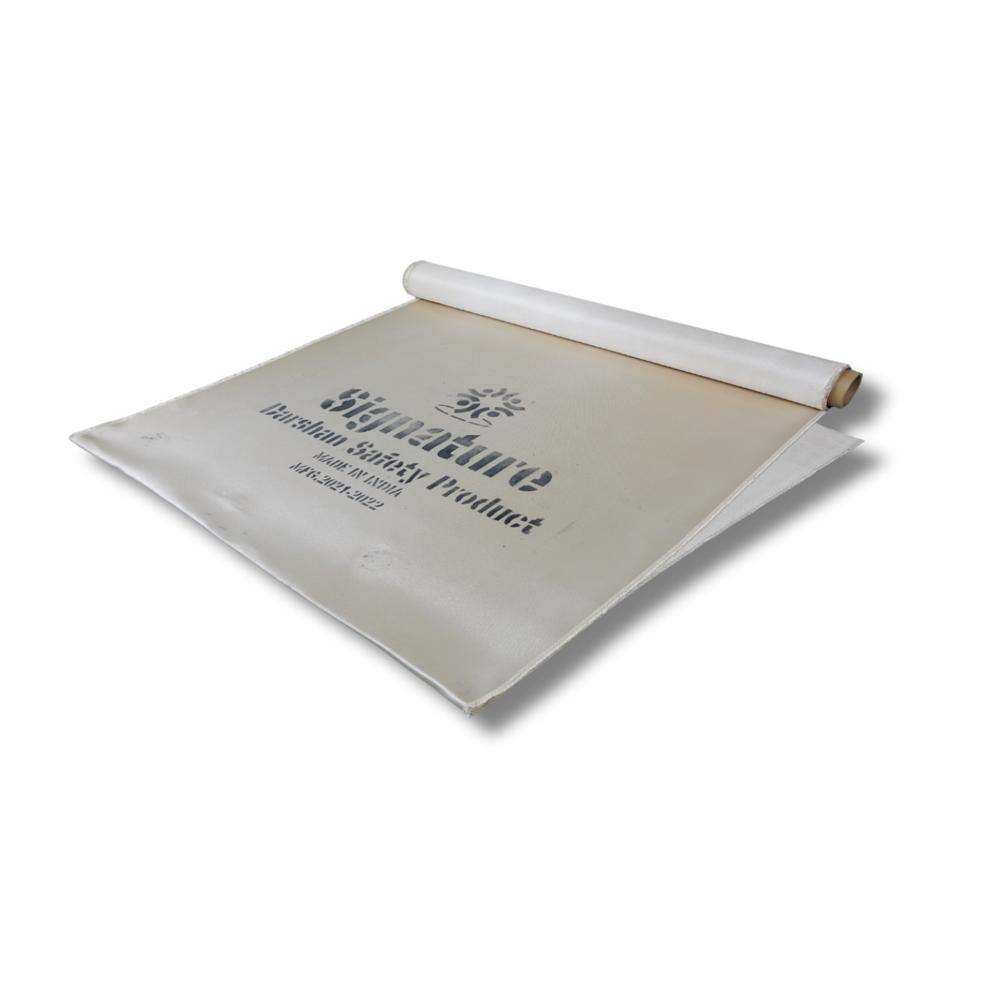
For more demanding environments, Silicon Coated High Silica Fabric offers superior protection compared to non-coated silica fabric. The coating provides resistance to smoke, water, dust, chemicals, and oil, making it highly durable for insulation and protective applications.
Key Benefits of Coated Fabric:
Prevents heat spread in insulation applications
Widely used in thermal insulation pads and covers
Available in single-side and double-side coating
Enhanced durability and resistance to harsh environments

Price:



|

 English
 Spanish
 French
 German
 Italian
 Chinese (Simplified)
 Japanese
 Korean
 Arabic
 Portuguese


 Send Inquiry
 Send SMS
 Call Me Free