Product Description
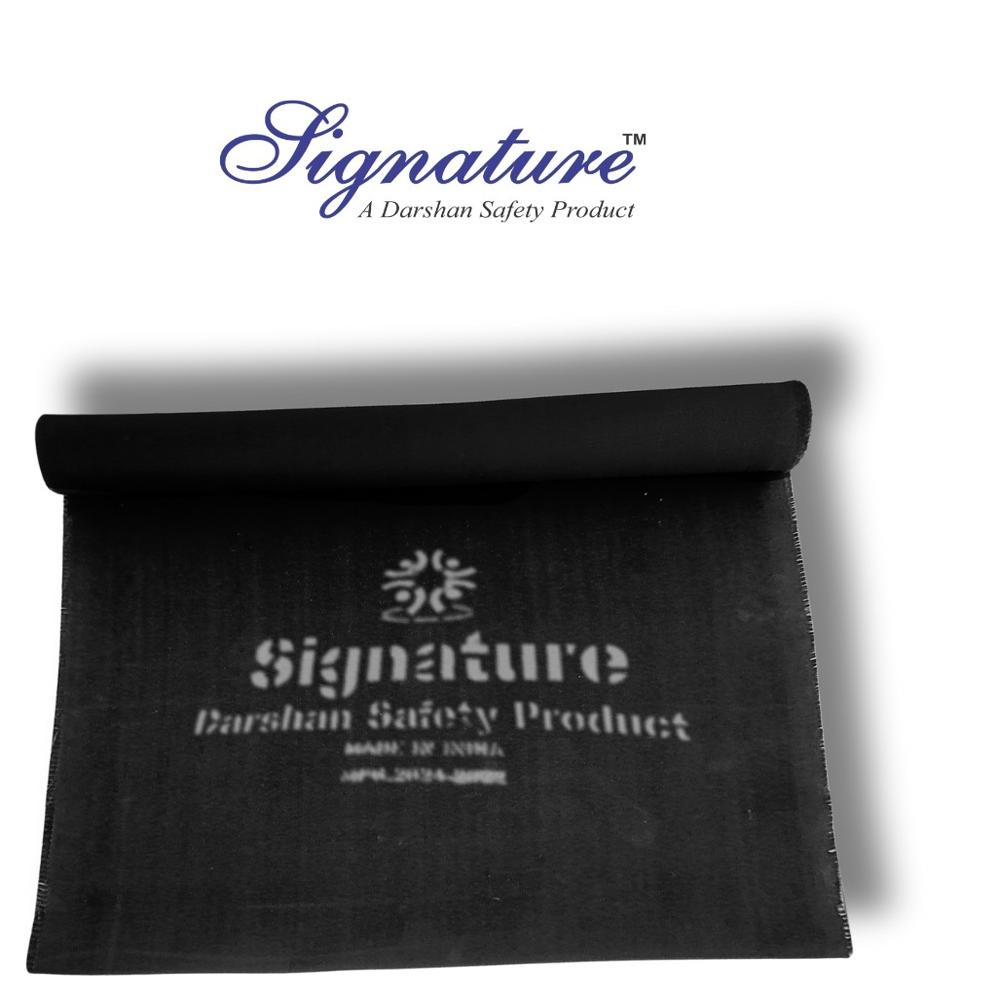
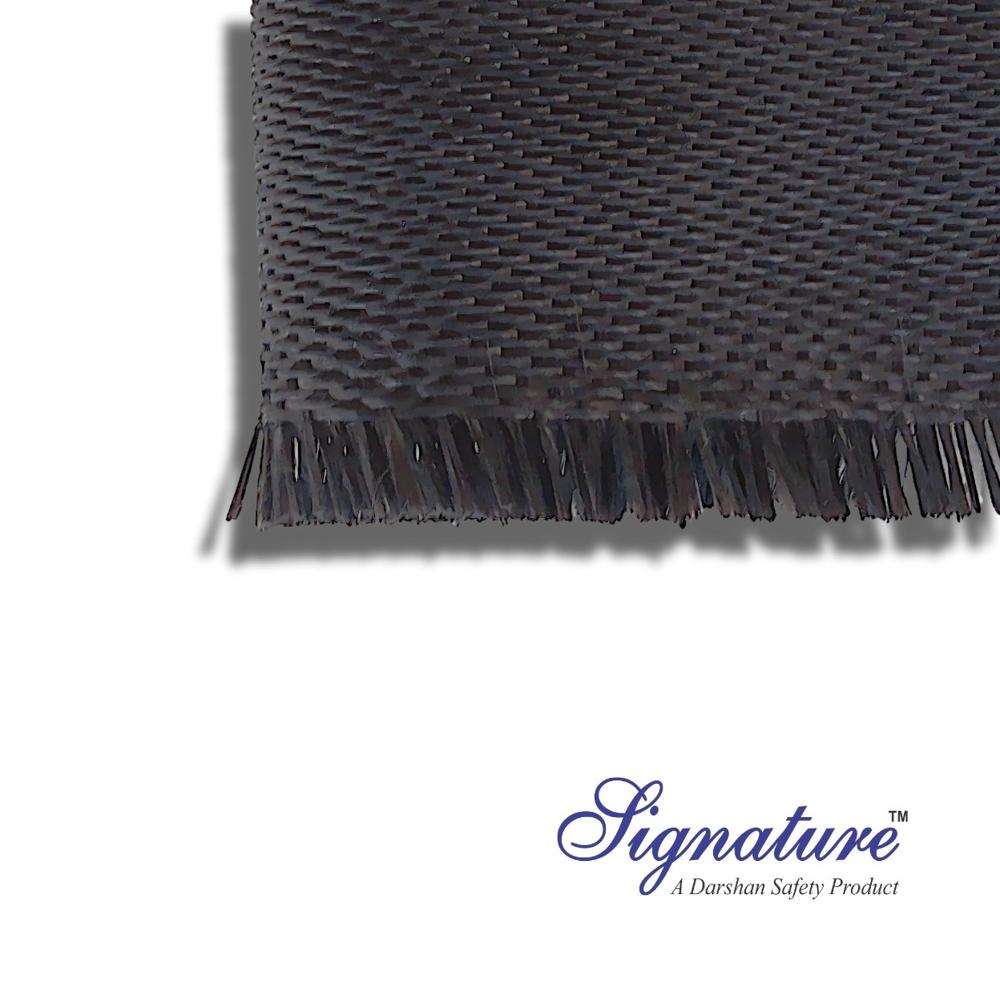
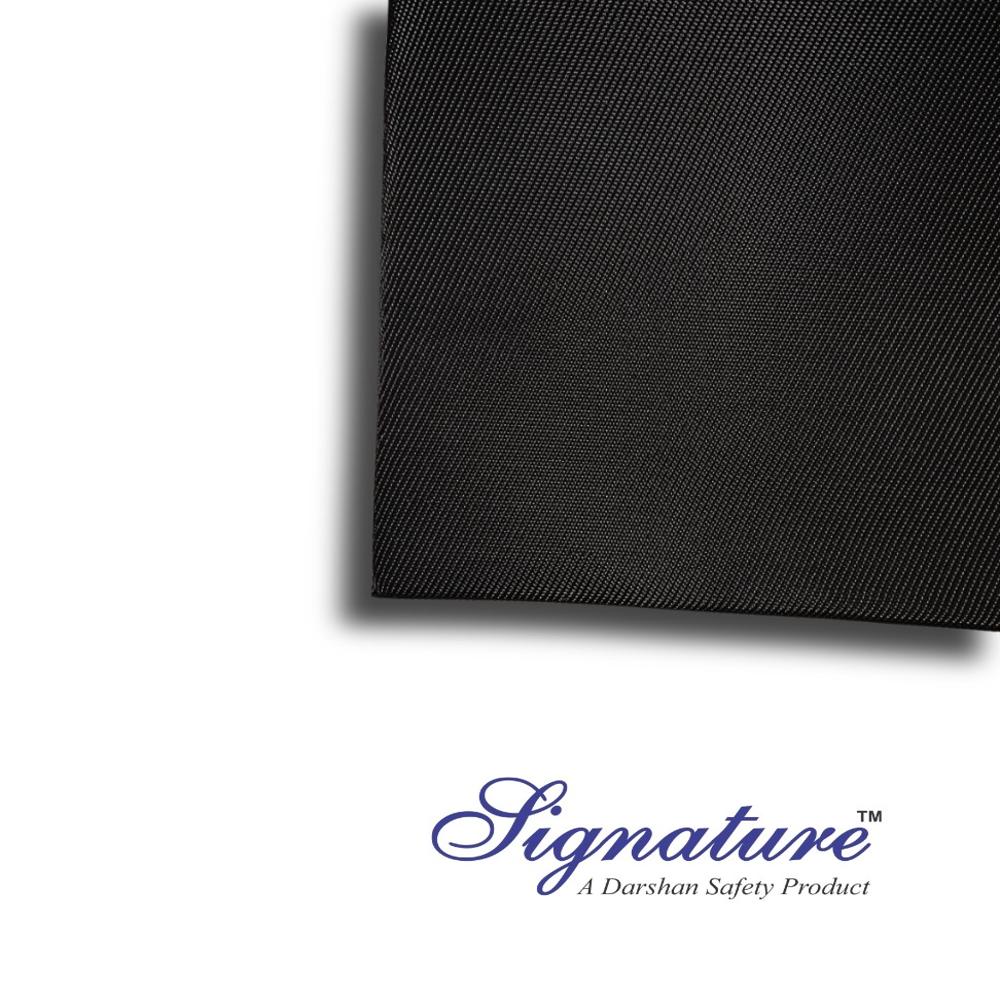
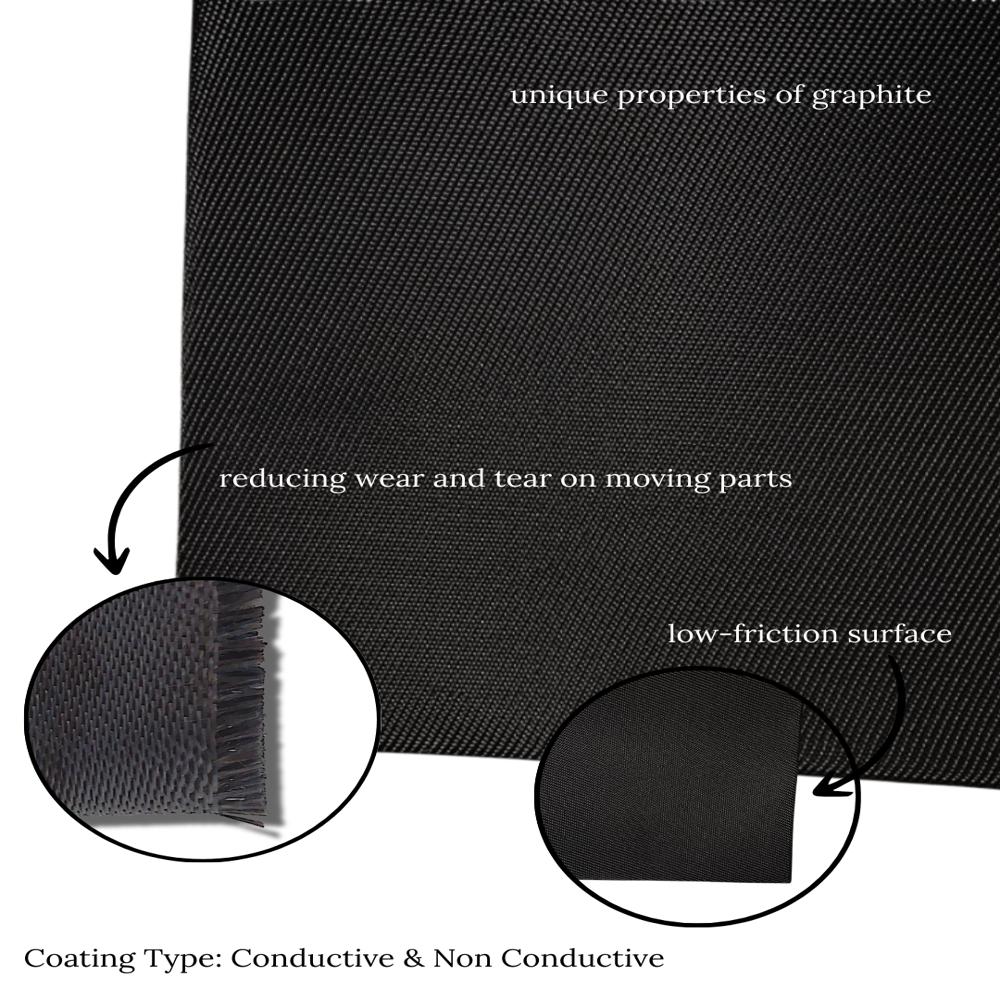
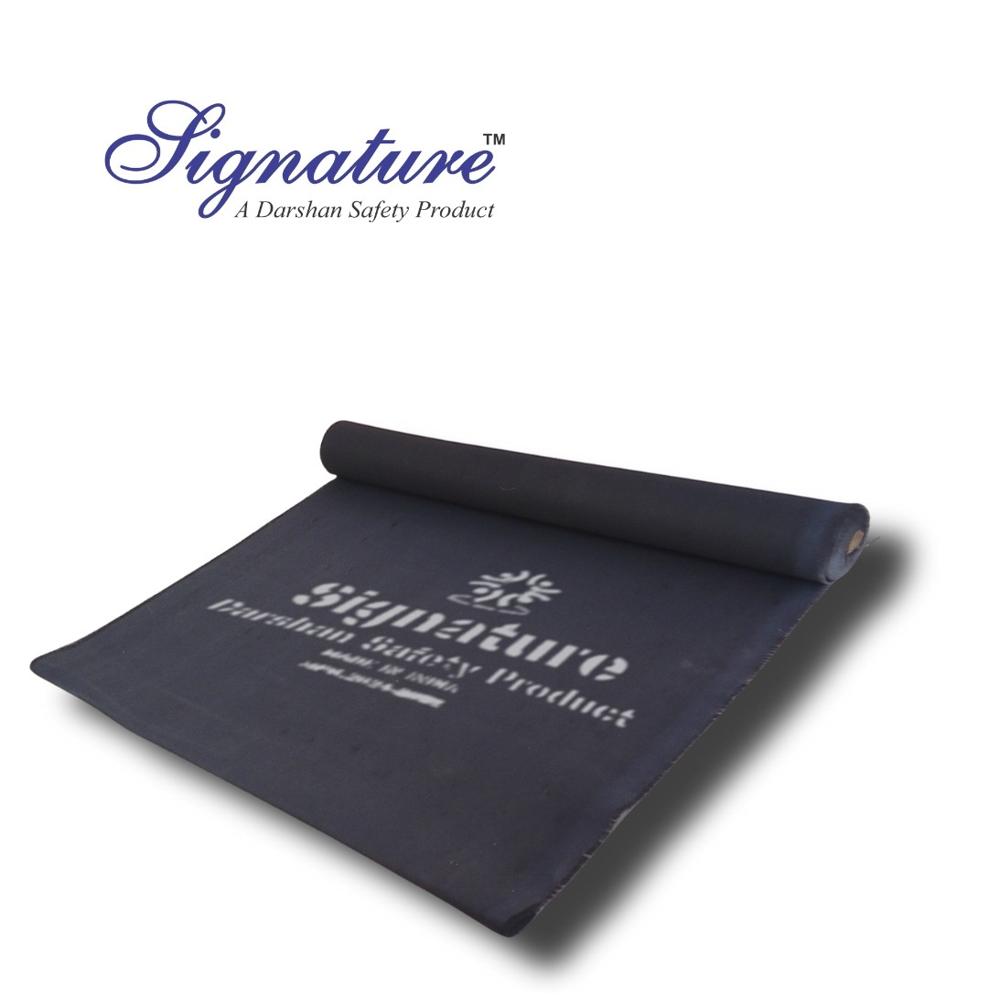
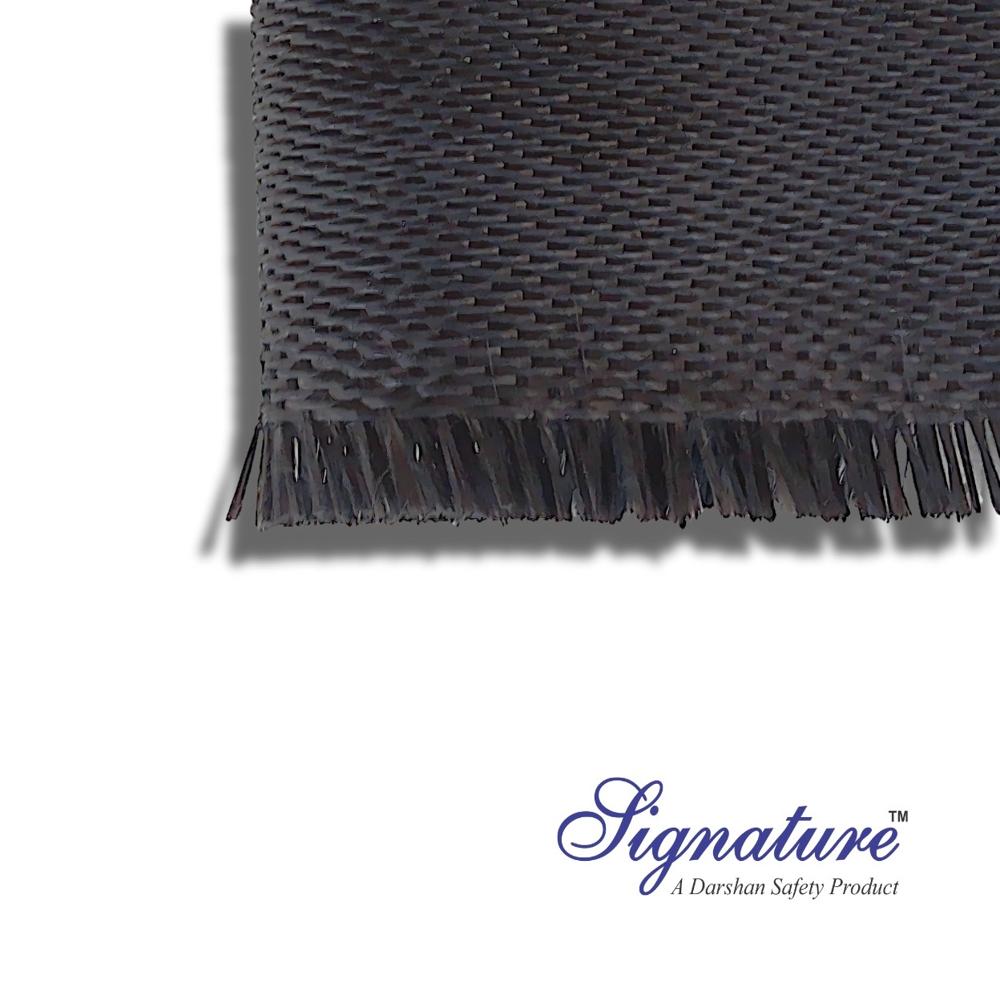
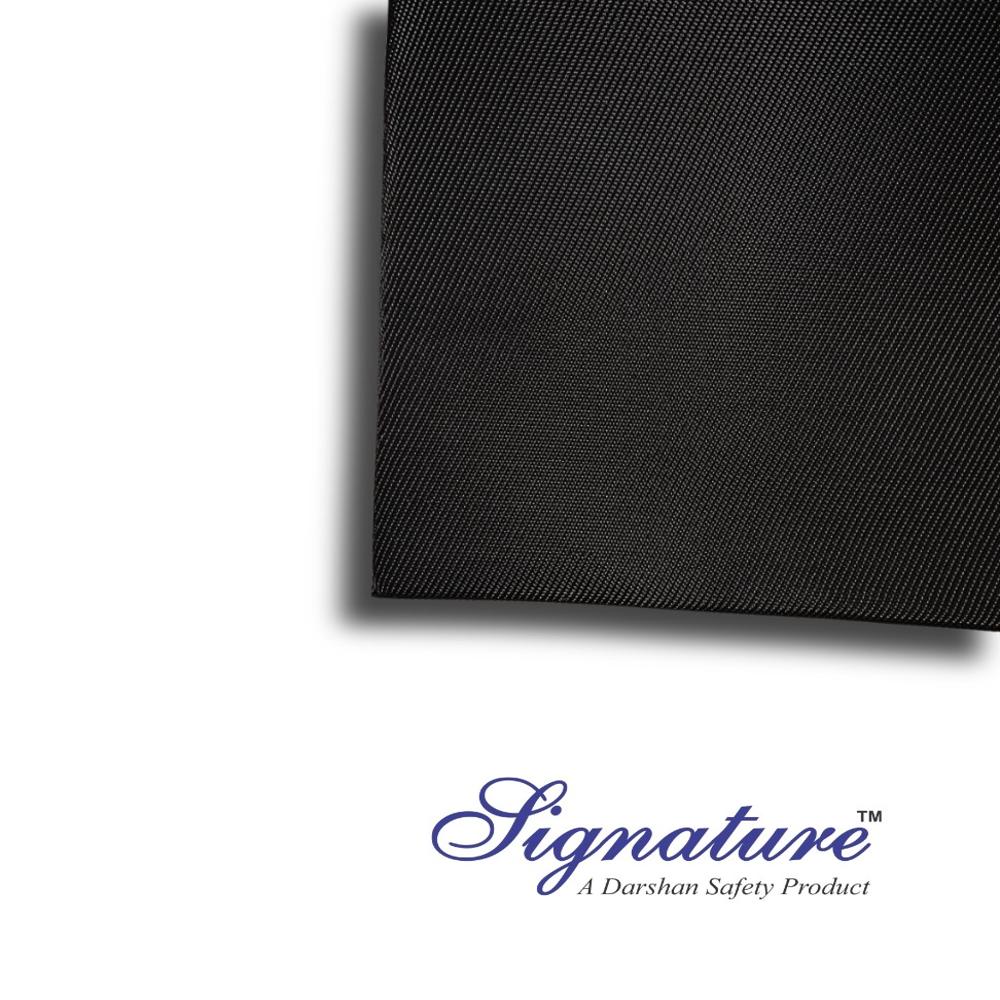
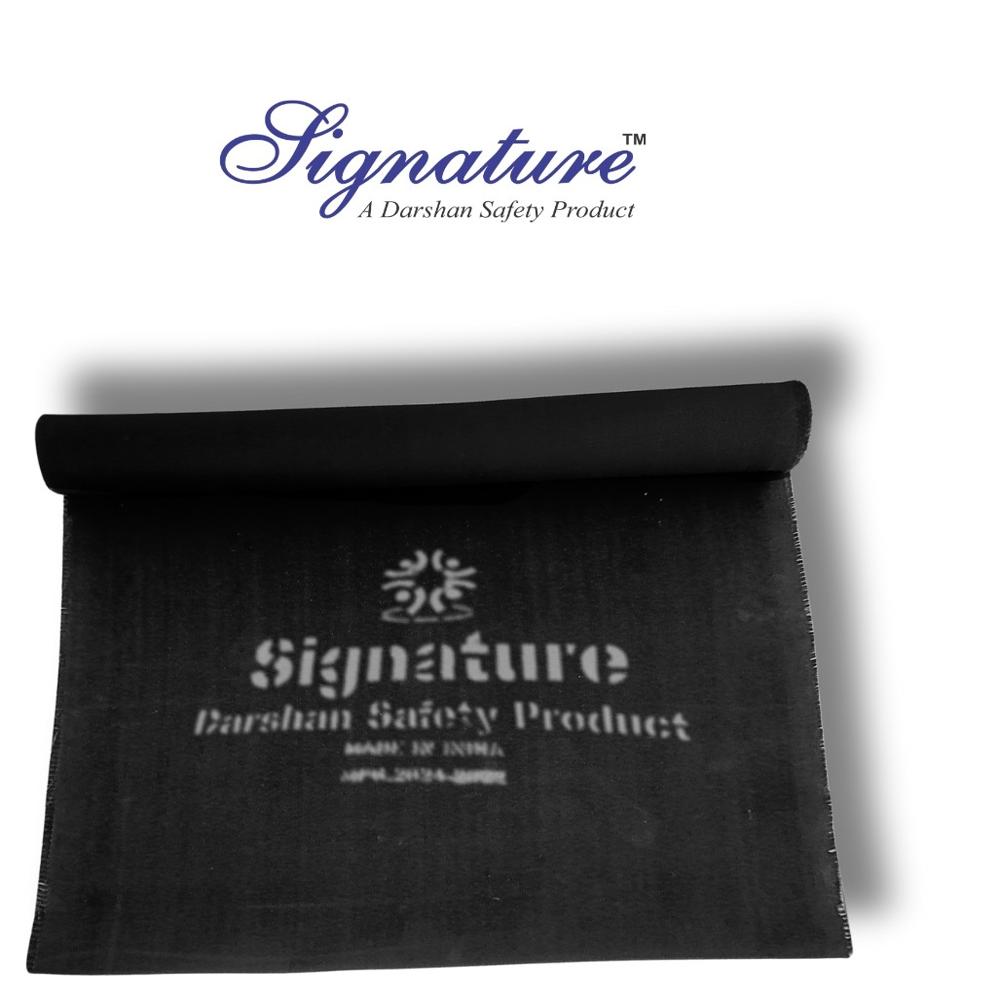
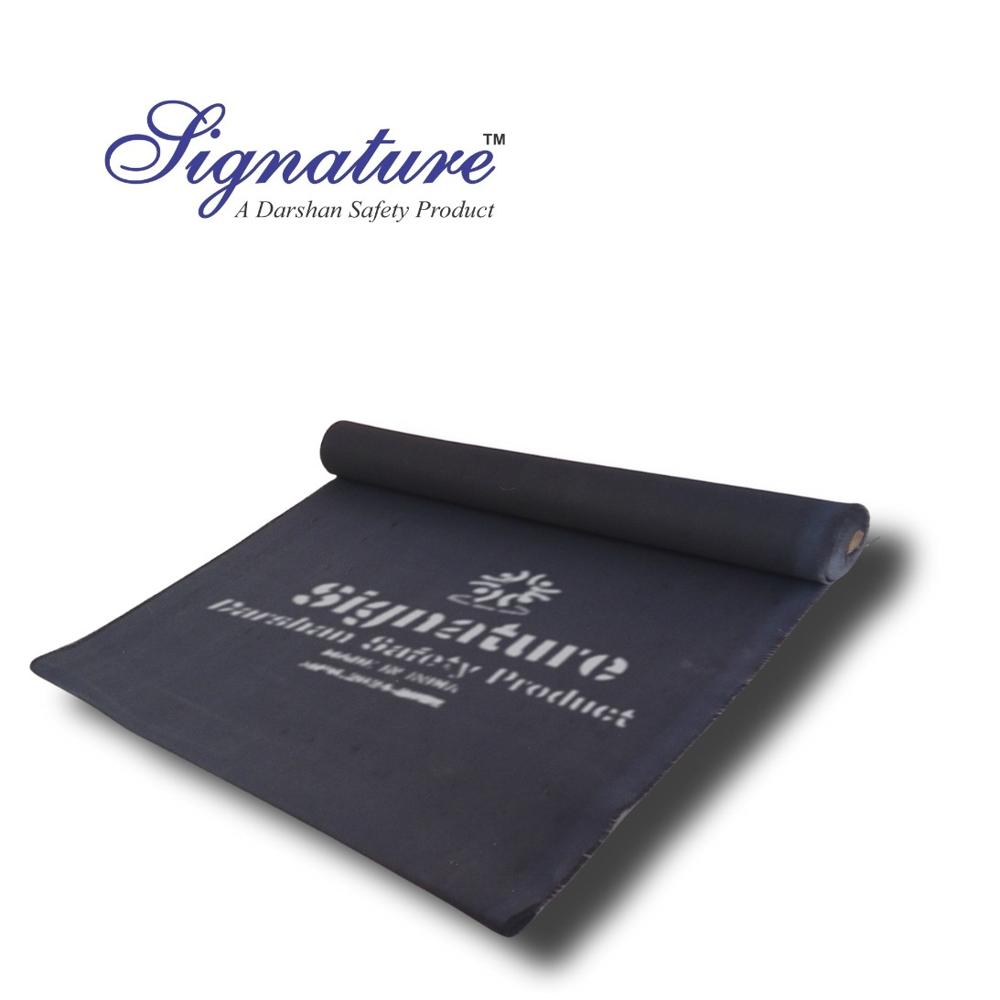
Graphite Coated Fiberglass Fabric-DSZGFG1.0
Key Features:
-
Combines fiberglass fabric strength with graphite coating
-
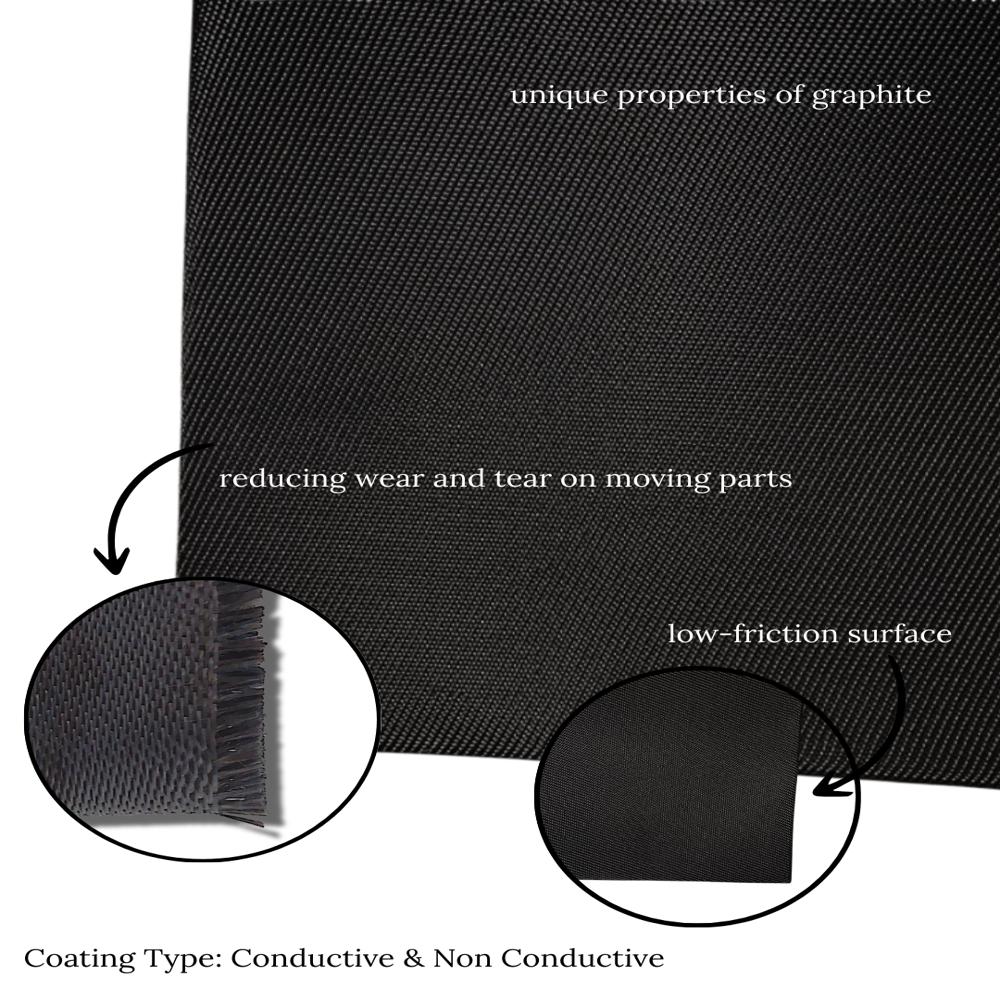
Excellent lubricity and smooth low-friction surface
-
Provides electrical conductivity or non-conductivity (as required)
-
Reduces wear and tear on moving parts
-
High durability under mechanical and thermal stress
-
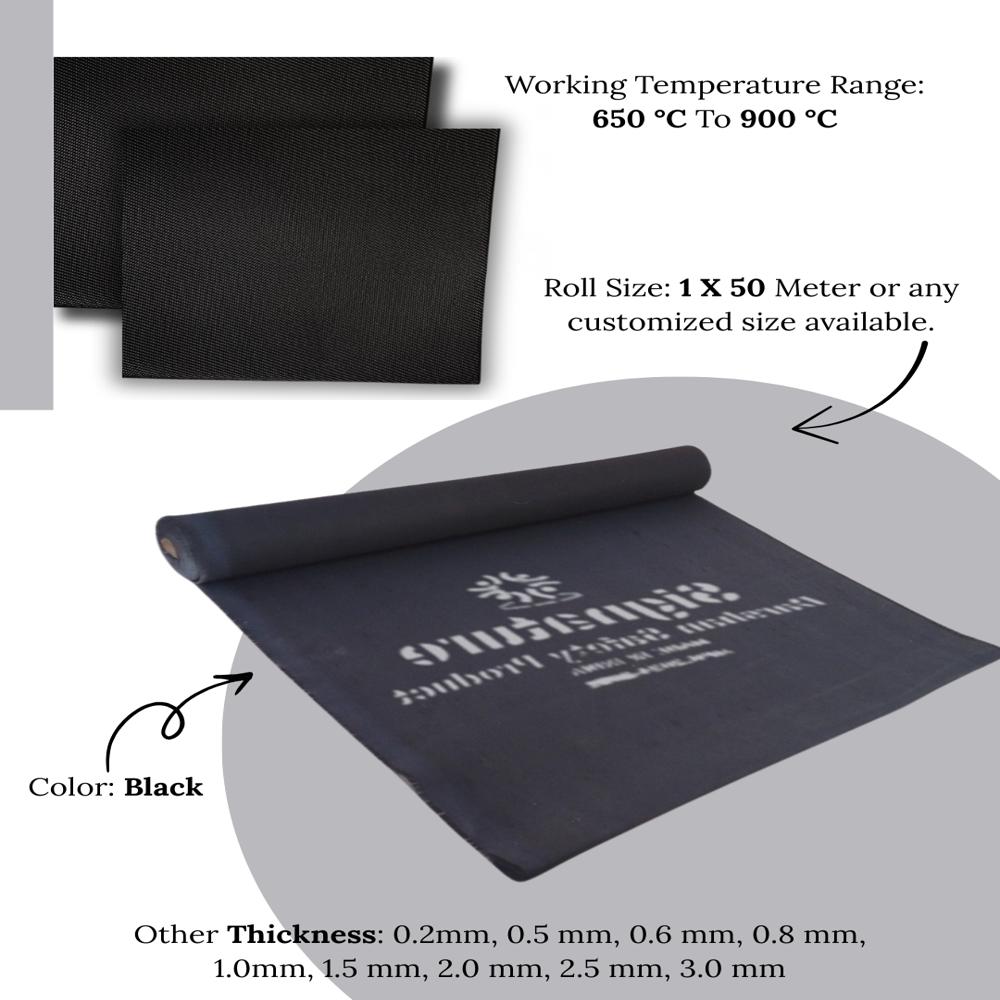
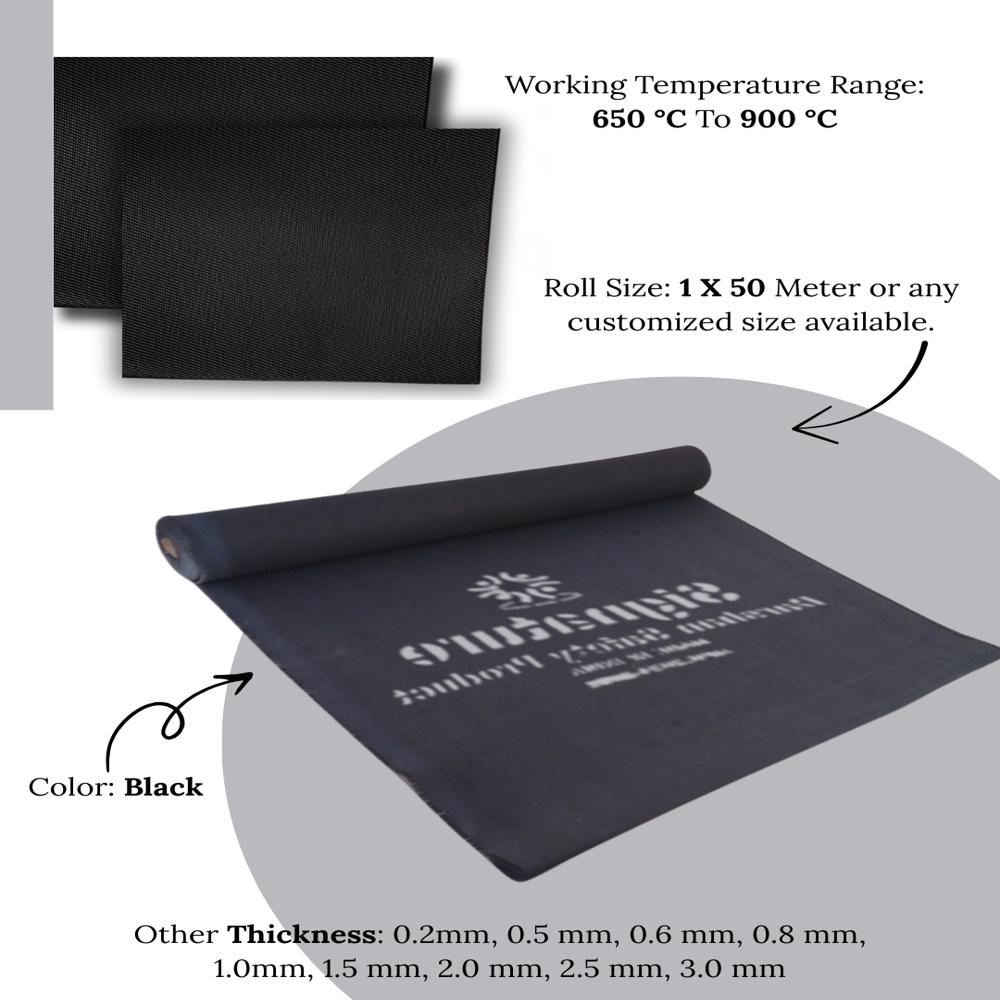
Black color with enhanced surface protection
Technical Specifications:
-
Working Temperature: 650C to 900C
-
Thickness Options: 0.2 mm, 0.5 mm, 0.6 mm, 0.8 mm, 1.0 mm, 1.5 mm, 2.0 mm, 2.5 mm, 3.0 mm
-
Coating Types: Conductive & Non-Conductive
-
Roll Size: 1 x 50 meters (custom sizes available)
Applications:
-
Thermal insulation for high-temperature equipment
-
Sliding pads and protective covers
-
Gaskets and expansion joints
-
Protective linings in furnaces and industrial machinery
-
Applications requiring anti-friction and conductive properties
Benefits:
-
Provides heat resistance with added lubricity
-
Extends lifespan of machinery and equipment
-
Versatile conductive and non-conductive variants
-
Easy to cut, handle, and install
-
Cost-effective and durable insulation material
#GraphiteCoatedFiberglass #FiberglassFabric #ThermalInsulation #HeatResistantFabric #IndustrialSafety #HighTemperatureFabric #Lubricity #ConductiveFabric #NonConductiveFabric #ProtectiveCovers #ExpansionJointMaterial #IndustrialMaterials #HeatProtection #FireRetardantFabric #MachineProtection #IndustrialSupplies #GraphiteFabric #DurableFabric #SafetySolutions #ThermalBarrier
Technical Details
Exceptional Thermal ResistanceThanks to its graphite coating on fiberglass material, this welding cloth can withstand extreme temperatures ranging from 650C to 900C. It is ideal for use in thermal insulation and fire protection, safeguarding equipment and personnel in industrial and marine settings.
Versatile Industrial ApplicationsGraphite Welding Cloth is suitable for numerous industrial uses including textile machines, boiler insulation, pipeline protection, power stations, and ships. Its resilience, flexibility, and precise dimensions ensure it meets the rigorous requirements of these sectors.
Reliable Distribution Across IndiaAvailable nationwide through dealers, distributors, exporters, importers, manufacturers, suppliers, traders, and wholesalers, this product offers easy access for companies seeking quality thermal insulation solutions throughout India.
FAQs of Graphite Welding cloth:
Q: How is Graphite Welding Cloth used for thermal insulation and fire protection?
A: Graphite Welding Cloth is applied around machinery, boilers, pipelines, and ship components to provide thermal insulation and shield against fire. Its graphite-coated fiberglass construction forms an effective barrier against high temperatures and flames.
Q: What process is involved in manufacturing this welding cloth?
A: The cloth is produced by weaving fiberglass strands and then applying a graphite coating. This combination enhances heat resistance, durability, and creates a robust flat sheet suitable for industrial environments.
Q: When should I use Graphite Welding Cloth in my facility?
A: You should use Graphite Welding Cloth when operating equipment or areas exposed to temperatures between 650C and 900C, or where fire protection and thermal insulation are essential, such as boilers, pipelines, and power stations.
Q: Where can I purchase Graphite Welding Cloth in India?
A: The cloth is available throughout India from dealers, distributors, exporters, importers, manufacturers, suppliers, and wholesalers. These channels ensure you can source the product according to your business requirements.
Q: What are the benefits of using this graphite-coated cloth for insulation?
A: The primary benefits include exceptional heat resistance, reliable fire protection, chemical inertness, and durability under tough industrial conditions, providing long-term insulation performance and safety.
Q: How should the Graphite Welding Cloth be installed for optimal performance?
A: Installation should be done by securely wrapping or layering the cloth onto surfaces needing insulation or fire protection, ensuring that joints are properly sealed and the cloth covers all exposed areas to maximize its effectiveness.


 Send Inquiry

 Product Video




 English
 Spanish
 French
 German
 Italian
 Chinese (Simplified)
 Japanese
 Korean
 Arabic
 Portuguese


 Send Inquiry
 Send SMS