Product Description
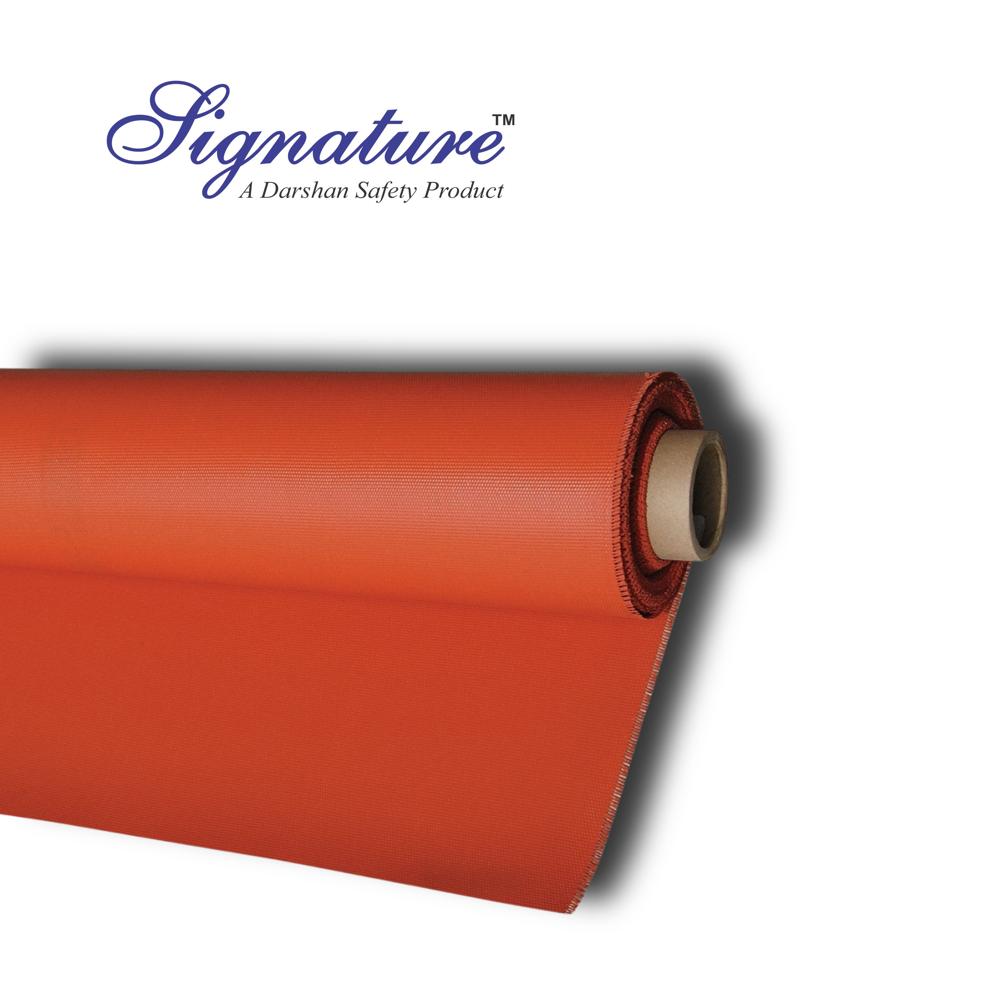
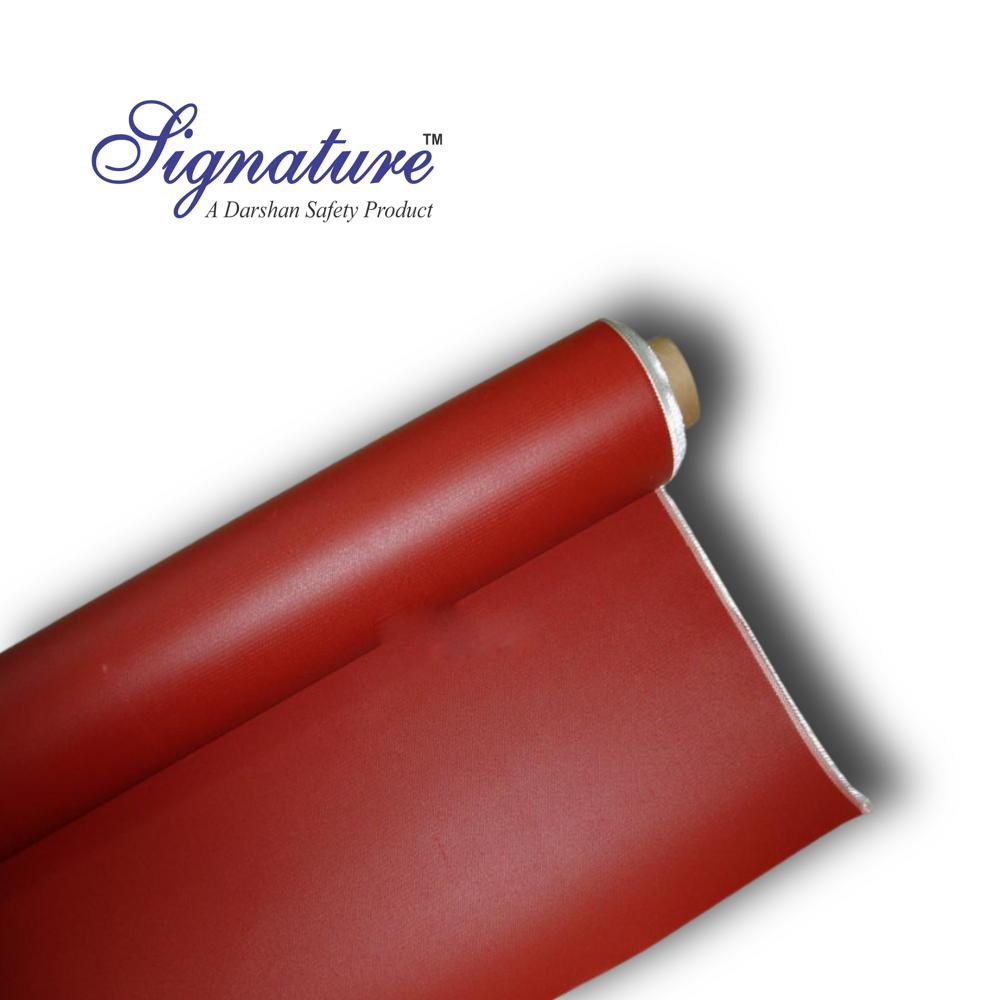
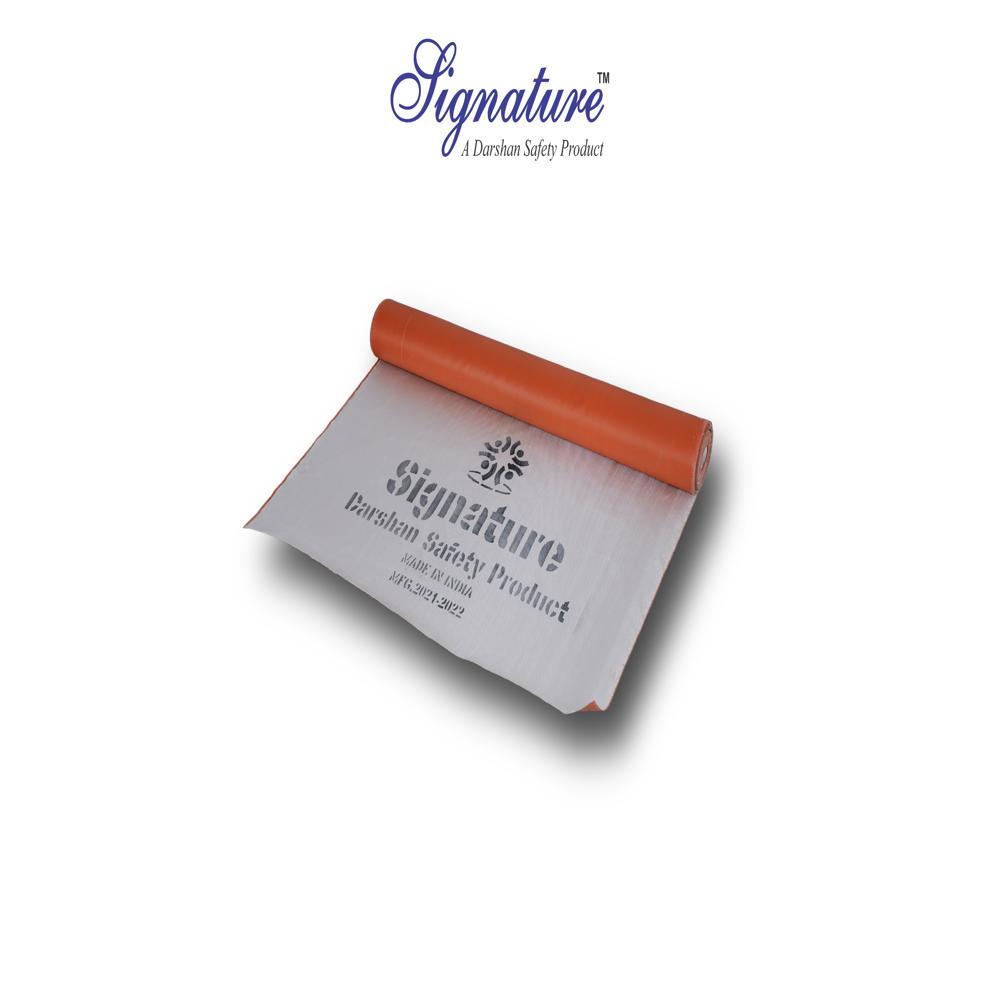
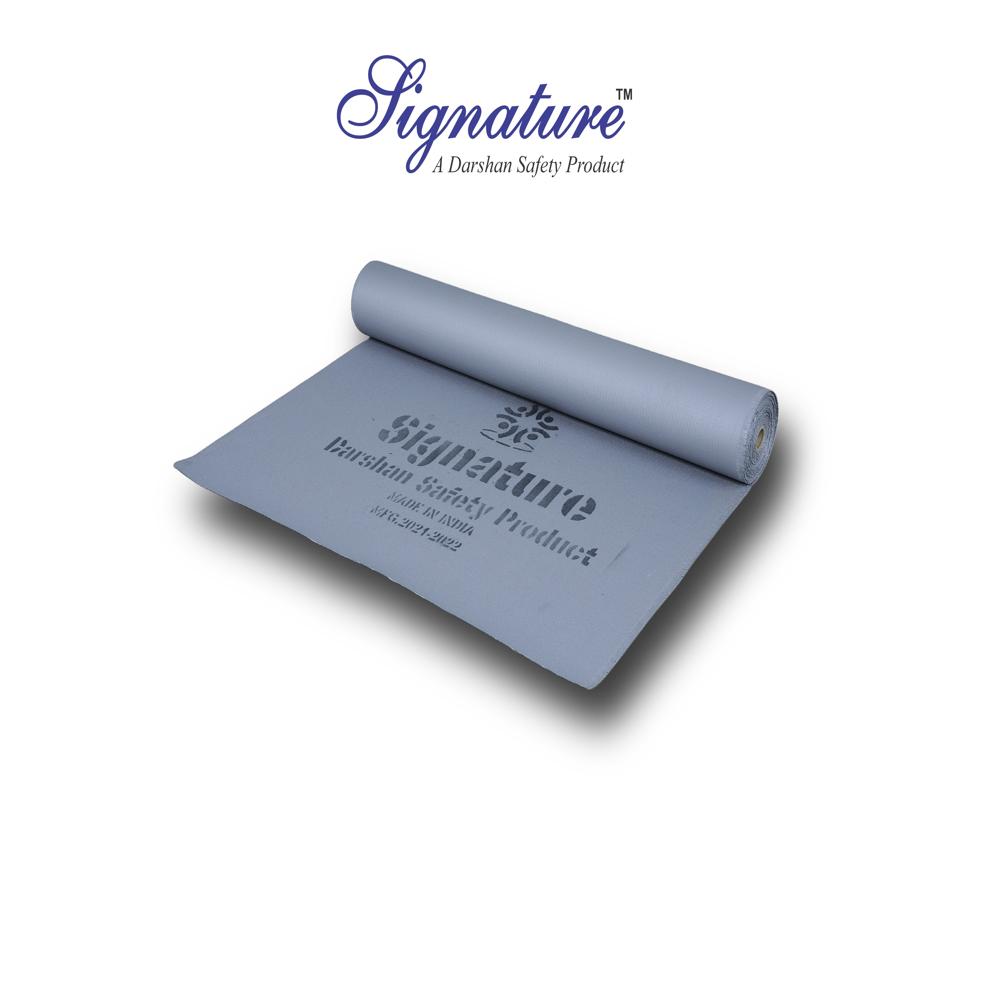
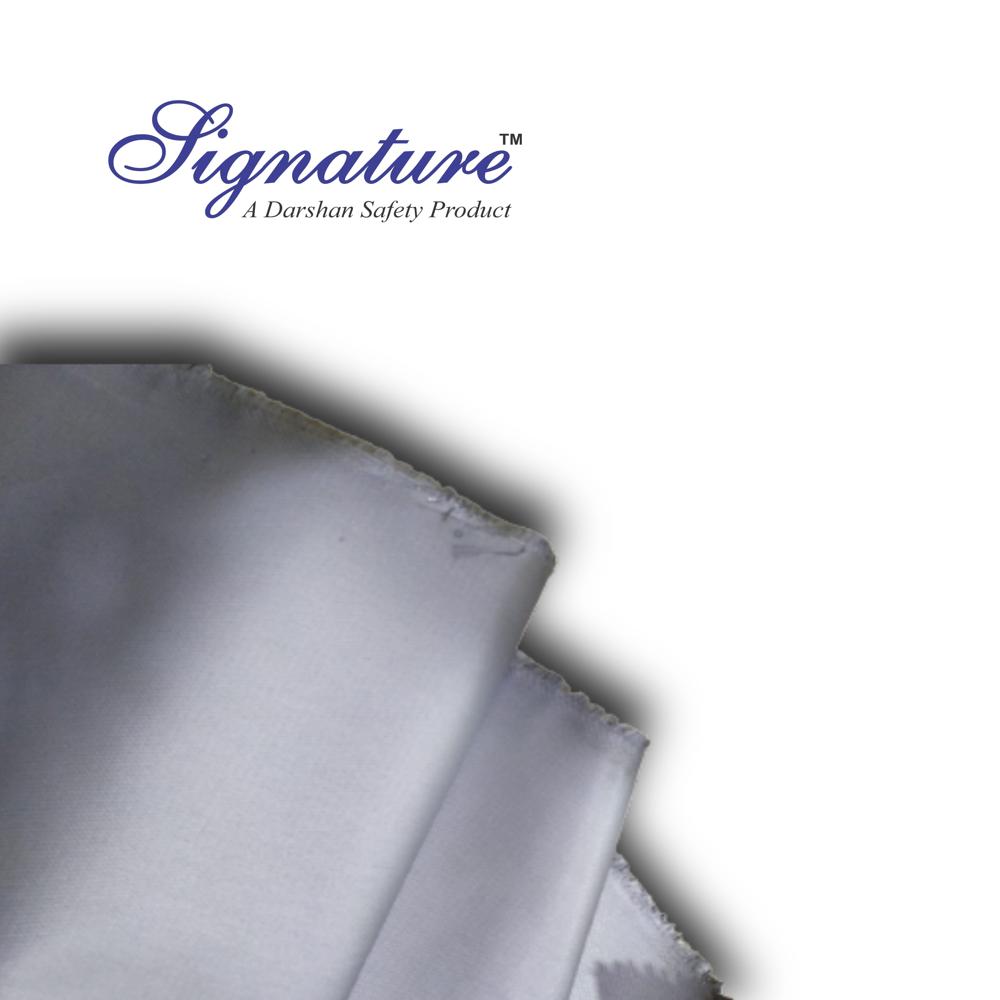
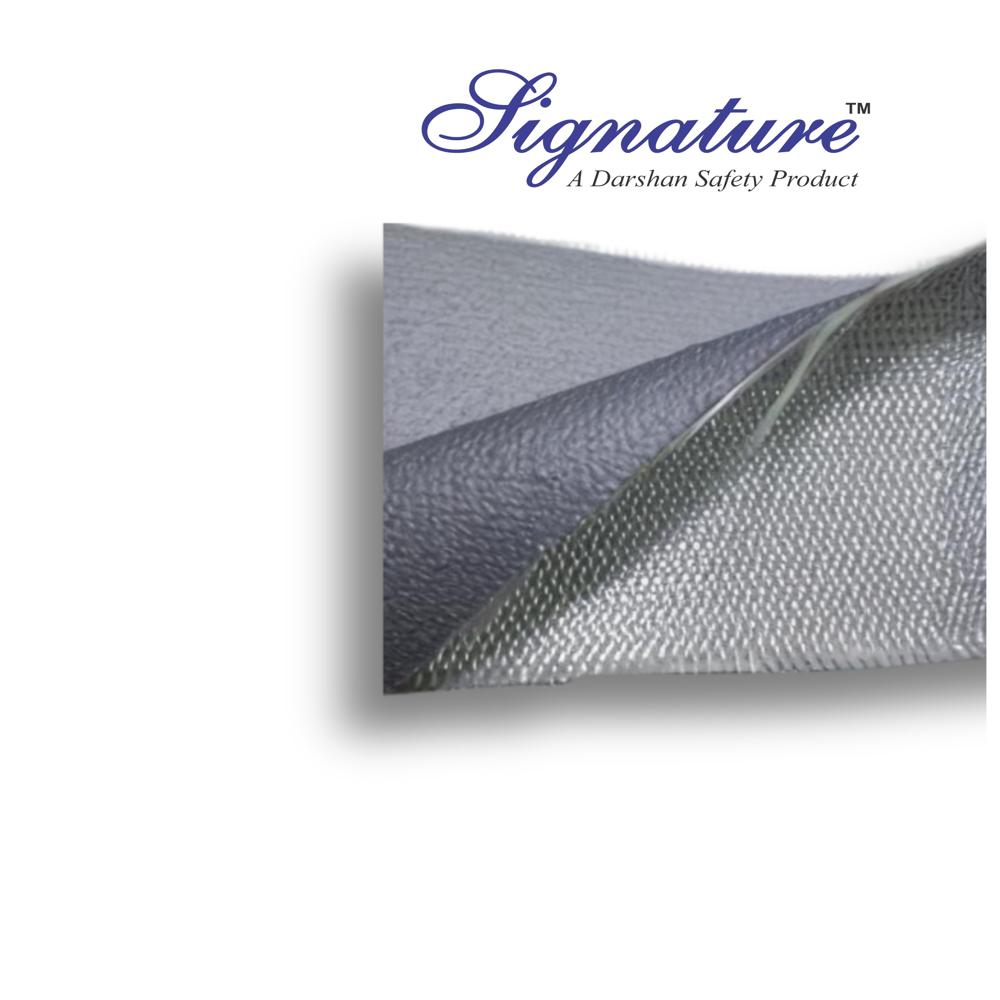
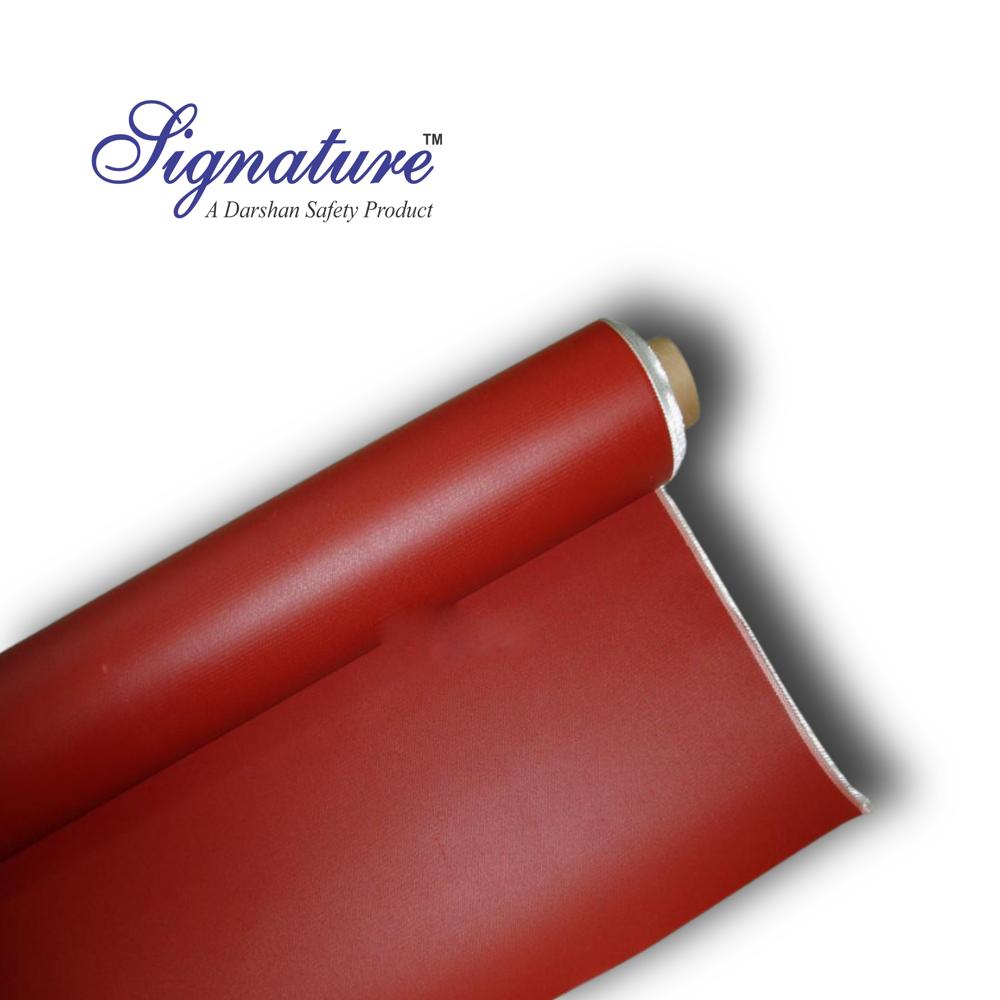
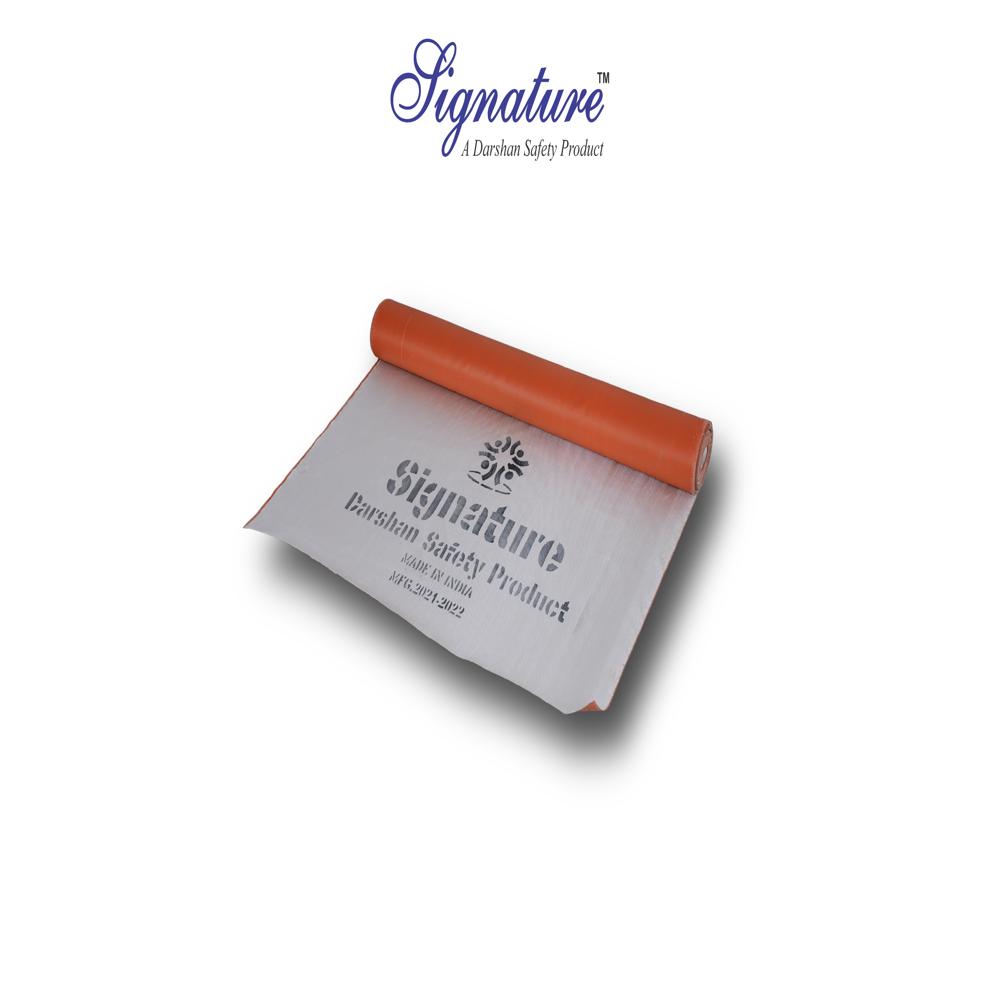
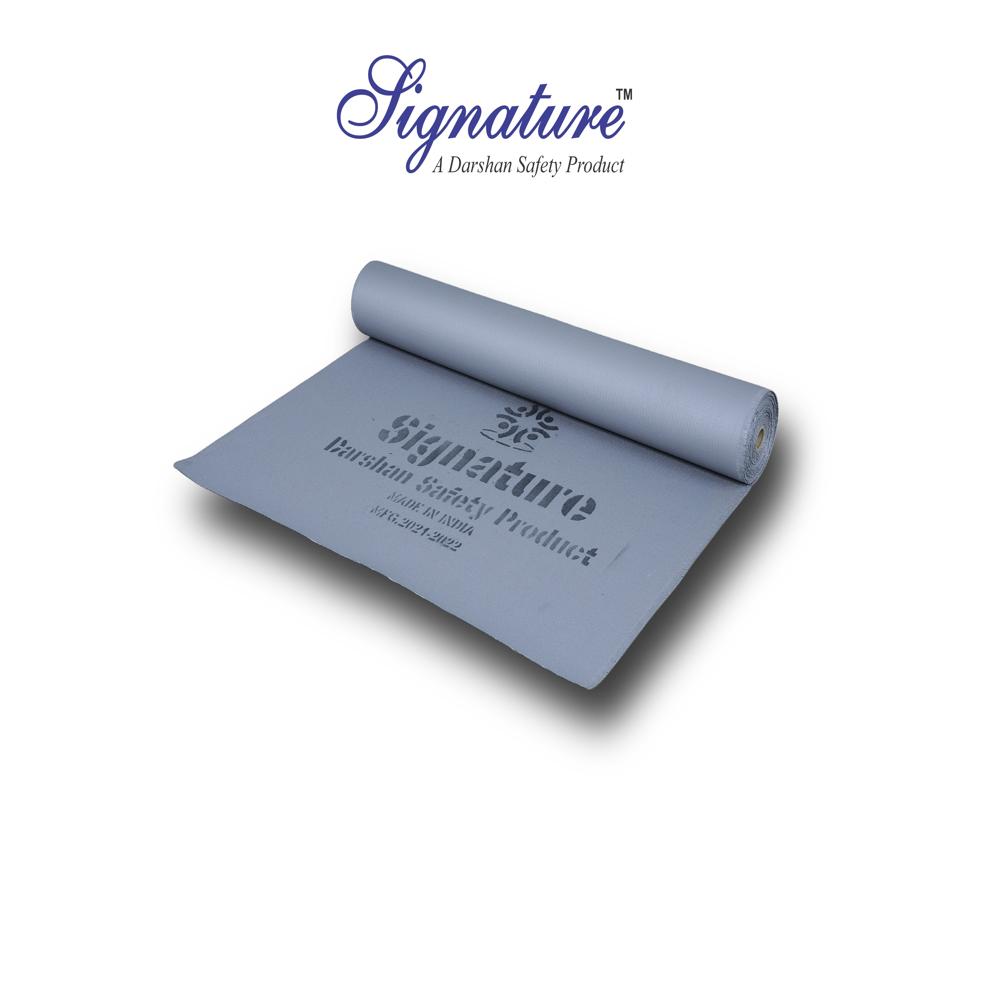
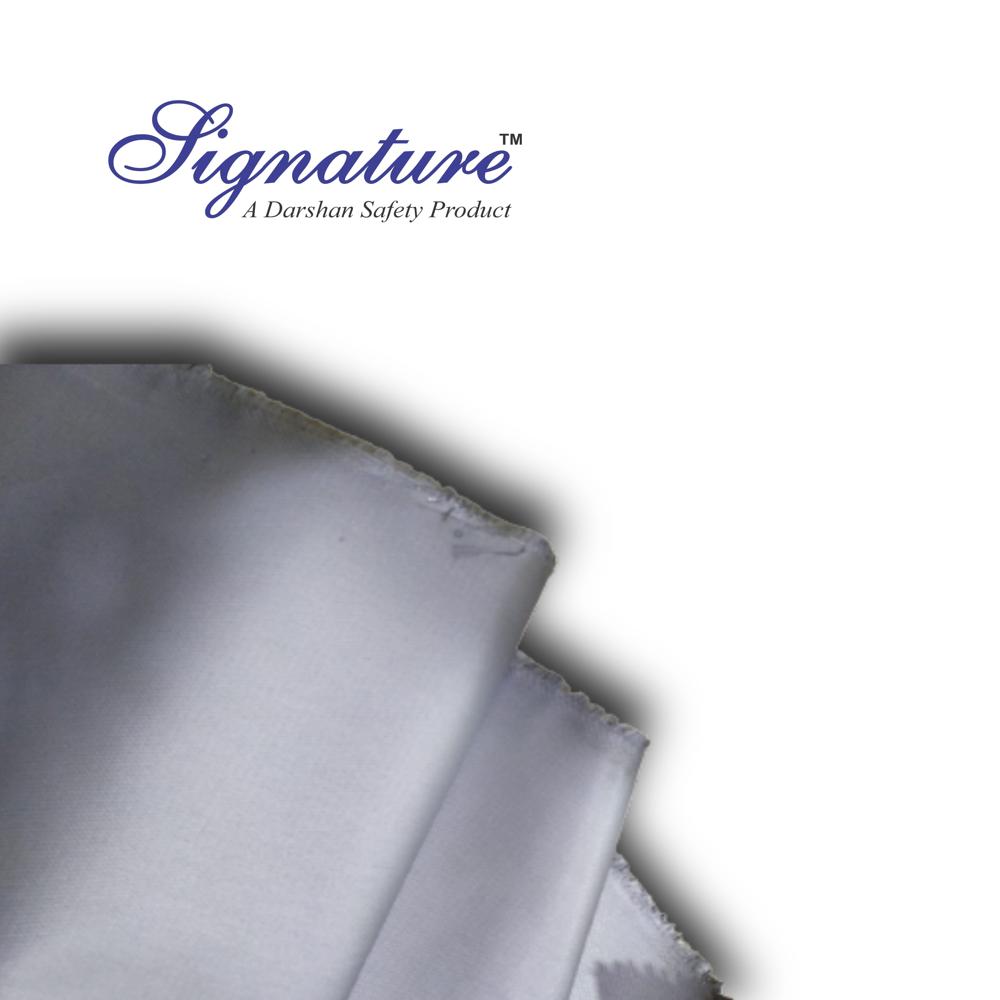
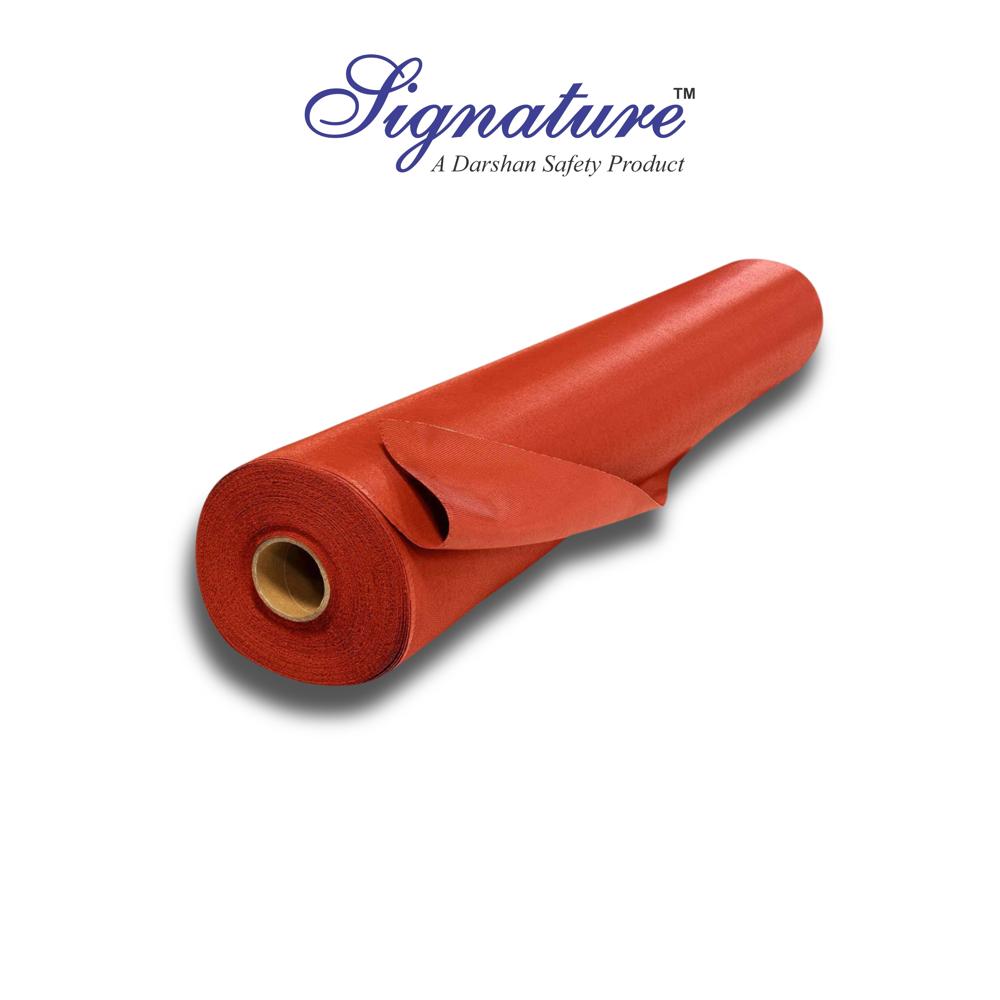
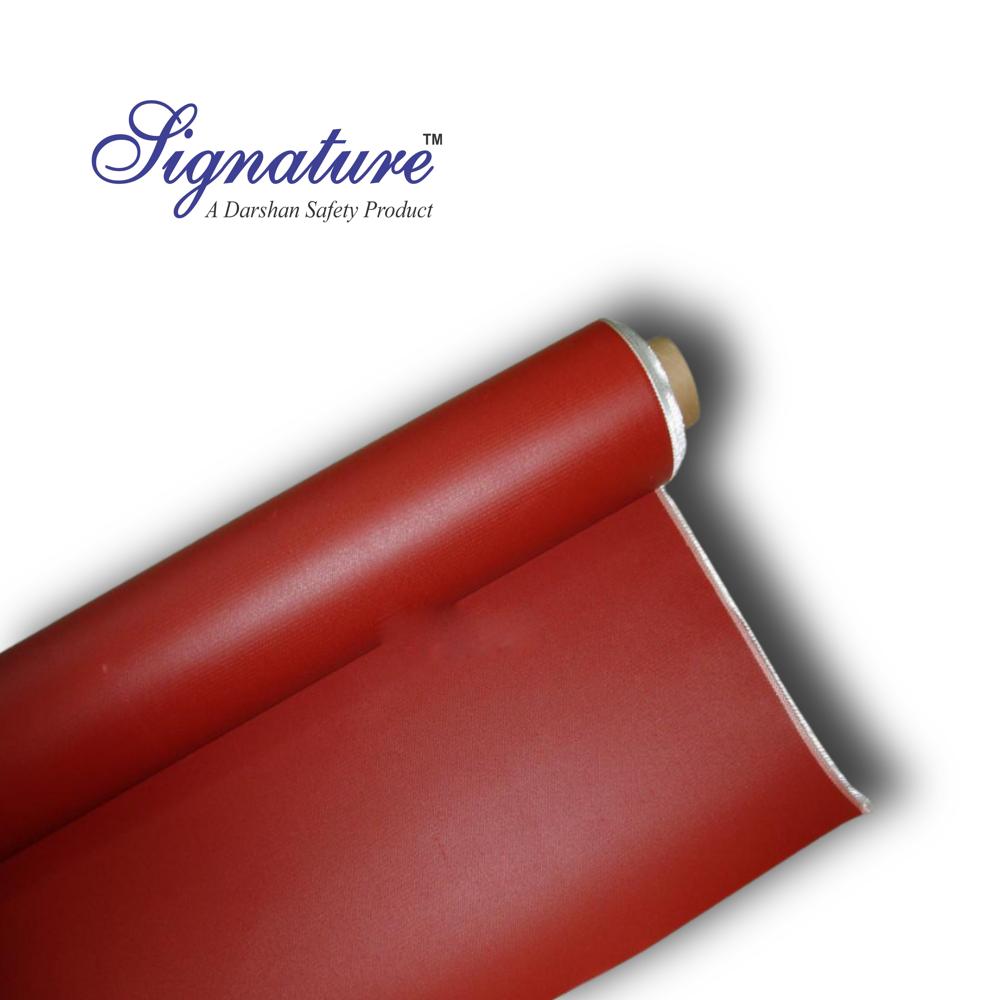
Silicon Coated Fiberglass Fabric DSZSFG0.6
Key Features
-
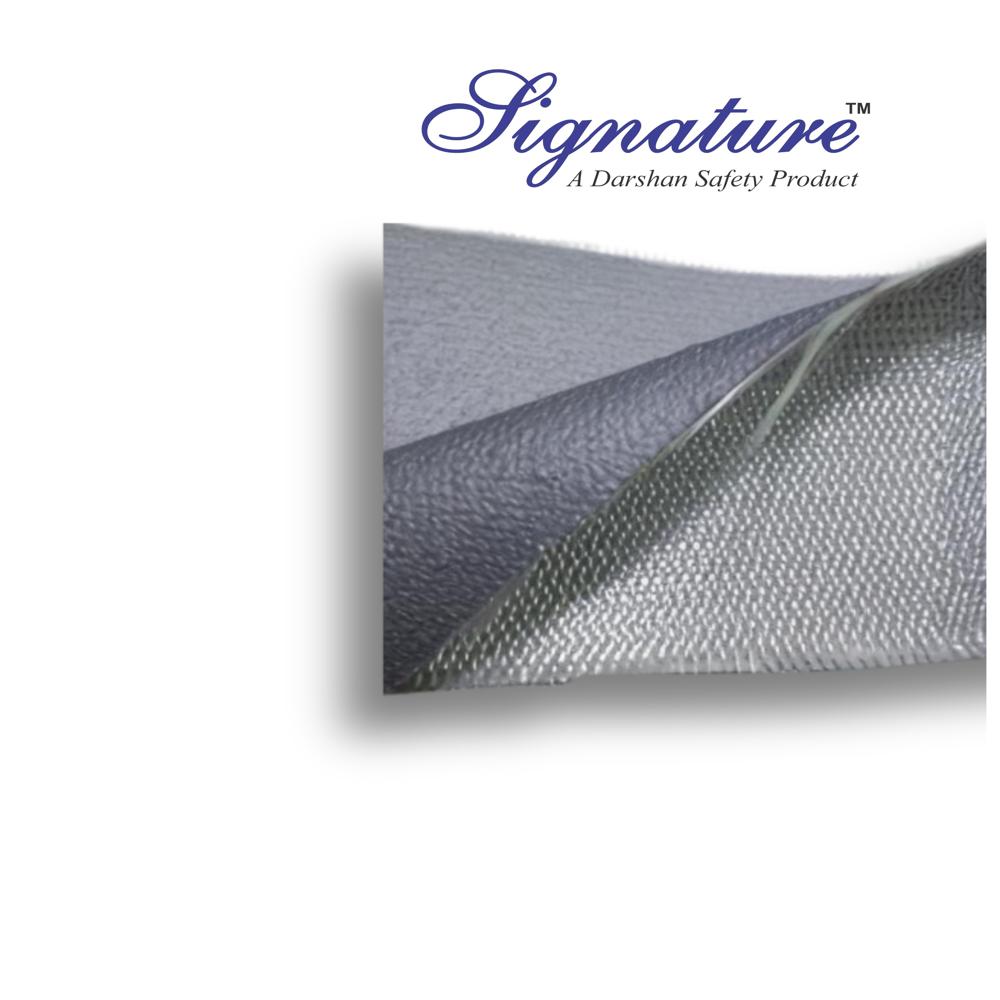
Coated or impregnated with high-quality silicone rubber using a special formula
-
Provides excellent heat, spark, chemical, and abrasion resistance
-
Flexible, durable, and suitable for a wide range of industrial applications
-
Waterproof, weatherproof, and moisture-resistant with smooth, easy-to-clean surface
-
Complies with NFPA 701 (A & B) Standards for safety assurance
Technical Specifications
-
Thickness: 0.4 mm, 0.5 mm, 0.6 mm, 0.8 mm, 1.0 mm, 1.2 mm, 2.0 mm, 3.0 mm
-
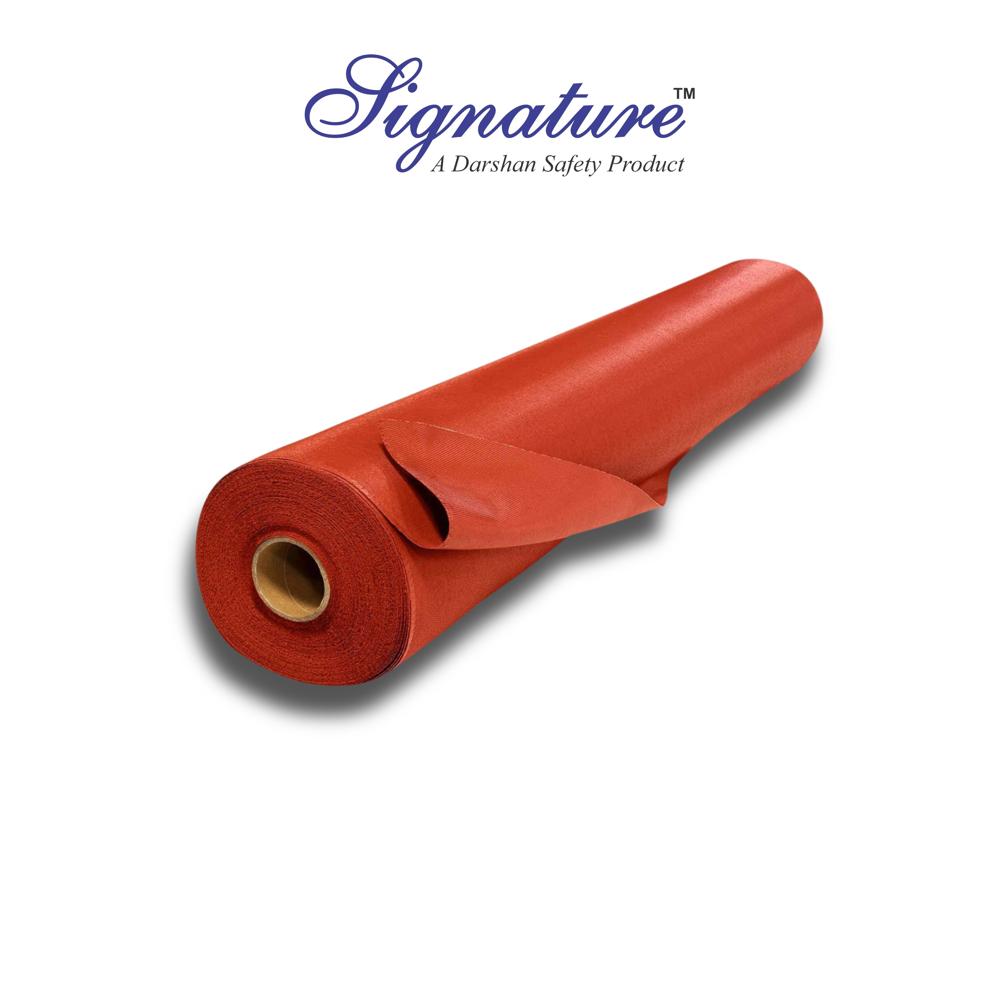
Colour Options: Grey, Red, Black
-
Weave: Plain, Satin
-
Standard Roll Size: 1 50 m
-
Conductive: No
-
Working Temperature: -70 C to +650 C
-
Melting Point: 900 C
Applications
-
Removable or reusable insulation jackets, mattresses, and pads
-
Fabric expansion joints & compensators
-
Fabric ductwork connectors
-
Furnace and welding curtains
-
Welding and fire blankets
-
Protective air cargo covers
-
Noise control barriers
-
Weather-proof or moisture-proof covers
-
Firefighting apparel
-
All forms of fiberglass textiles
Benefits of Silicone Coating
-
Heat Resistance: Withstands high temperatures safely
-
Durability: Strong resistance to wear, abrasion & chemicals
-
Waterproofing: Superior protection against moisture & weather
-
Easy Maintenance: Non-stick, smooth surface for hassle-free cleaning
-
Cost-Effective: Excellent value with reduced maintenance
-
Long Lifespan: Extended service life under tough conditions
#siliconefiberglass #heatresistantfabric #industrialtextiles #firesafety #weldingprotection #DSZ #fiberglassfabric#signature
High-Performance Insulation MaterialEngineered for demanding environments, this fiberglass cloth combines mechanical strength with superior heat resistance. Its E-glass fiber foundation and glass-reinforced ceramic matrix deliver remarkable durability, making it ideally suited for insulation and protective barriers. The customizable dimensions satisfy unique industrial requirements, ensuring optimal fit and functionality.
Versatile Industrial ApplicationsSilicone Coated Fiberglass Cloth excels in various applications, including fire safety curtains, welding blankets, and machinery insulation. Its flexibility in thickness and roll dimensions makes it a preferred choice for factories, workshops, and construction sites where heat protection is critical. Its adaptability extends from small repairs to large-scale, continuous insulation projects.
FAQs of Silicone Coated Fiberglass Cloth:
Q: How does Silicone Coated Fiberglass Cloth provide effective thermal insulation?
A: This cloth utilizes low thermal conductivity due to its glass-reinforced ceramic fiber composition and E-glass fabric, effectively reducing heat transfer. It can endure temperatures up to 1000C, making it suitable for insulating high-temperature environments and protecting against radiant or convection heat.
Q: What are the main benefits of using this cloth in industrial settings?
A: The key advantages include superior heat resistance, mechanical strength, flexibility, and customizable sizes. These characteristics ensure reliable performance in fire protection, welding, and other heavy-duty thermal applications, safeguarding equipment and personnel from heat-related hazards.
Q: Where can this cloth be installed or applied?
A: It is commonly used in industrial settings across India for fireproof curtains, welding blankets, and general thermal insulation. Manufacturing plants, construction sites, shipyards, and workshops frequently utilize this material for both protective and energy-saving purposes.
Q: When should I choose non-coated, plain fiberglass cloth instead of a coated variety?
A: Opt for the non-coated, plain surface when chemical resistance or waterproofing isnt a primary concern but high-temperature insulation, mechanical strength, and cost-effectiveness are priorities. It suits general-purpose insulation and sealing tasks where coating is not essential.
Q: What sizes and thicknesses are available for this cloth?
A: The product is offered in customizable dimensions upon request. Thickness ranges from 0.5 mm to 6 mm and the GSM typically falls between 600 and 1800, allowing the fabric to be tailored to specific needs and applications.
Q: How is the product manufactured?
A: This cloth is produced through a woven technique using E-glass fibers reinforced with ceramic material. The process results in a flexible, yet resilient fabric with excellent thermal and mechanical properties, supplied in rolls for easy handling and installation.


 Send Inquiry

 Product Video




 English
 Spanish
 French
 German
 Italian
 Chinese (Simplified)
 Japanese
 Korean
 Arabic
 Portuguese



 Send Inquiry
 Send SMS