Product Description
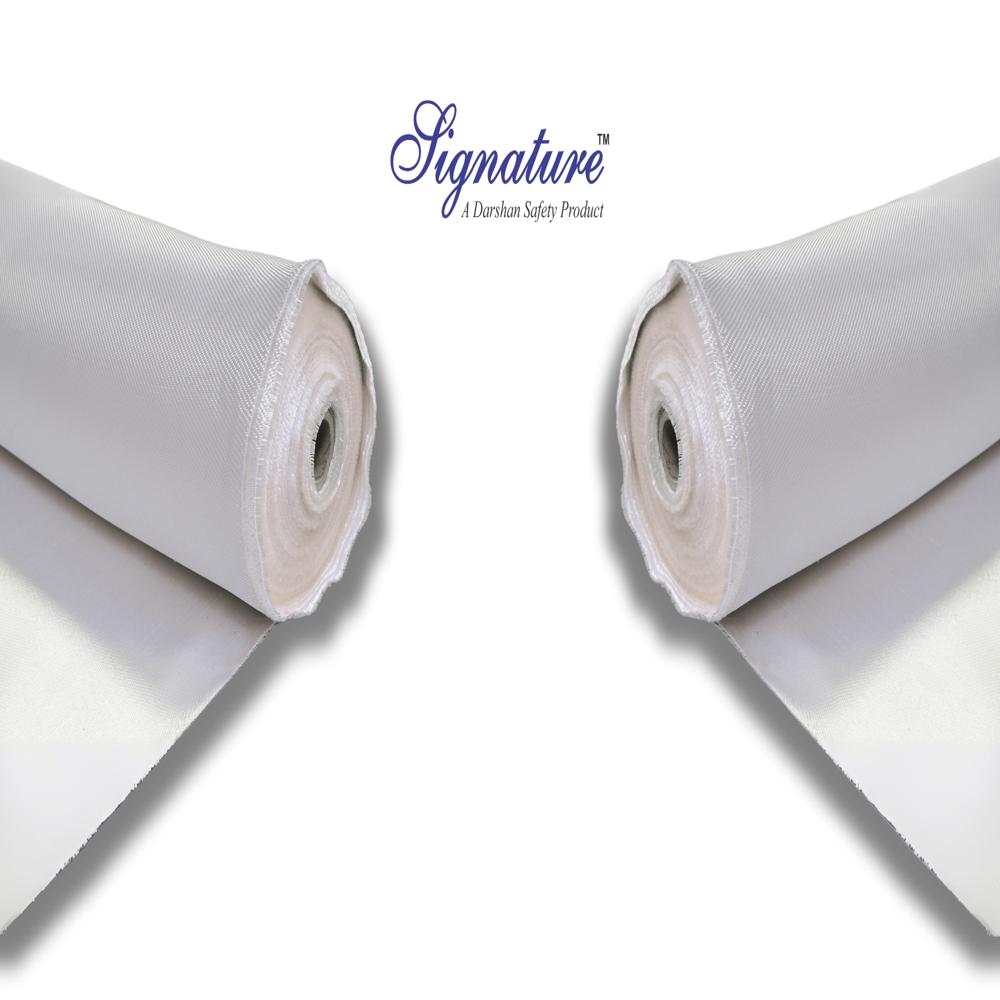
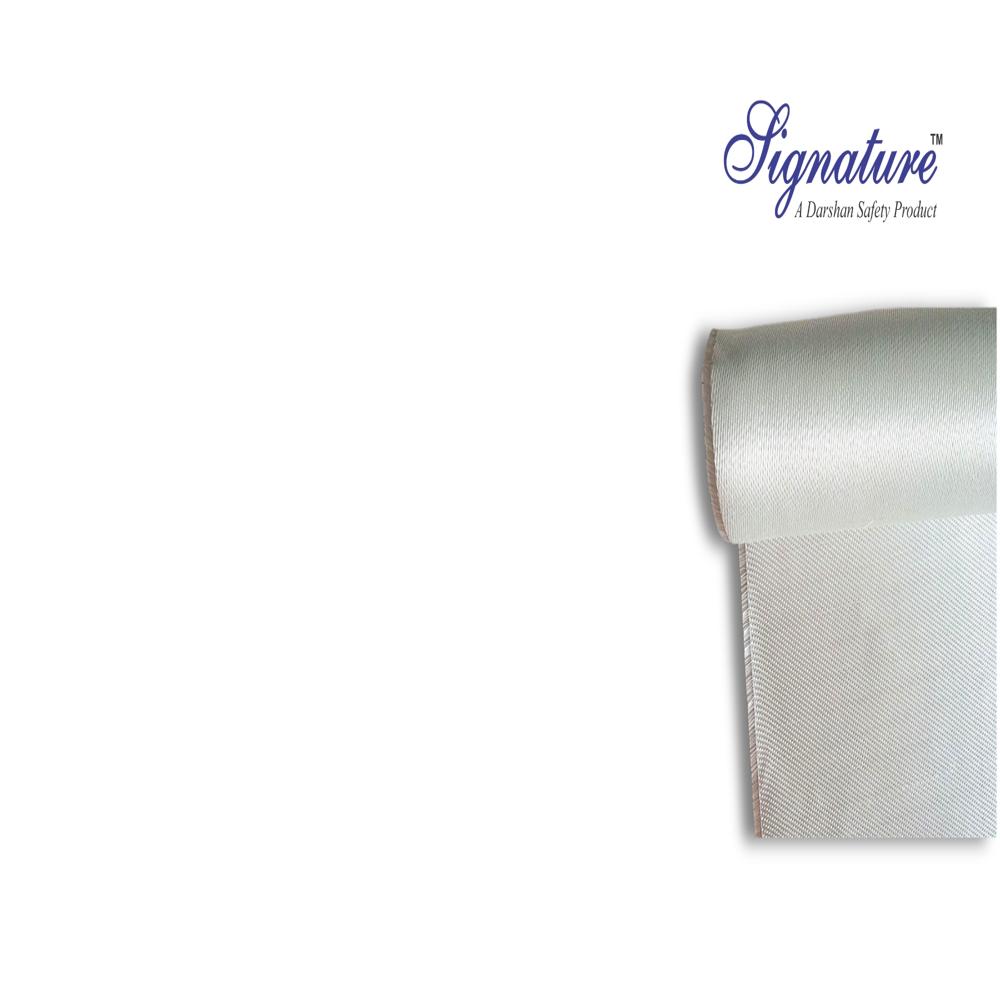
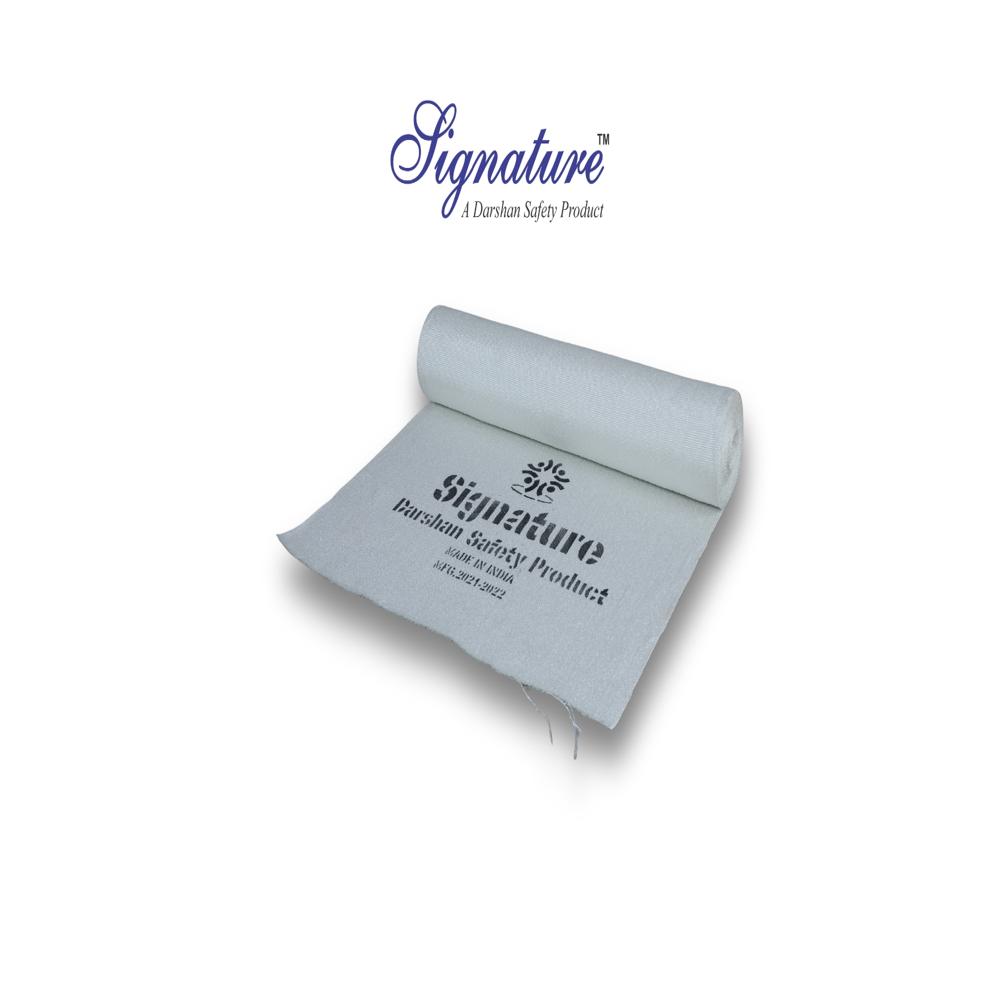
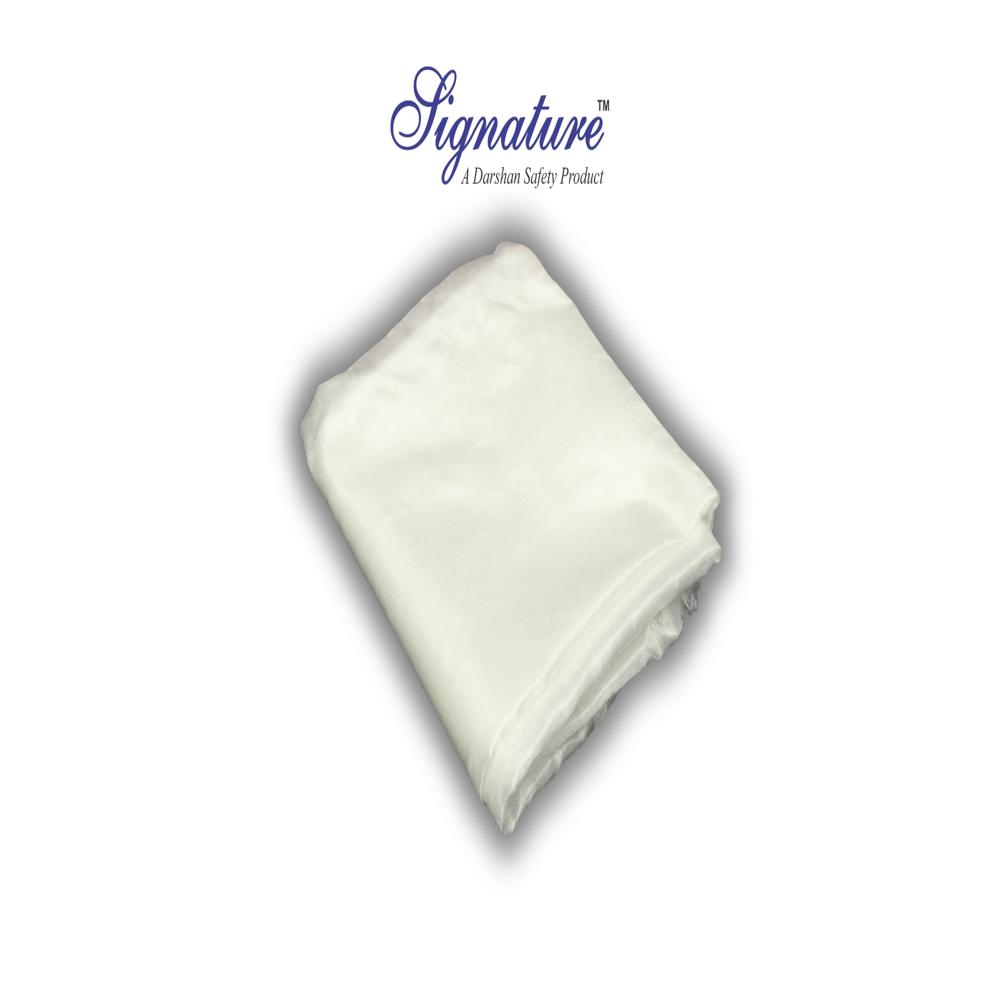
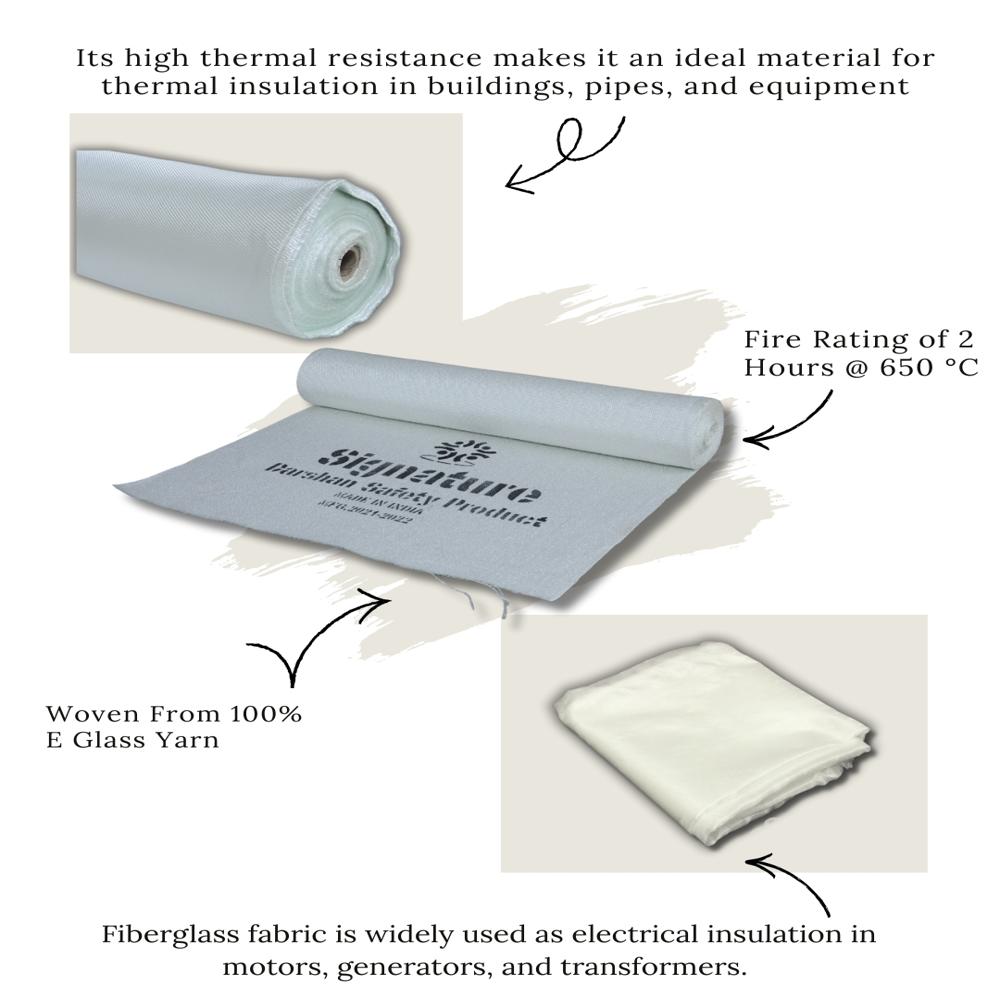
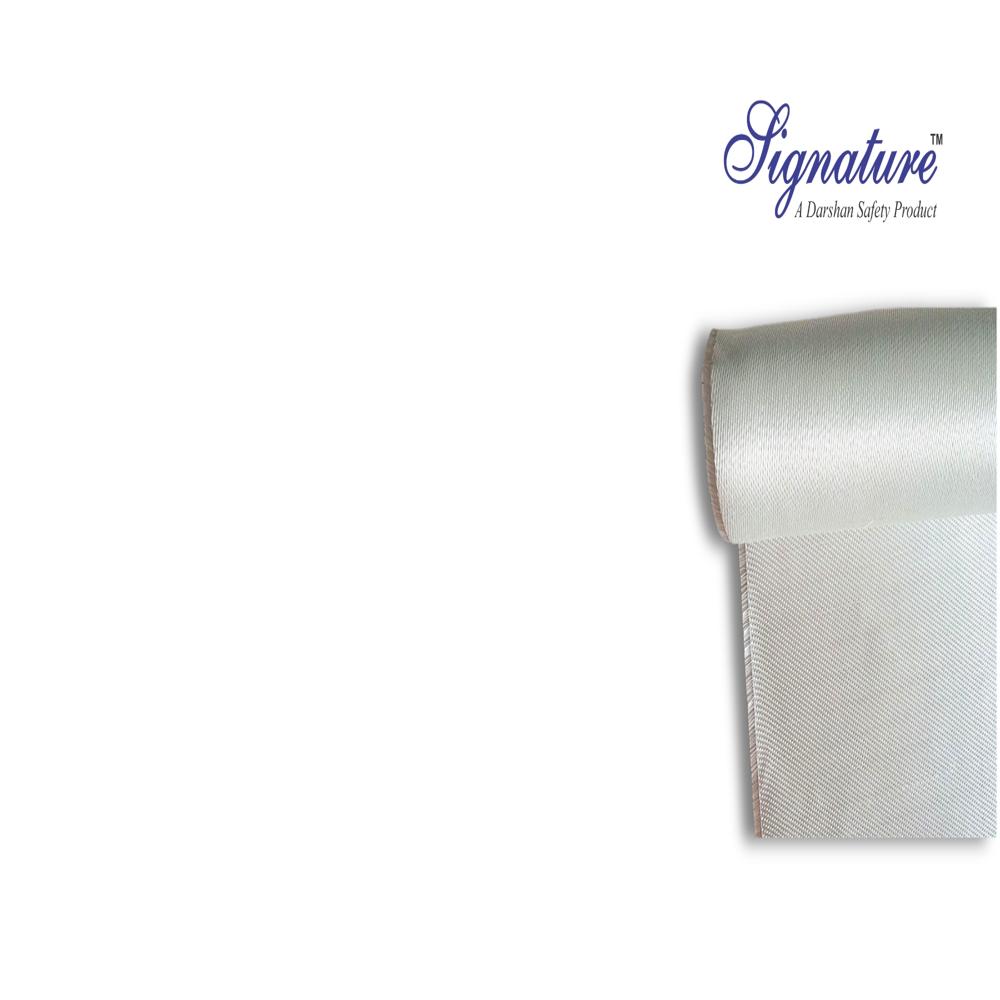
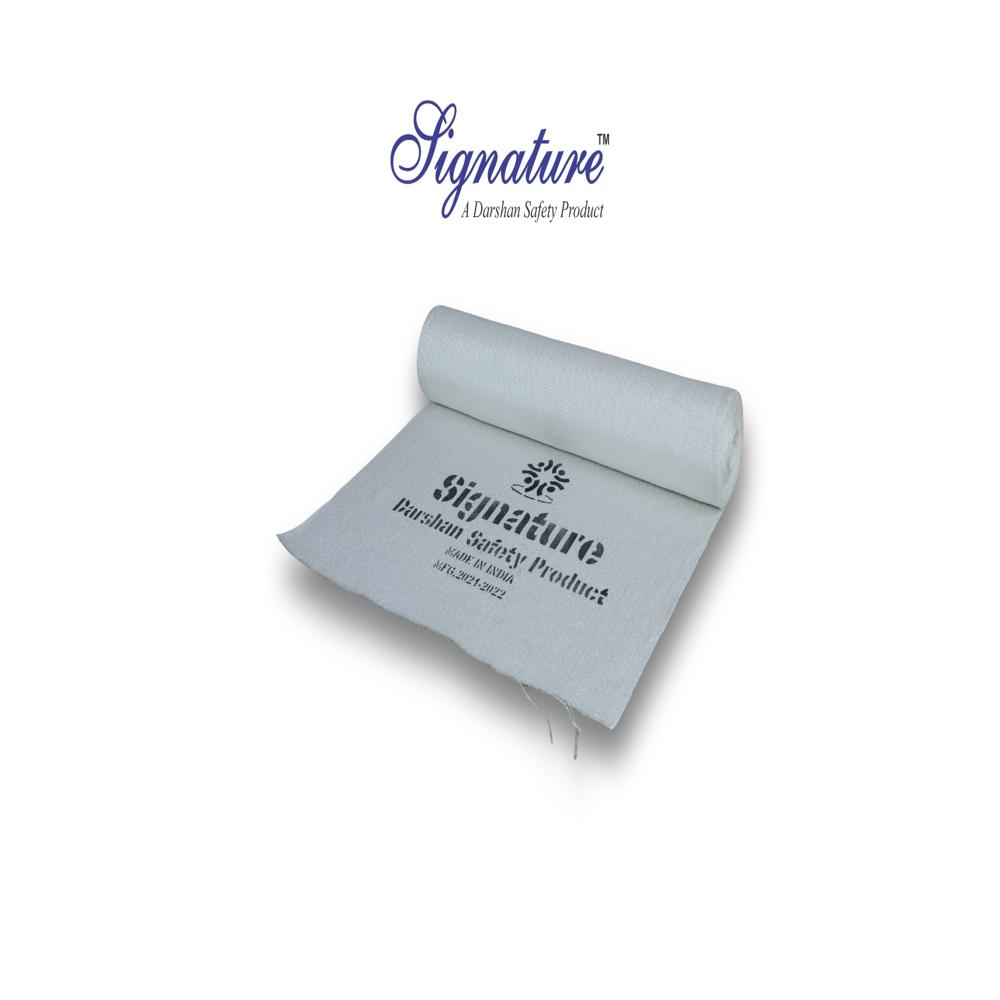
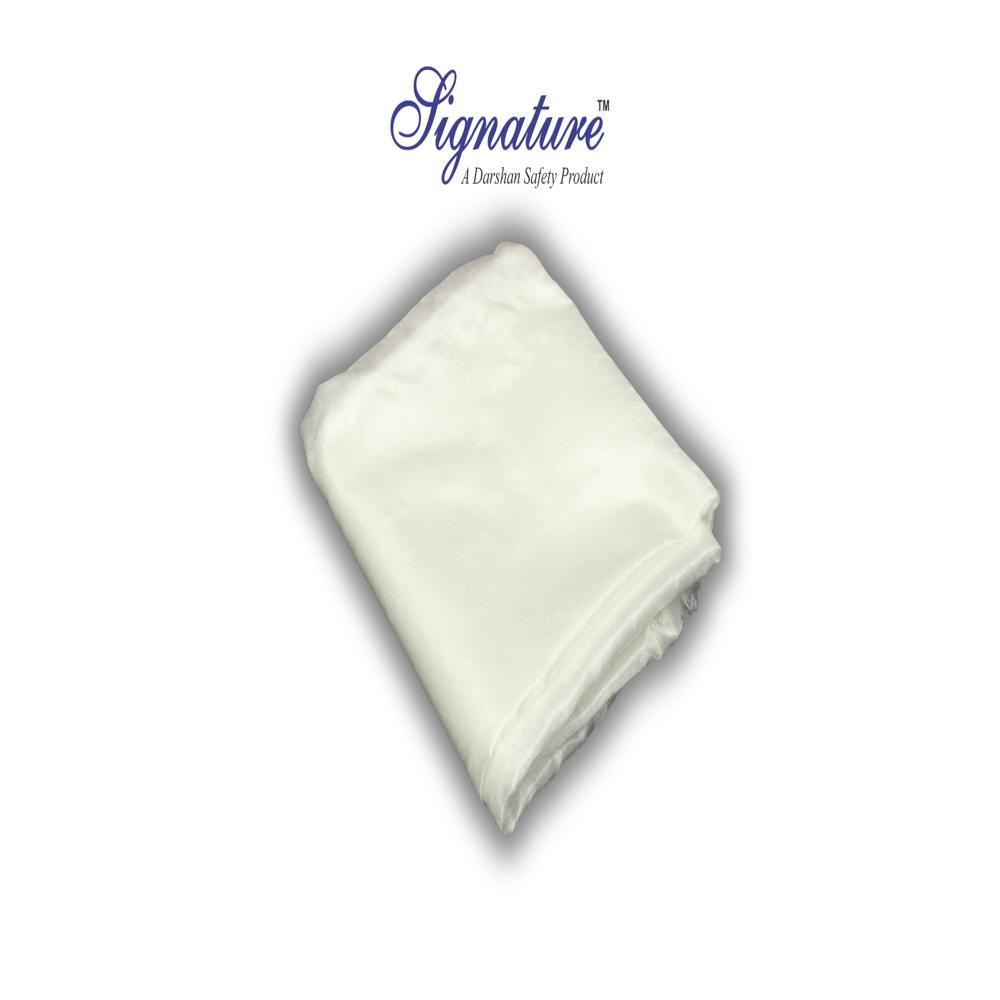
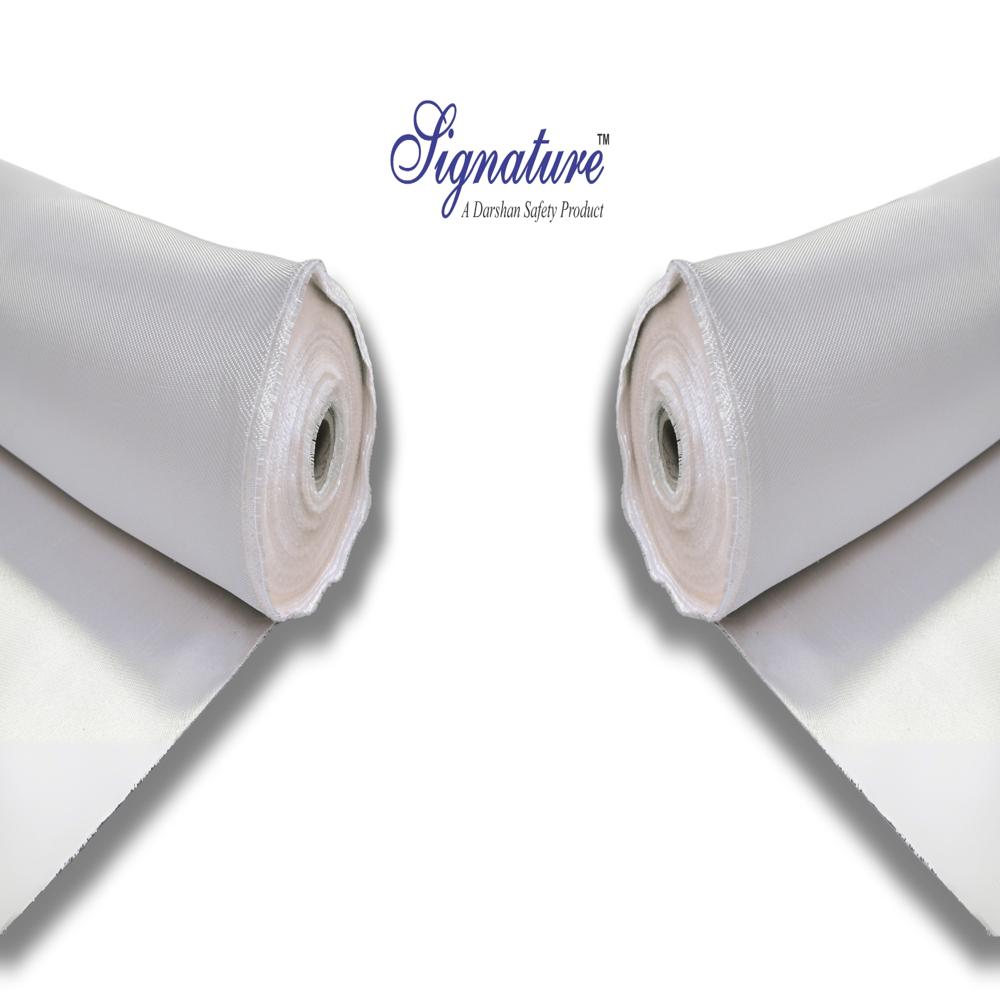
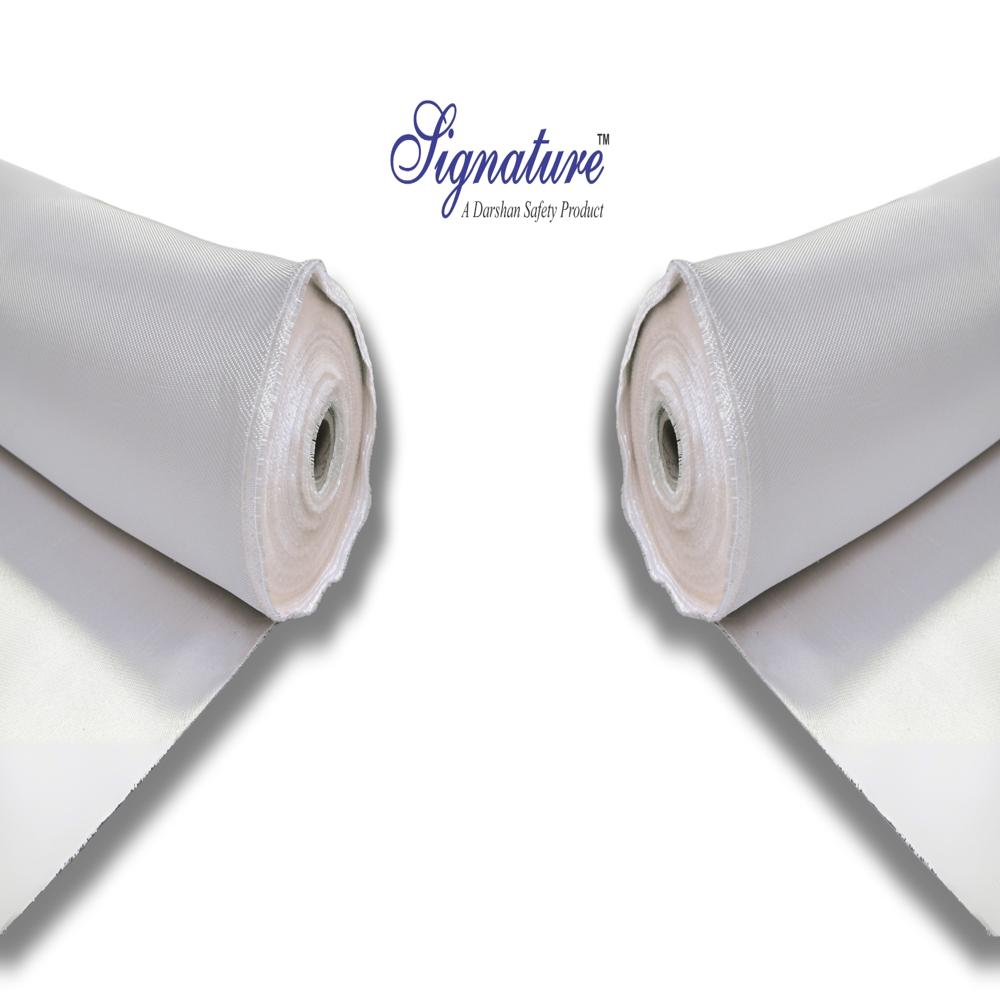
Fiberglass Fabric DSZFG0.6
Key Features
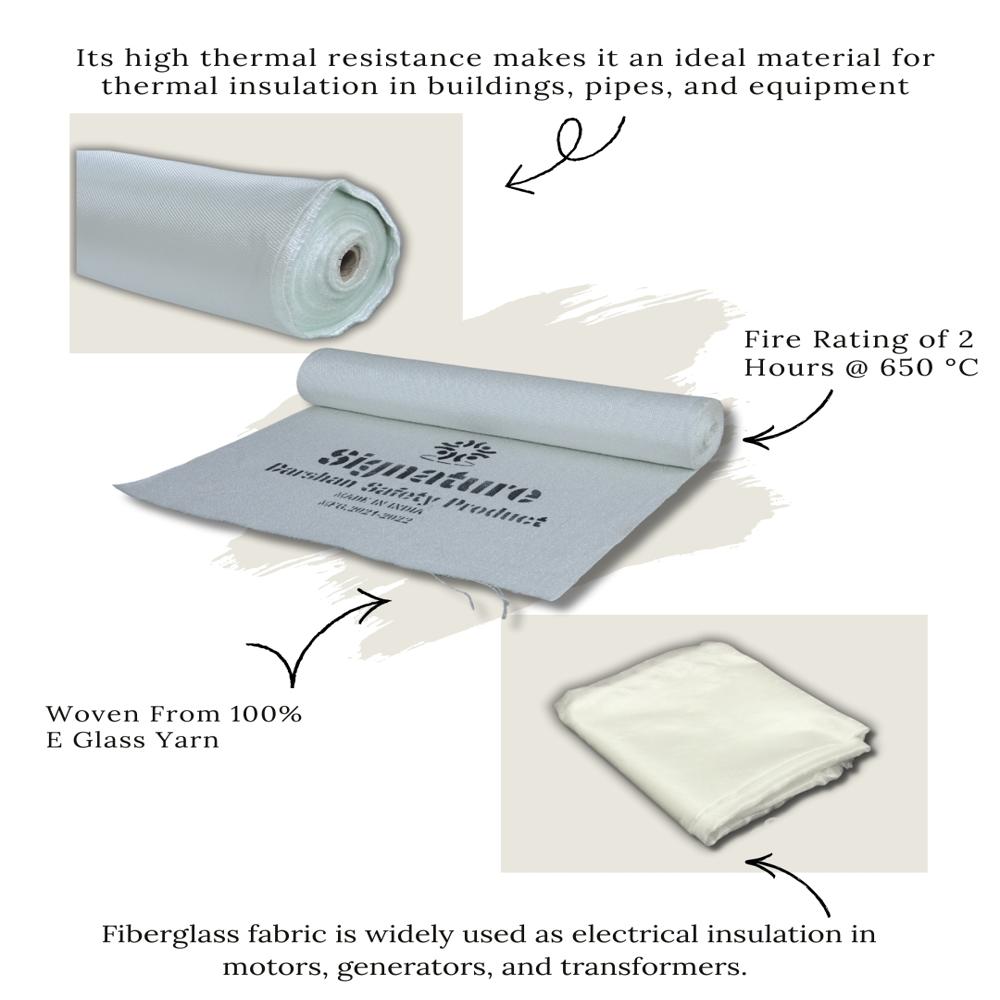
Woven from 100% E-glass yarn
Consists of extremely fine glass fibers for high surface area to weight ratio
Lightweight yet strong and durable
Resistant to chemical attack and corrosion
High thermal resistance and dimensional stability
Technical Specifications
Fire Rating 2 hours @ 650 C
Suitable for high-temperature and industrial applications
Applications
Electrical insulation in motors, generators, and transformers
Thermal insulation in buildings, pipes, and industrial equipment
Chemical-resistant fabric for chemical plants, laboratories, and industrial environments
Automotive components such as engine covers, fuel tanks, and body panels
Marine components including boat hulls, decks, and superstructures
Benefits
Provides reliable electrical and thermal insulation
Durable and resistant to harsh chemicals and high temperatures
Lightweight and versatile for multiple industrial applications
Enhances safety and performance in industrial and commercial environments
#FiberglassFabric #EFiberglass #ThermalInsulation #ElectricalInsulation #IndustrialSafety #DSZ
Exceptional Heat ResistanceEngineered to endure temperatures up to 650C, this fiberglass cloth is perfectly suited for applications requiring superior thermal stability. The sturdy E-Glass composition, combined with a silicone coating, provides enhanced durability, ensuring the material retains its integrity under intense heat. This makes the roll ideal for a range of industrial insulation and reinforcement projects in challenging environments.
Reliable Chemical ProtectionWith a silicone-coated surface, this fiberglass cloth roll offers formidable resistance to a wide variety of chemicals. Its specialized treatment shields against corrosive substances, making it suitable for use in labs, chemical plants, and industrial setups where exposure to harsh materials is common. The cloths robust design ensures longevity and continued protection in chemically aggressive settings.
FAQs of Fiber Glass Cloth Roll:
Q: How can this fiberglass cloth roll be used in industrial insulation?
A: This fiberglass cloth roll is engineered for high-performance insulation in industrial settings, including chemical plants and laboratories. Its high temperature resistance up to 650C and silicone-coated surface make it ideal for wrapping pipes, equipment, and structures requiring both thermal and chemical protection.
Q: What are the main benefits of the silicone-coated E-Glass material?
A: The silicone-coated E-Glass construction provides excellent durability, superior temperature resistance, and exceptional chemical protection. This ensures the fiberglass cloth roll is effective in harsh environments, prolongs material lifespan, and maintains insulation and reinforcement performance.
Q: When should I use this fiberglass cloth roll instead of traditional insulation materials?
A: Choose this fiberglass cloth roll when your application demands higher chemical resistance, superior heat tolerance (up to 650C), and minimal thermal conductivity. It is preferred in labs, chemical facilities, and places where standard insulation fails or degrades rapidly.
Q: Where can this product be applied within industrial setups?
A: This fiberglass cloth roll can be used for insulating equipment, piping, tanks, and ducts in chemical plants, laboratories, and manufacturing facilities. It is also ideal for reinforcement in areas exposed to high heat or corrosive chemicals.
Q: What is the process for installing or applying the fiberglass cloth roll?
A: To install, measure and cut the roll to the desired length, then wrap or lay it over the target surface. Secure it with appropriate fasteners or adhesives as required by the application. Always follow safety guidelines when working in hazardous environments.
Q: How does its low thermal conductivity benefit industrial applications?
A: The rolls minimal thermal conductivity (0 W/mK) means it provides outstanding heat insulation, significantly reducing heat transfer and energy costs. This property is valuable for maintaining stable process temperatures and safeguarding sensitive equipment from thermal damage.


 Send Inquiry

 Product Video




 English
 Spanish
 French
 German
 Italian
 Chinese (Simplified)
 Japanese
 Korean
 Arabic
 Portuguese


 Send Inquiry
 Send SMS
 Call Me Free